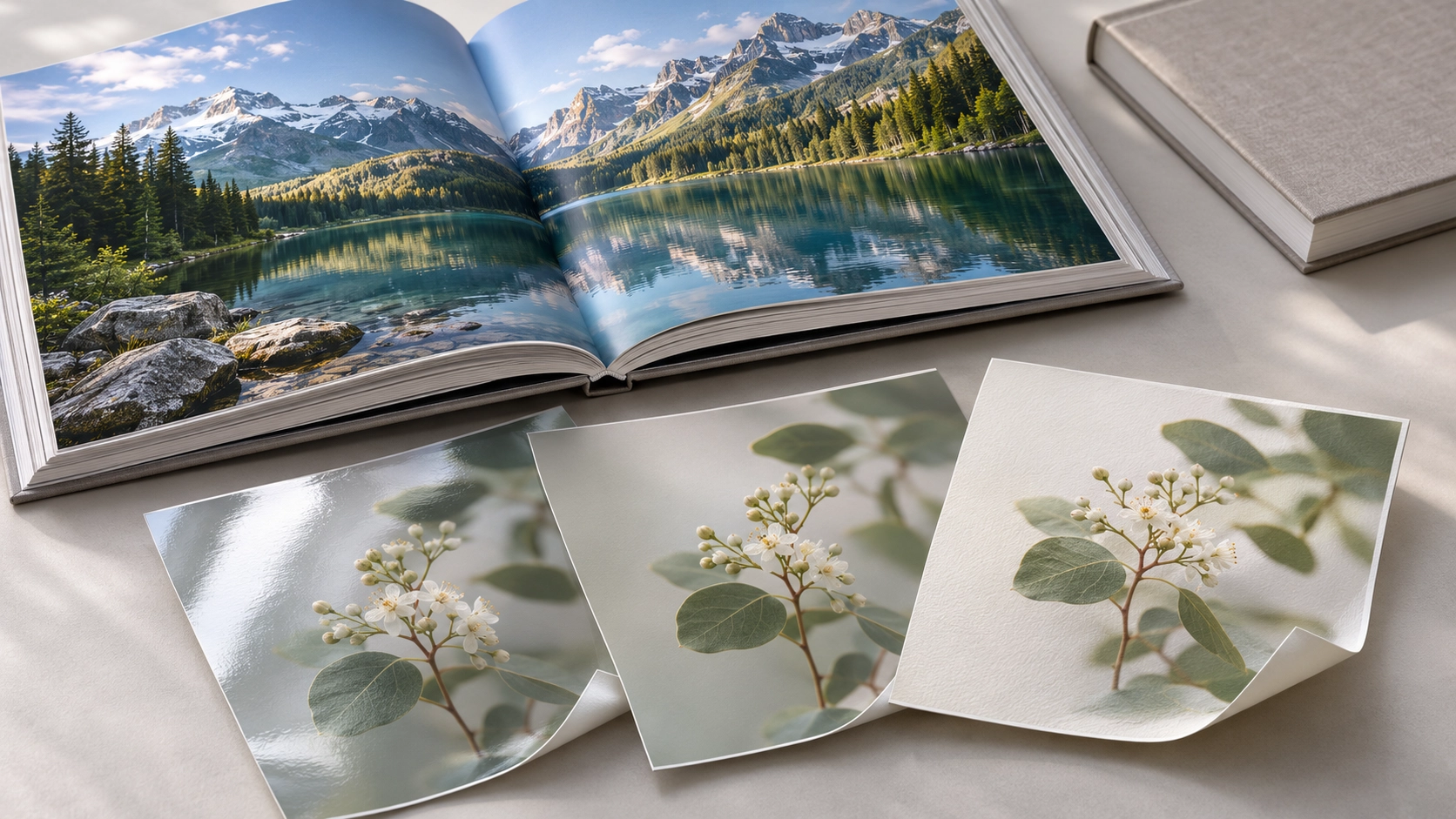
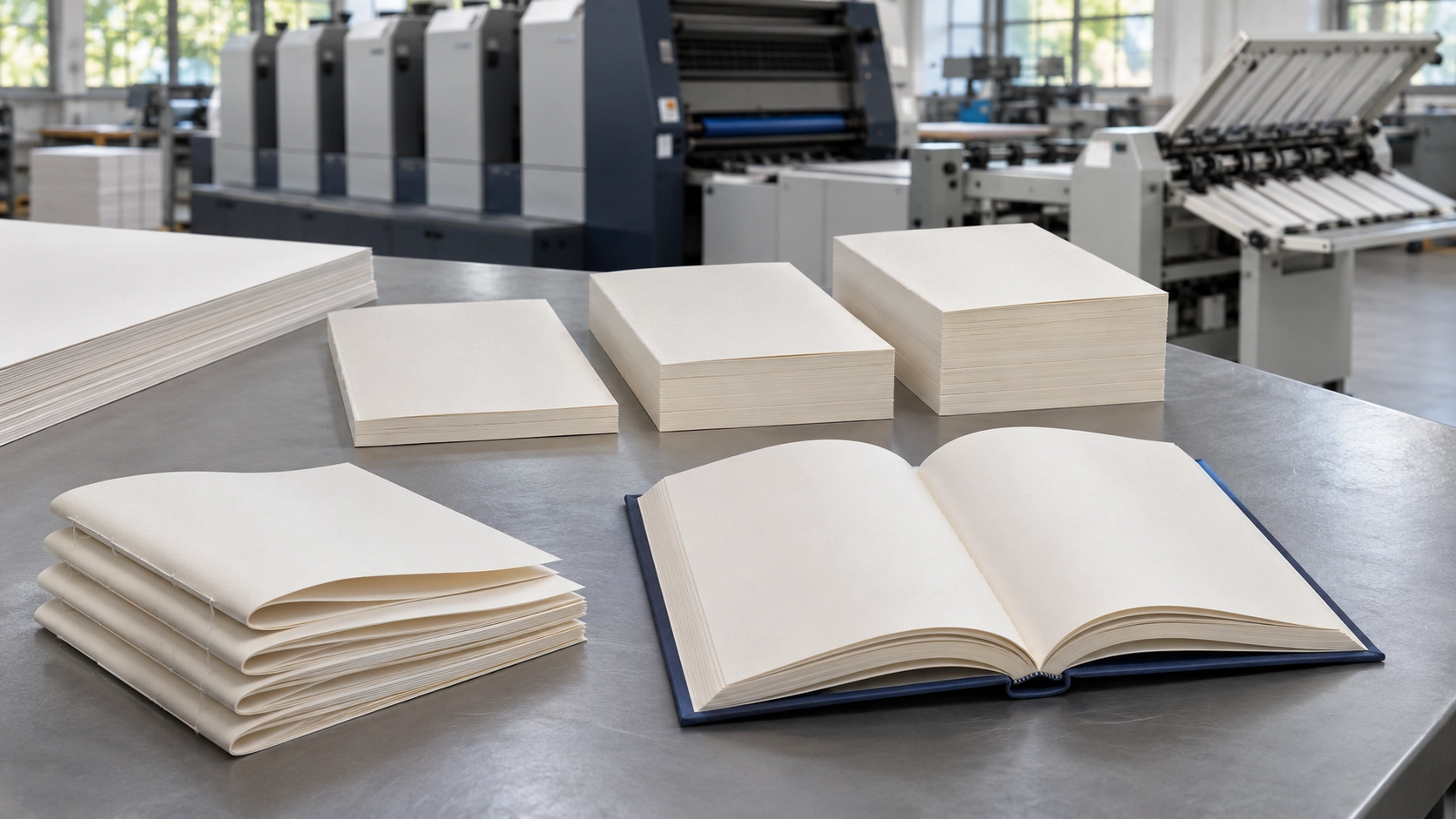
For many image-led coffee table books, silk or matte coated paper around 150–170 gsm is a useful starting point. Gloss coated paper suits projects that prioritize a reflective finish, while ...
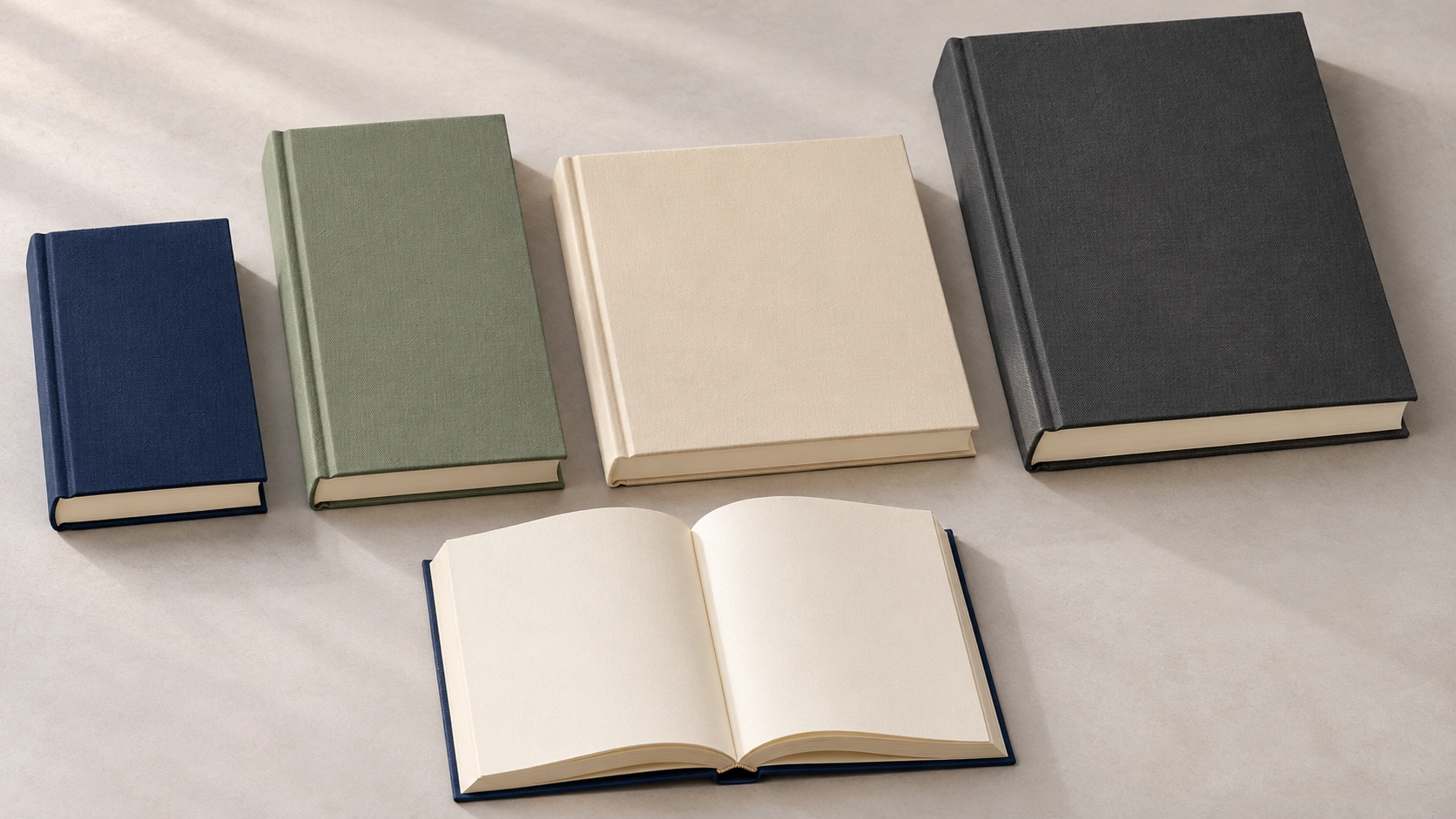
The trim size of a hardcover book will vary according to its contents, its readership, its page layout, its production and distribution costs. Always select a format that is appropriate ...
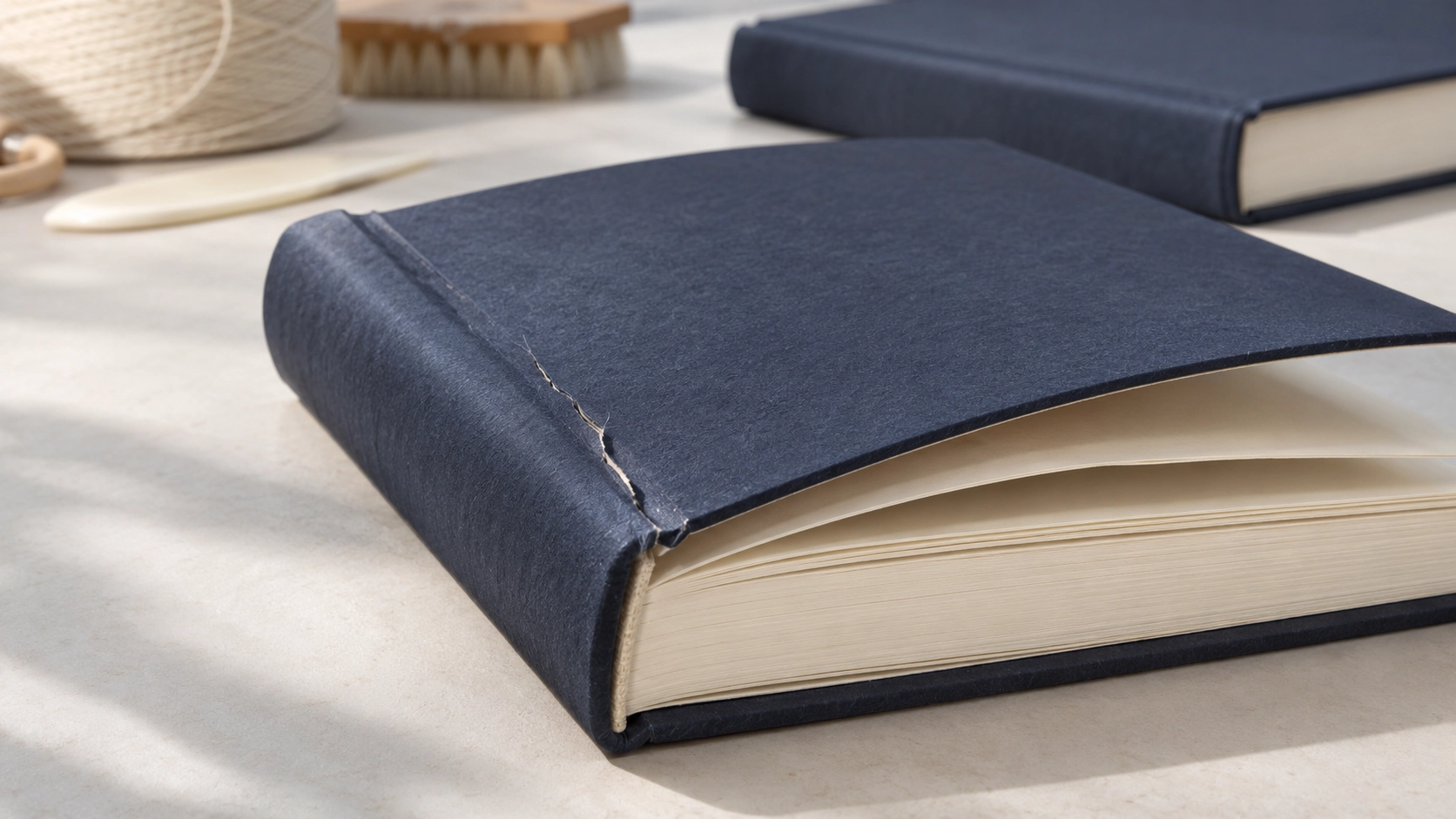
Hardcover book spines can crack when the cover material, hinges, or binding cannot flex properly during opening. Common contributors include unsuitable materials, incorrect grain direction, restrictive hinge construction, adhesive problems, ...
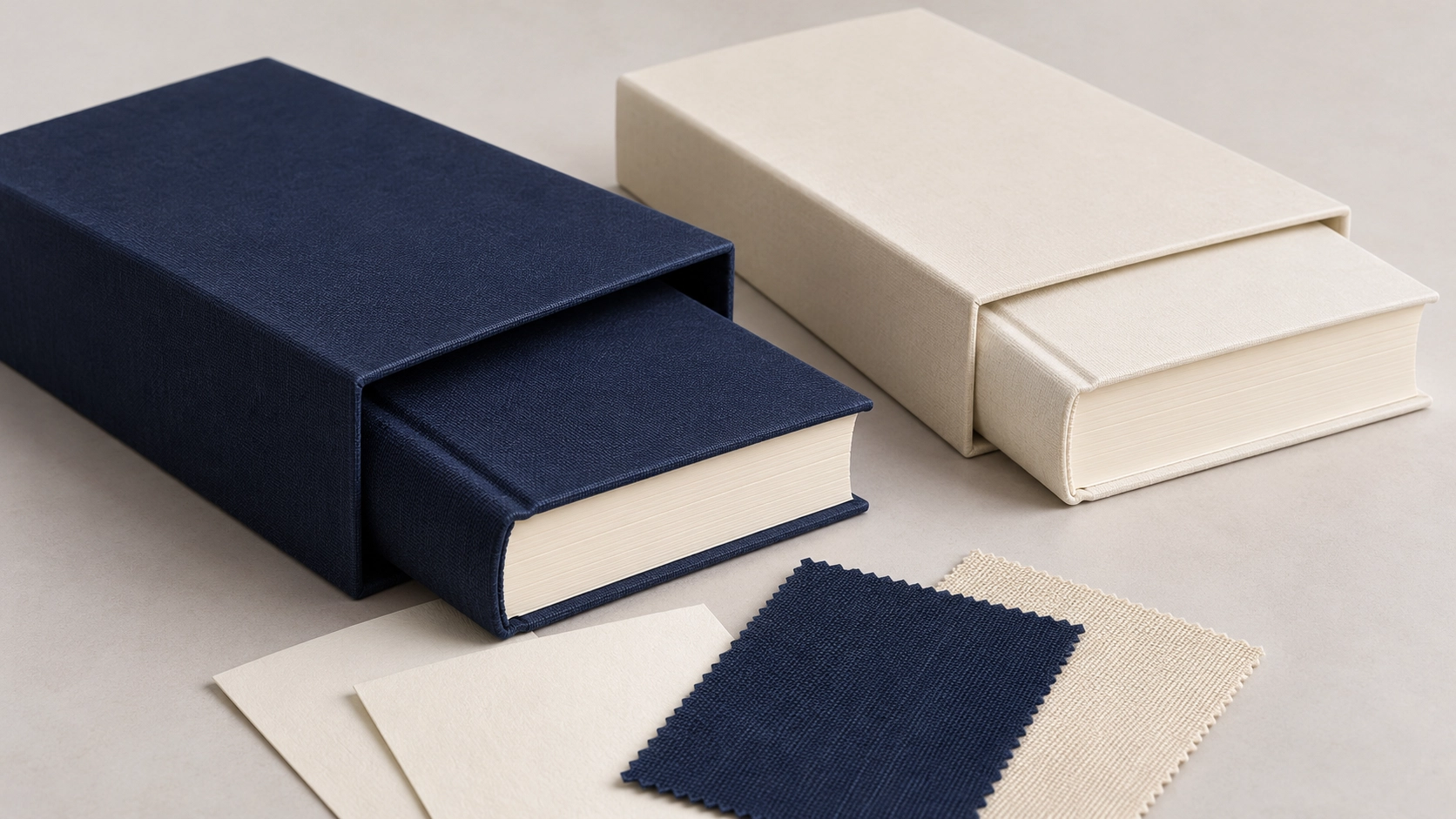
Printing hardcover books with a slipcase involves cost of book manufacture, cost of slipcase manufacture, assembling the book, proofing, and shipping. There is no universal price per copy that works ...
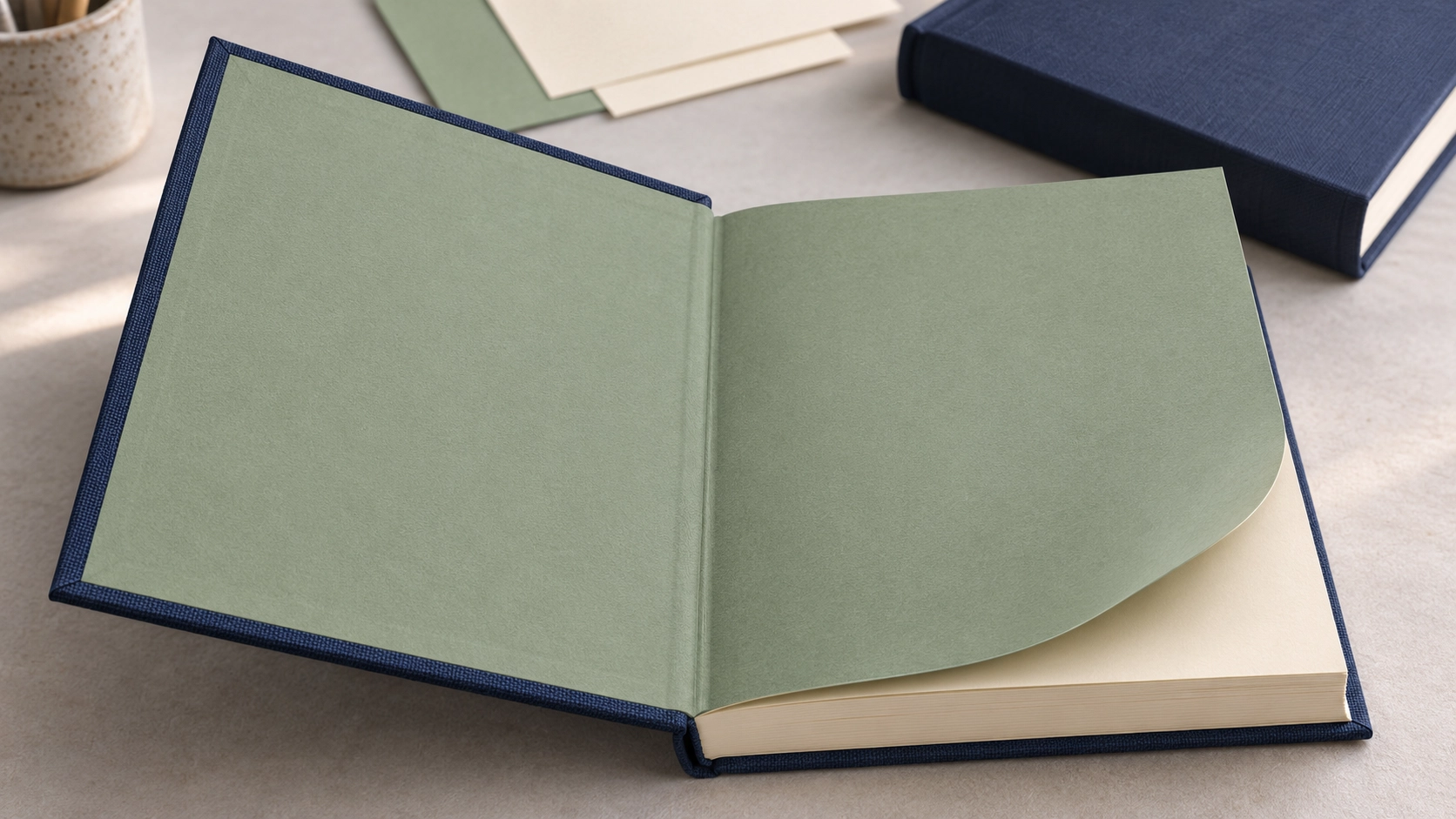
The pages at the beginning and end of a hardcover book, which are used to bind the book block to the cover, are called endpapers. One leaf is glued inside ...
In the printed case hardcover books, artwork is printed on material permanently wrapped around the rigid cover boards. Dust jacket hardcovers are wrapped in a printed wrapper that is removable ...
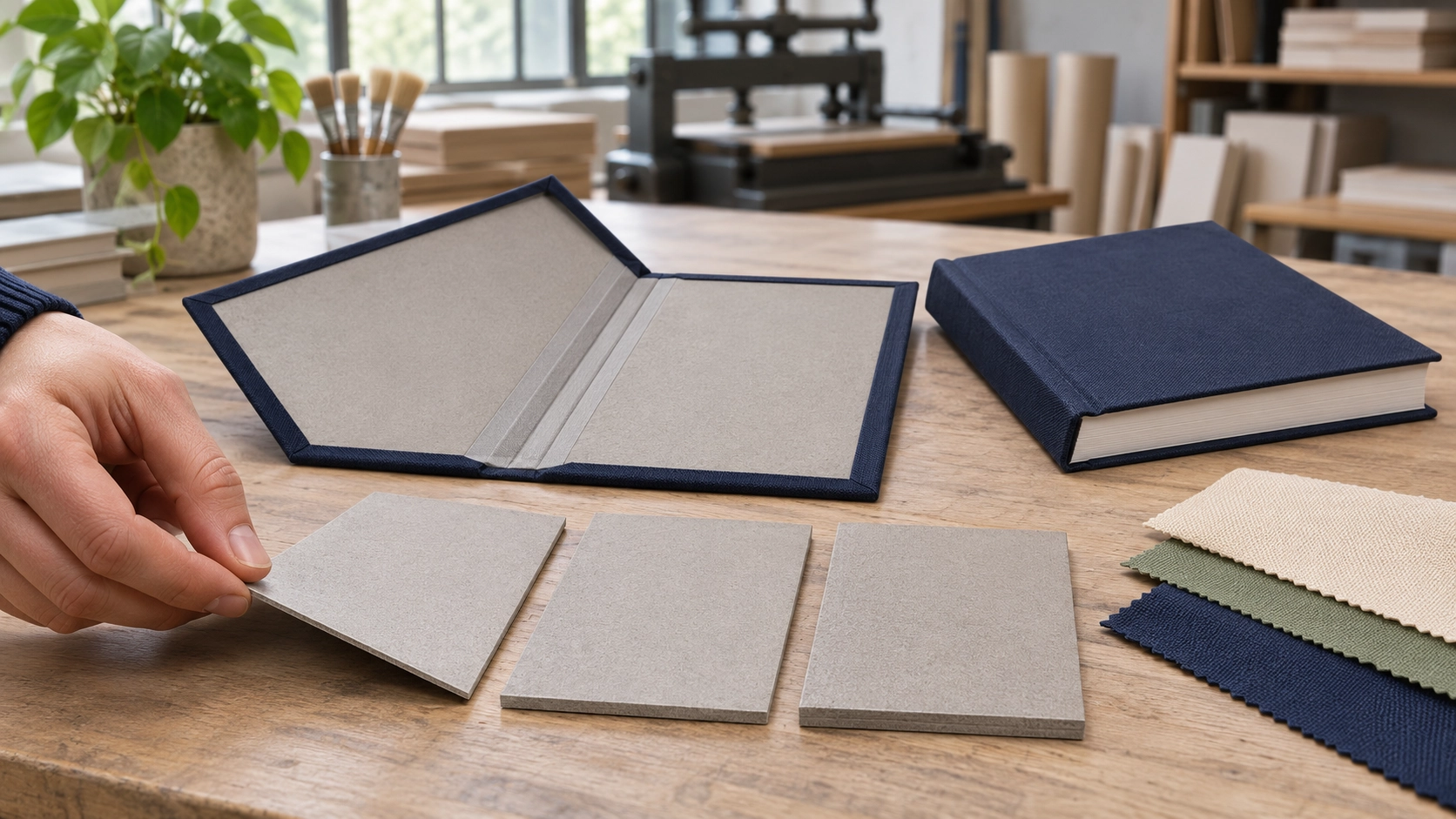
The recommended thickness of the board in hardcover books is determined by the finished size, the weight of the book, the cover materials, and the intended use of the book. ...
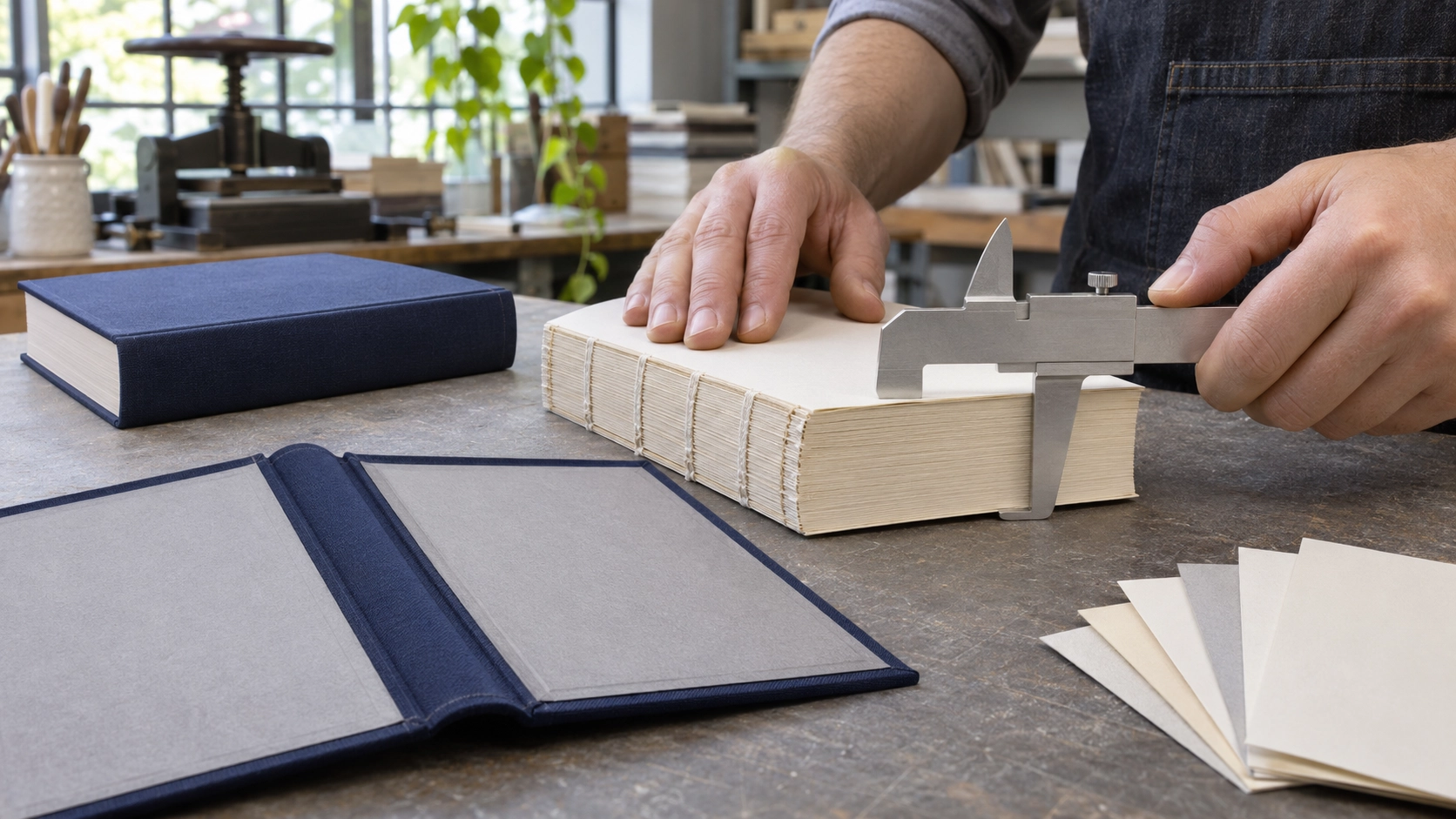
Hardcover book spine width is estimated by finding the thickness of the book block (inner pages) by dividing the number of pages by two and multiplying by the thickness of ...
The number of pages impacts offset book printing cost in various ways, such as paper usage, print quantities, folding, binding, finished weight, and packaging. The more pages you have, the ...
This site is protected by CAlMEl and the Privacy Policy and Terms of Service apply.
Submission completes automatic download