

What Paper Is Best for Coffee Table Book Printing?
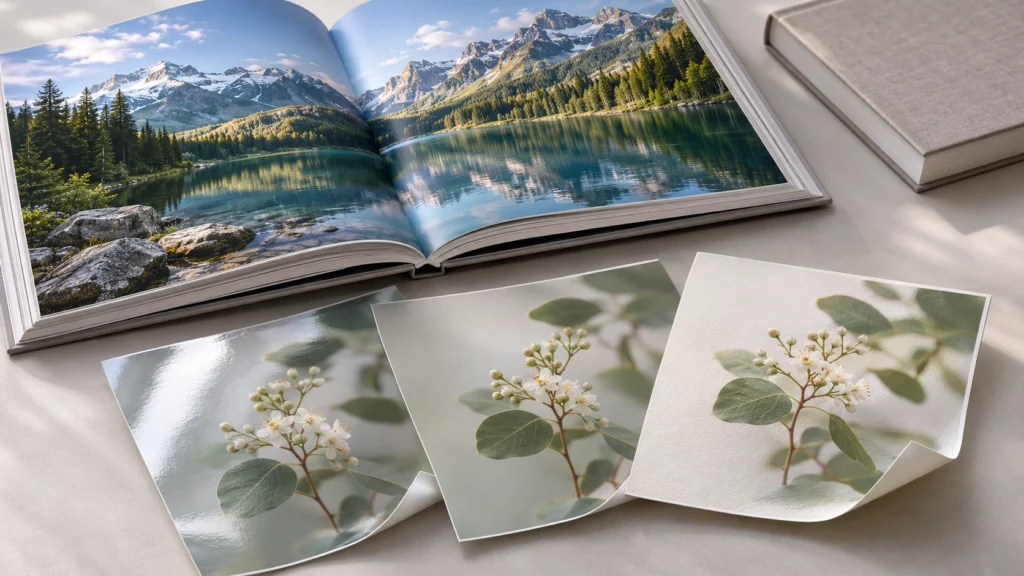
For many image-led coffee table books, silk or matte coated paper around 150–170 gsm is a useful starting point. Gloss coated paper suits projects that prioritize a reflective finish, while premium uncoated paper can support a softer, more tactile presentation.
The best choice depends on your photographs, page count, trim size, binding, and intended reading experience. Heavier paper is not automatically better, and an expensive stock will not rescue poorly prepared images.
Before ordering, compare actual printed samples. Paper is something readers see, touch, and turn—so it deserves more attention than a single line in your quotation.
Start with the Images and Reading Experience
You might need different paper for a landscape photography book, an architecture collection and an illustrated brand history.
If the images are detailed, smooth coated stock should be tried. In artworks in which texture is part of the presentation, an uncoated sheet might be suitable. Long essays and images will also be needed for books to be readable comfortably.
Consider the context in which readers will use the book. Overhead lighting can reflect bright light onto the image to cause unwanted glare, particularly over dark images.
Select a few representative spreads prior to evaluating stocks. Add detail, depth of light, pale backgrounds and captions. Your most challenging photos will show a difference better than the easiest, brightly colored photo.
Compare Coated and Uncoated Paper
The first decision is usually the surface.
Coated papers have a treated surface that influences ink behavior and image reproduction. Uncoated papers offer a different feel and printed appearance. Neither category guarantees quality by itself.
| Paper finish | Typical visual character | What to evaluate |
|---|---|---|
| Gloss coated | Reflective surface with strong image impact | Glare under normal lighting |
| Silk or satin coated | Moderate sheen and smooth texture | Balance between images and text |
| Matte coated | Subdued surface reflection | Shadow detail and handling marks |
| Smooth uncoated | Natural feel and softer printed appearance | Color reproduction and opacity |
| Textured uncoated | Noticeable tactile character | Whether texture obscures fine detail |
Finish names vary between manufacturers. One supplier’s “matte” may look closer to another supplier’s “silk.” Request the exact stock name and a physical sample.
What Paper Weight Should You Choose?
Paper weight, expressed in grams per square meter, describes mass per area. It does not directly tell you thickness, stiffness, or opacity.
For publishers planning custom hardcover book printing, the following ranges provide useful sampling options rather than fixed rules.
| Illustrative weight range | Where it may work | Main consideration |
|---|---|---|
| 115–140 gsm | Longer illustrated books | Check opacity and page feel |
| 150–170 gsm | Many photography and design books | Balance weight, flexibility, and substance |
| 180–200 gsm | Shorter editions with substantial pages | Confirm folding and opening behavior |
A 300-page book on heavy stock can become surprisingly cumbersome. Meanwhile, a lighter paper with suitable opacity and bulk may deliver a convincing result.
Ask for a bound dummy before deciding. Loose sheets cannot show how the complete book will handle.
Look Beyond GSM: Opacity, Bulk, and Shade
There are three other subtler properties that are worth considering.
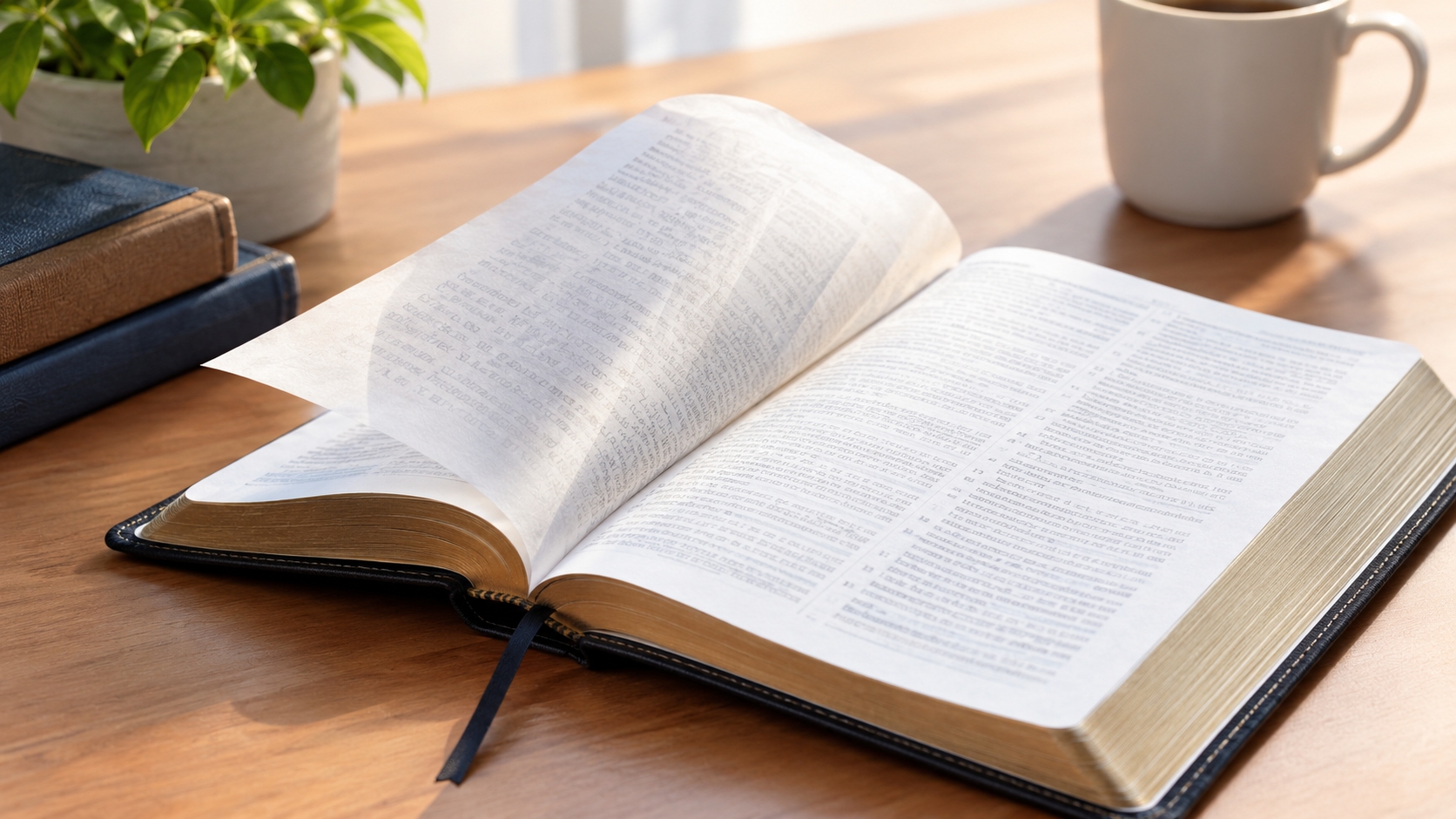
Opacity refers to the amount of printing that can be seen through the paper on the back. This is important if a dark photo is behind a light photo, or a page with small text.
Bulk means the size of a paper compared to its weight. The gsm of two papers can have different thickness of book, which can impact the book spine, cover template, and packaging.
The effect of shade on the printed image. There is no stand-in for a warm sheet and a cooler white sheet.
Test such of these properties with the actual proposed stock. It is too general to use “Premium white paper” as a production spec.
Match Paper to the Binding
Coffee Table books tend to have large pages, abundant ink and page count. Paper and binding should, therefore, be considered together.
The stiff sheet may cause difficulty in turning pages, especially in smaller sizes. The orientation of the grains, the folding and the construction of the binding also have an impact on the ease of spread.
Be careful – not everything is suitable for sewn binding.
If images do cross the gutter, discuss how this could make it hard to see detail. Avoid putting faces, small captions or key elements into the areas damaged by the binding.
Consider the Complete Edition
Interior paper affects more than the pages themselves. It changes finished weight, thickness, case dimensions, and shipping requirements.
For a hardcover book with a slipcase, finalize the stock before approving the slipcase dimensions. A late substitution can alter the fit.
Publishers producing a companion edition of perfect-bound paperback books should assess paper separately for that format. The same stock may behave differently with another cover and binding construction.
Approve Printed Samples Before Production
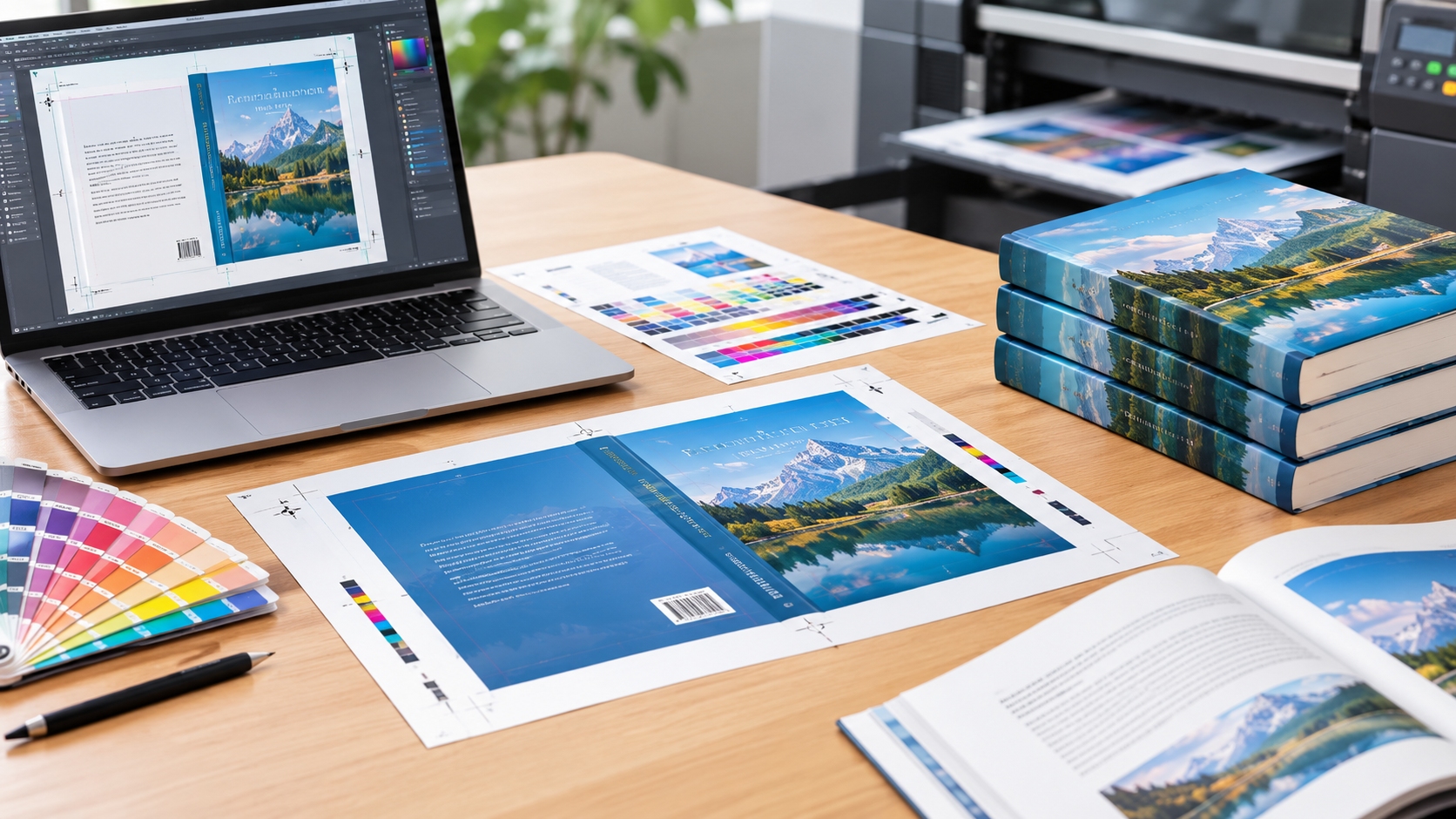
Handling and thickness are checked by a blank dummy. A printout proof addresses other issues.
Ensure that the proof is the desired paper, printing process and surface treatment. A digital proof of an offset production result cannot be as fully convincing as a proof on substitute stock.
Compare representative pictures with the same light source. Check for shadow detail, neutral tones, small text, reverse side visibility and scuffing of the surface.
Then write down the approved stock, grammage, finish and any acceptable substitutions.
Frequently Asked Questions
Is matte paper best for photography books?
It can be a strong choice when reduced surface reflection matters. Compare it with silk and gloss using your own images.
Does gloss paper always produce better colors?
No. Results depend on the specific stock, image preparation, printing process, and production control.
Is 200 gsm too heavy for a coffee table book?
Not necessarily. It may suit a shorter edition, but a long book could become bulky and difficult to handle.
Can uncoated paper reproduce photographs well?
Yes, with suitable stock and image preparation. Expect a different appearance and approve representative printed samples.
Are silk and satin paper identical?
Not always. These terms can overlap, but manufacturers use different naming systems. Compare actual products.
Should endpapers use the same paper as the interior?
They do not have to. Endpapers have structural and visual requirements that should be assessed with the binding.
Will heavier paper prevent show-through?
It may help, but opacity also depends on the paper’s composition. Evaluate the stock rather than relying on gsm alone.
What should I send when requesting a paper recommendation?
Provide trim size, page count, quantity, binding, sample spreads, intended use, and delivery requirements. Request two or three specific stock options.
Paper-property references checked separately from the article: coated finishes, shade, opacity, and image reproduction.
Share on Social:


- PREV: How to Choose the Best Trim Size for Hardcover Books?
- NEXT: Null


