

How Much Does It Cost to Print Hardcover Books with a Slipcase?
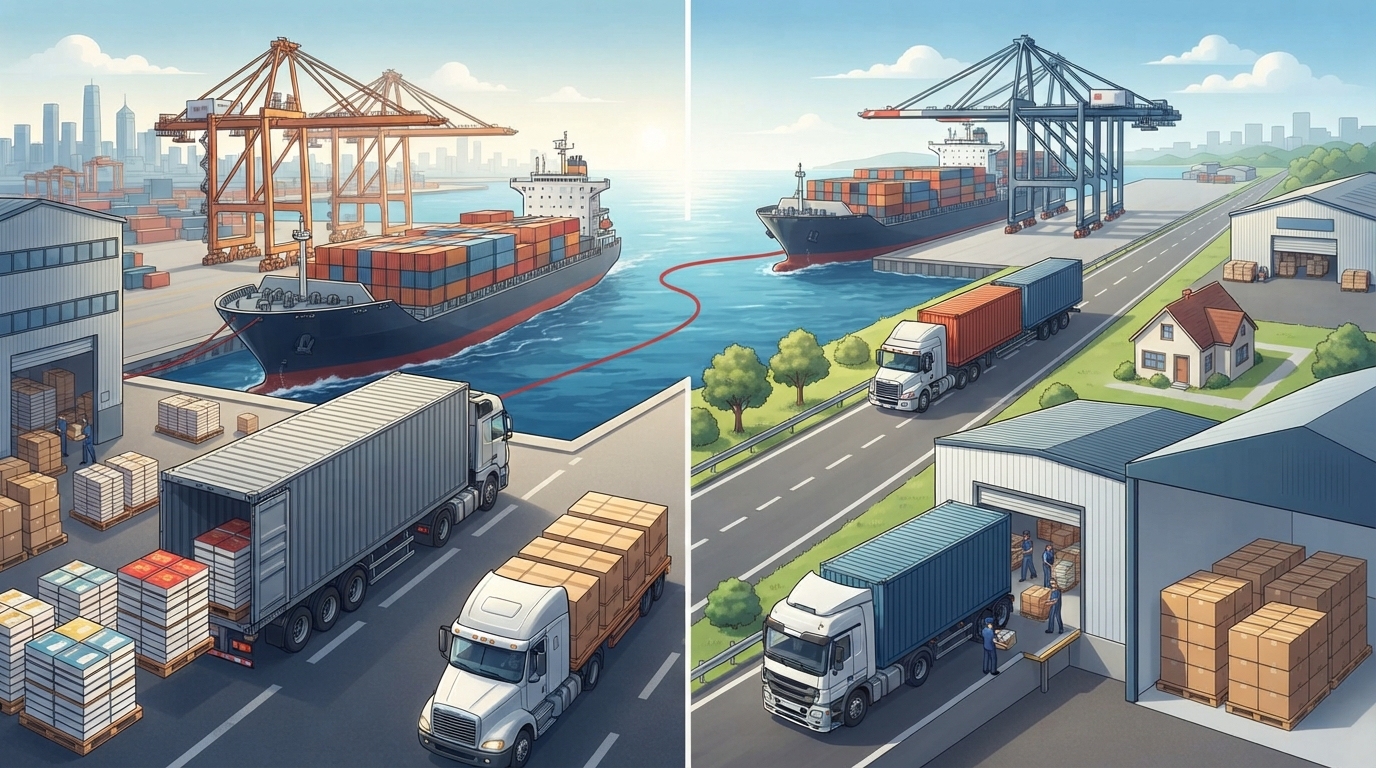
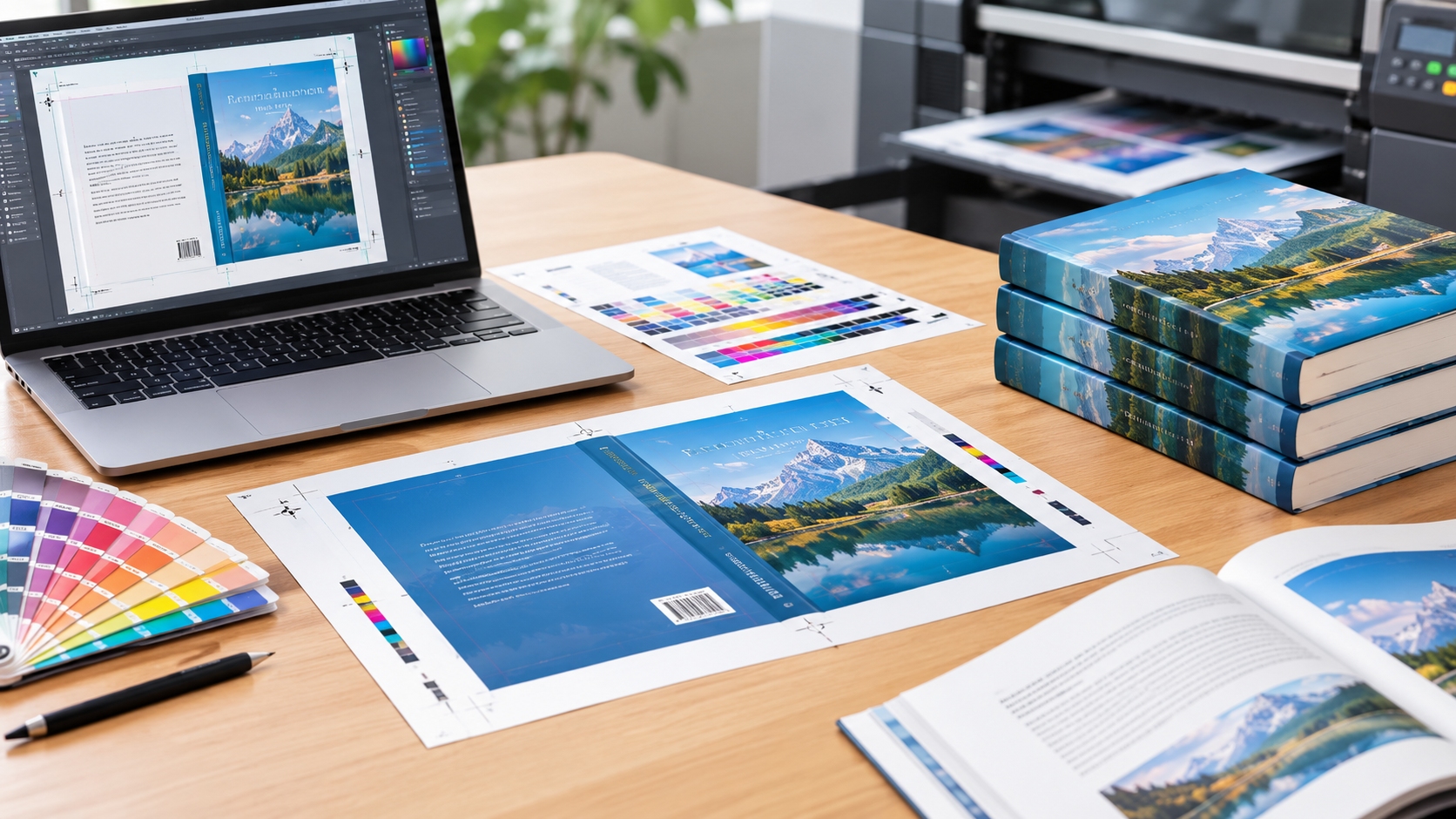

Printing hardcover books with a slipcase involves cost of book manufacture, cost of slipcase manufacture, assembling the book, proofing, and shipping. There is no universal price per copy that works for all types of books. A small novel in a simple slipcase is a different project from a large colour art book, with cloth binding and foil stamping.
The question that publishers will want to ask is, “What does that price cover?”
An entire quotation should include book specifications, slipcase construction, order quantity, packaging, and shipping terms. Here are some tips on how to construct a budget and compare offers without missing out on the costly details.
Why Does a Slipcase Add to the Cost?
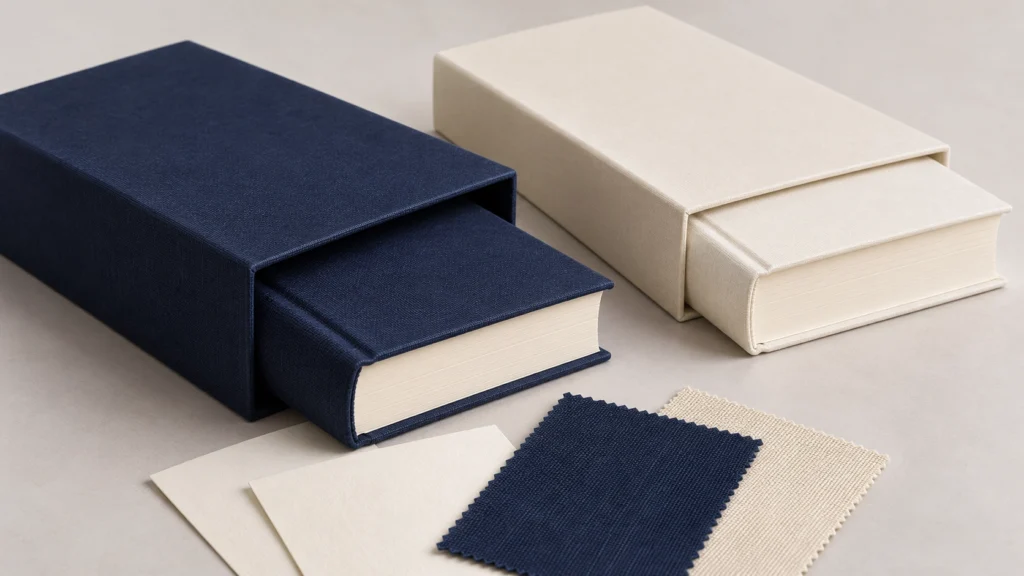
A slipcase is a separate manufactured component. It requires material, cutting, wrapping, gluing, and inspection. Its fit must also be checked against the finished book.
Unlike a flexible dust jacket, a rigid slipcase needs enough clearance for comfortable removal while holding the book securely. Premium wrapping and additional decoration introduce further production steps.
These extra materials and operations explain why a slipcase increases manufacturing costs.
When requesting a hardcover book with a slipcase, ask for separate book and slipcase prices. You’ll see where your budget goes.
What Determines the Hardcover Book Price?
Set the book specification before you begin to compare the slipcase options.
Production involves print size, number of pages, paper, color printing, and binding. Any changes in these will also alter the final thickness (and corresponding slipcase dimensions).
| Cost driver | How it affects the project | What to specify |
|---|---|---|
| Trim size | Changes paper use and case dimensions | Finished width and height |
| Page count | Changes printing, binding, and thickness | Interior pages and separate endpapers |
| Paper stock | Affects material cost, weight, and bulk | Stock, grammage, and finish |
| Printing | Changes press requirements | Black-only or color interiors |
| Binding | Changes construction and labor | Agreed binding method |
| Order quantity | Spreads setup costs across copies | Several realistic quantities |
Lock these details before approving slipcase tooling. Otherwise, a late paper change could leave the approved case too tight.
Which Slipcase Features Affect Price?
First think of the construction, then the decoration.
Printed paper wrap is ideal for illustrations and branding. The feel of cloth is different from that of specialty materials, which can include extra processing and buying needs.
The thickness of the board should be appropriate for the book that is being enclosed. When it comes to the board, thicker isn’t always better when it comes to addressing all structural problems.
| Slipcase choice | Budget consideration | Practical question |
|---|---|---|
| Printed paper wrap | Printing and surface finishing | Which protective finish is included? |
| Cloth covering | Material and wrapping requirements | Is the selected cloth readily available? |
| Foil stamping | Tooling and production operations | How many colors and positions? |
| Interior lining | Additional material and assembly | Is lining necessary for this edition? |
| Multiple-book format | Larger structure and fit checks | Will all finished volumes be tested together? |
Choose features readers will notice. One well-positioned foil detail may contribute more than several competing finishes.
A Sample Budget for 1,000 Copies
The following figures are hypothetical arithmetic examples, not current market prices or a CAIMEI quotation. They show how to organize a supplier’s figures.
Assume an order of 1,000 identical hardcover books, each supplied in an individual rigid slipcase.
| Budget item | Illustrative total |
|---|---|
| Hardcover book production | $6,000 |
| Slipcase production | $2,000 |
| Proofing and setup | $400 |
| Protective packing and assembly | $600 |
| Freight and destination charges | $1,500 |
| Example total | $10,500 |
In this example:
Cost per delivered set = $10,500 ÷ 1,000 = $10.50
Actual quotations may differ substantially. Taxes, duties where applicable, storage, and onward fulfillment must be added if they are outside the supplier’s scope.
Always check whether setup charges are already included before adding them again.
Does Ordering More Copies Reduce the Unit Cost?
A larger offset printing run can spread fixed setup costs across more copies. However, the total purchase still increases, and additional inventory needs storage.
Request prices for quantities you could realistically sell—for example, 500, 1,000, and 2,000 sets.
Compare the extra cash required with expected demand. A lower unit price offers little comfort if unsold editions occupy your warehouse for years.
For custom hardcover book printing, request the same specification at each quantity so the comparison remains meaningful.
How Can Publishers Reduce Costs Sensibly?
Start with too many complications.
When suitable, adopt one slipcase design for the whole edition. Do they need to change the trim size to make the production more effective? Know how to compare regular wrapping materials to specialty ones; ask separate costs for optional finishes.
Consider leaving the slipcase for a smaller collector’s edition and provide perfect-bound paperback books for the “standard” edition.
Don’t cut corners when it comes to protection for the sake of hitting a price target. The value of the edition could be jeopardized by scratched cases, crushed corners and book removal that is difficult.
What Should a Complete Quotation Include?
Inquire from suppliers about the dimensions of the book, number of pages, stock, binding, cover materials, and end papers. Board thickness, wrapping, lining, decoration and number of books in slipcase should be described in the slipcase specification.
Then confirm the assembly, the individual protection, the carton packing, the sample charges, the scope of shipping, the payment terms and the validity of the quotation.
Sanction a physical fit sample prior to mass production. If substitutes are used, determine what has not been verified.
Frequently Asked Questions
Is the slipcase usually included in hardcover printing prices?
Do not assume so. Ask whether the quotation covers the complete assembled set or the book alone.
Can I estimate cost from page count alone?
No. Page count matters, but size, paper, printing, binding, quantity, and slipcase construction also affect the quotation.
Is a printed paper slipcase cheaper than cloth?
It may be, but material selection, quantity, finishing, and construction can change the comparison. Request both options.
Can one slipcase hold several books?
Yes. Quote the complete set and test the fit using all finished volumes together.
Do samples add to the budget?
They can. Confirm sample production, delivery charges, and whether any fees are credited against the order.
Does adding a slipcase increase shipping costs?
It can increase packed weight and volume. Request carton dimensions and gross weights for a meaningful freight comparison.
Should I approve the slipcase before the book?
Approve its final dimensions against the agreed finished book construction. An early design sample alone cannot confirm production fit.
What is the best way to get an accurate price?
Submit a complete specification, request itemized options, and compare quotations on the same delivery basis. This makes the final cost much easier to assess.
Share on Social:


- PREV: What Are Endpapers in Hardcover Book Printing?
- NEXT: Null


