

What Paper Weight Is Best for Children’s Picture Books?
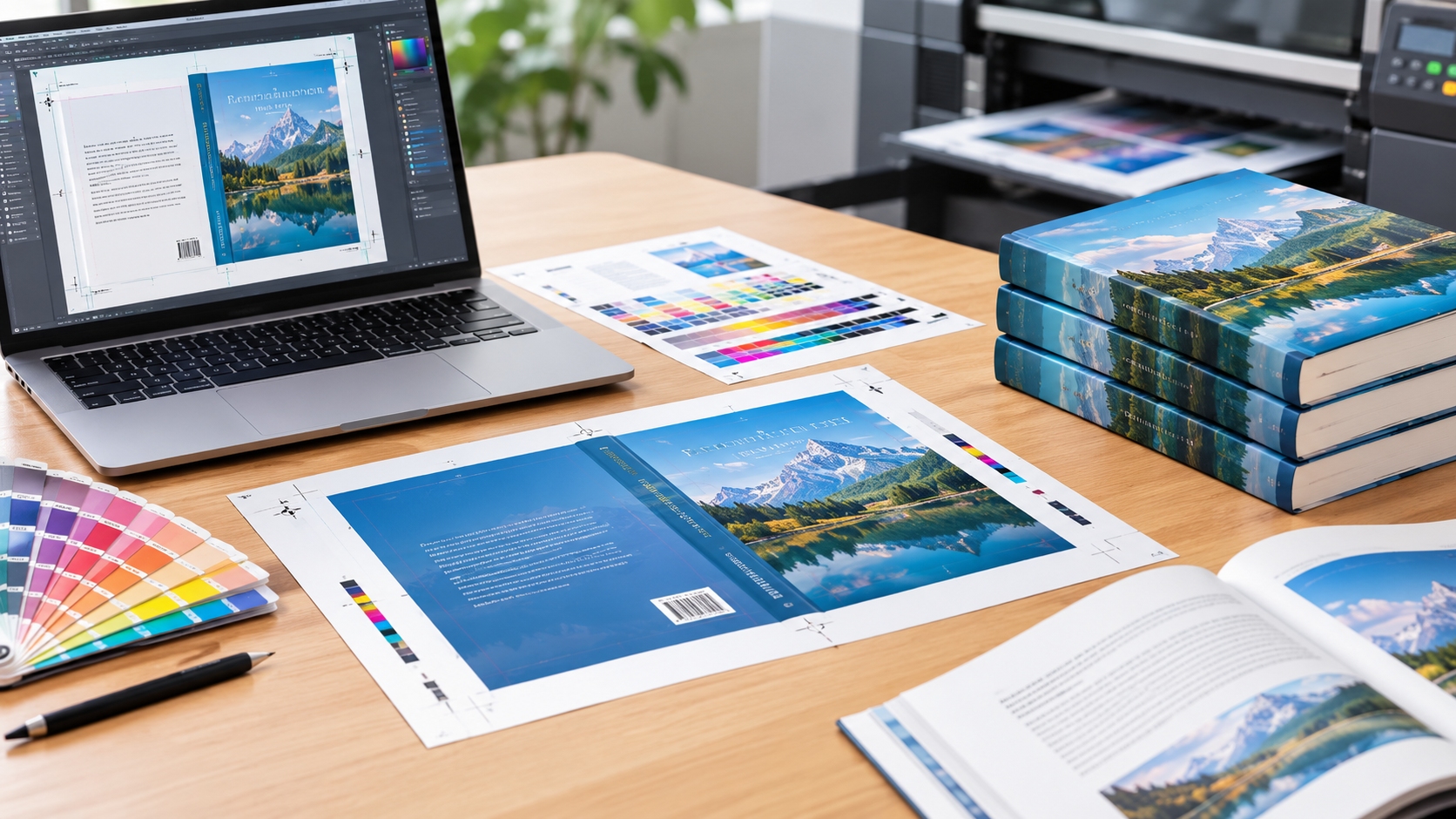
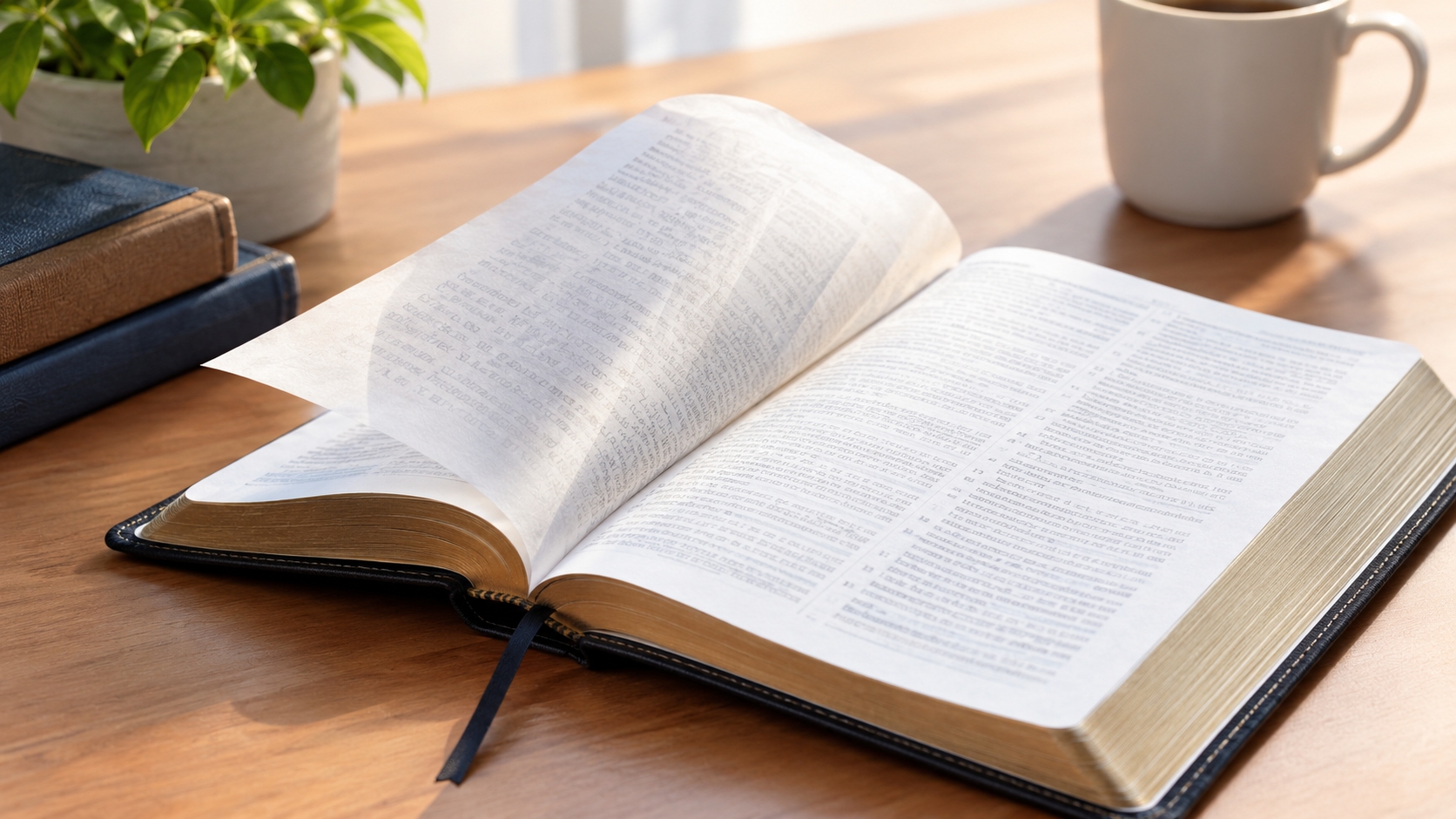
When selecting a paper weight for a children’s picture book, it is important to make the right decision. Paper has a more significant impact than the thickness of every page. It affects colour results, image sharpness, durability, page turning ease, printing expenses and the overall reading experience. It is important for publishers, authors, illustrators, and enterprises to grasp paper weight to guarantee that the printed book is of the highest quality and fits the budget.
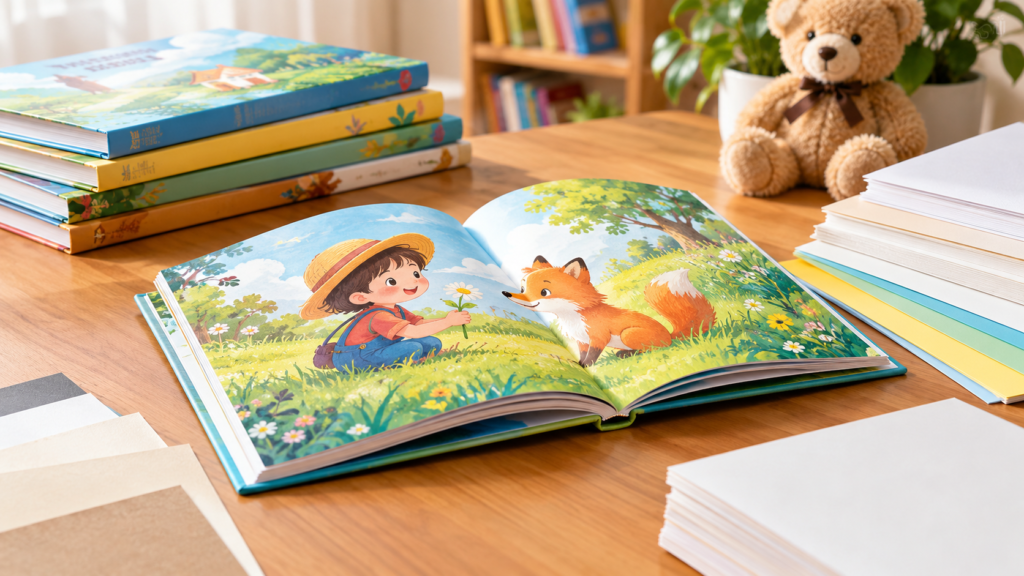
Therefore, which weight of paper should be used for children’s picture book? For picture books, most of the time, 170-250 GSM coated paper is most suitable for the interior pages, and higher GSM paperboard is better for board books intended for babies and toddlers. The appropriate specification varies with the format of the book, the number of pages, how the book is bound, the intended age of the readers and the type of illustration used.
1. Understanding Paper Weight for Children’s Picture Books
Usually paper weight is expressed in GSM (Grams per square meter). It refers to the mass of a square metre of paper.
In general, the higher the GSM of the paper, the heavier it is and the stiffer it will be, but this will also depend on the type of paper, the coating, and the type of manufacturing process used.
Three paper attributes are important for picture books written for children:
- Weight: The mass of the paper, measured in GSM.
- Thickness: The physical distance between the two surfaces of the sheet.
- Stiffness: How well the paper resists bending during reading and handling.
These characteristics are related but not interchangeable. Two paper stocks with the same GSM can have different thicknesses and stiffness levels.
When requesting a children’s book printing quote, specify the desired paper weight and, when necessary, the paper type and thickness. This helps the printing supplier recommend a suitable material for the finished product.
2. Recommended Paper Weights for Different Picture Books
The best paper weight depends primarily on how the book will be used.
100–150 GSM: Lightweight Paper
Lightweight paper can be suitable for text-heavy children’s books with occasional illustrations. It is generally more economical and helps reduce the total weight of a book.
However, it may not provide the premium feel or image quality that publishers expect from full-color picture books. Depending on the paper’s opacity, illustrations and text printed on the reverse side may also show through.
This weight range is worth considering when production costs, portability, and a lower page weight are priorities.
150–170 GSM: Standard Picture Book Paper
Paper weighing 150–170 GSM can provide a balance between cost, flexibility, and print quality. It works well for illustrated children’s books that require attractive colors without excessively thick pages.
This range may suit books with moderate illustration coverage, particularly when the paper has an appropriate coating for full-color printing.
For publishers developing an affordable picture book series, 150–170 GSM is a useful starting point for discussing specifications with a professional printer.
170–200 GSM: A Versatile Choice
For many children’s picture books, 170–200 GSM coated paper offers a strong balance of durability, visual quality, and production efficiency.
It can support vibrant illustrations, detailed artwork, and colorful backgrounds while providing a substantial feel when readers turn the pages.
This range is particularly suitable for books intended for preschool and early elementary readers. It can also work well for hardcover picture books where the cover provides additional structural protection.
For many standard full-color picture books, 170–200 GSM is a sensible starting recommendation.
200–250 GSM: Premium Picture Book Paper
Paper in the 200–250 GSM range provides a thicker, more substantial feel. It may be suitable for premium illustrated books, gift editions, and publications featuring large images or detailed artwork.
Thicker paper can improve perceived quality and reduce show-through, depending on its opacity. However, it also increases material consumption and can make a book heavier.
Publishers should consider the total page count and binding requirements before selecting this range. Very thick interior paper may increase spine thickness and affect how comfortably the book opens.
300 GSM and Above: Covers and Board Book Components
Paper around 250–350 GSM is commonly considered for book covers, depending on the cover construction and finishing requirements.
For hardcover books, the printed cover is typically wrapped around a rigid board rather than serving as the entire structural cover itself.
Board books for babies and toddlers are different. They generally use thick paperboard or laminated board components rather than ordinary interior paper. Their finished leaves are designed to be rigid enough for frequent handling.
Therefore, a 300 GSM sheet should not automatically be treated as an appropriate substitute for purpose-made board book material.
3. Coated Paper vs. Uncoated Paper
Paper coating is another important consideration for children’s picture book printing.
Coated paper has a treated surface that can improve image detail, color saturation, and overall print consistency. Gloss-coated paper creates vivid, high-contrast images, while matte-coated paper provides a softer appearance with less surface glare.
Coated paper is often preferred for illustrated books featuring bright colors, photographic images, or intricate artwork.
Uncoated paper has a more natural texture and a less reflective surface. It can create a warm, tactile reading experience, making it attractive for minimalist illustrations, educational publications, and books with a handmade aesthetic.
The best choice depends on the artwork and intended audience. Before approving a large production run, request printed samples to compare color reproduction, surface texture, and readability.
4. How Paper Weight Affects Print Quality
Children’s picture books depend heavily on visual storytelling. Paper selection can directly influence how illustrations appear on the finished page.
Heavier paper may help reduce show-through, but GSM alone does not determine print quality. Surface smoothness, coating, whiteness, opacity, ink absorption, and printing technology all play important roles.
For example, highly detailed illustrations often benefit from a smooth coated stock that reproduces fine lines and color gradients accurately.
Watercolor-style illustrations may look attractive on matte-coated or selected uncoated papers, depending on the desired effect.
For books featuring large areas of dark color, it is especially important to test whether the chosen stock produces consistent coverage without unwanted marking or surface damage.
A professional book printing supplier can recommend paper that matches the original artwork and printing process.
5. Choosing Paper Weight by Age Group
Different age groups place different demands on picture books.
Babies and toddlers: Board books are usually the most suitable format because their rigid pages are designed for repeated handling. Choose appropriate board materials, safe finishing systems, rounded corners where required, and durable construction.
Preschool children: Picture books for children aged approximately three to five often benefit from durable interior paper and protective covers. Around 170–200 GSM coated paper can be a useful starting point for conventional bound books.
Early elementary readers: Books for children learning to read can use approximately 150–200 GSM interior paper, depending on illustration density, page count, and budget.
Premium gift books: Publications featuring elaborate illustrations, keepsake designs, or special finishes may benefit from 200–250 GSM interiors, provided the binding and overall weight remain practical.
These ranges are guidelines rather than strict rules. A printer should evaluate the complete book specification before confirming the final material.
6. Consider Page Count and Binding Method
Always consider page count and binding when making your choice of paper weight.
Things can be completely different between a 32 page picture book and a 64 page book on a 250 GSM paper.
The thicker the interior paper, the bulkier the book will be. It can also impact the width, bend and page-opening ease of the spine, depending on the binding type.
The most popular binding plans are saddle stitch, perfect binding, and hardcover binding. All have varying paper thickness, page numbers and finished size needs.
A moderately thick paper, for instance, can be used in a relatively thin, saddle-stitched picture book, but a premium hardcover publication could require another thickness of paper, cover material and board thickness.
When ordering books, always make sure your book printing manufacturer can determine the width of the spine based on the actual paper specification and production process.
7. How to Balance Paper Quality and Printing Costs
Choosing the heaviest paper available is rarely the most cost-effective solution.
Higher GSM paper can increase material costs, shipping weight, and storage requirements. For publishers ordering thousands of copies, even a small increase in paper consumption can significantly affect the overall production budget.
To balance quality and cost, consider these steps:
- Define the target retail price and production budget.
- Select the book format, page count, and binding style.
- Choose a paper weight that supports the artwork and target age group.
- Compare coated and uncoated samples.
- Request a printed prototype or production sample.
- Evaluate durability, color quality, opening behavior, and shipping weight.
- Confirm the final specifications before approving mass production.
A reliable supplier can help compare several paper options and explain the trade-offs between thickness, stiffness, appearance, and cost.
8. Questions to Ask Your Children’s Book Printing Manufacturer
Before placing a bulk order, ask your printing partner the following questions:
- What GSM and paper thickness do you recommend for this book format?
- Is the quoted paper coated or uncoated?
- What are its opacity and color reproduction characteristics?
- Will the selected paper work with our page count and binding method?
- Can you provide a printed sample before mass production?
- Are FSC-certified or other documented sustainable paper options available?
- How will paper selection affect unit price, spine width, and shipping weight?
These questions help ensure that the quotation covers the actual production requirements rather than simply the number of pages and copies.
Conclusion
So, what paper weight is best for children’s picture books? In many traditional full-color picture books 170-200 GSM coated paper is a good starting point as it provides a good level of image quality, durability and cost. Different GSMs can be used for different types of publications, such as lightweight editions (around 150–170 GSM) and premium editions (around 200–250 GSM). Board book materials work best for babies and toddlers than regular paper.
In summary, the type of paper chosen is dependent on the book’s target audience, illustration style, number of pages, binding, cost and distribution needs.
By collaborating with an experienced children’s book printing manufacturer, you can find the right paper, printing, binding, and finishing options. Through comparing and sampling materials and testing a full-scale prototype before going to print, publishers and authors can produce picture books for children that not only look beautiful, but are comfortable to hold and will stay pleasing to read for a long time.
Share on Social:


