

How to Get an Accurate Quote for Bulk Book Printing?

Bulk book printing is a great solution for Educational Institutions, businesses, and organizations, as well as publishers and authors, to create books for a competitive unit price. Whether you’re looking for hundreds of paperback books, thousands of hardcover books, or custom-made corporate books, it’s crucial to get a precise bulk book printing quote, as it will help you manage your budget and ensure you get the most quality products.
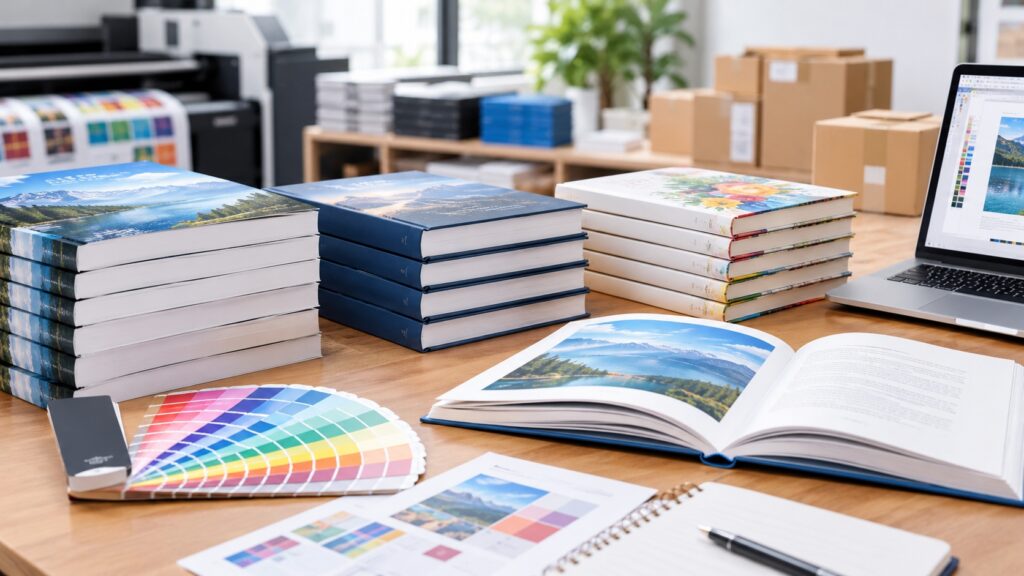
But printing books is more expensive than the number of books. The cost of a book can vary depending on the size of the book, the number of pages, the type of paper used, how the book is bound, the finish on the book’s cover, how the book needs to be colored, how the book is packaged, and how the book is mailed.
An awareness of these factors allows you to compare printing suppliers, prevent unwanted printing costs, and ultimately make a selection on the printing production solution. This guide will describe how to get a fair and accurate estimate for bulk book printing and the information you will need to have ready before calling in to a book printing firm.
1. Determine the Exact Quantity You Need
One of the biggest issues that can impact your quote is the number of books you want printed. Larger print runs typically lower the cost per book since other setup, prepress and fixed book production costs are spread over more books.
Be prepared to make an educated estimate of your books’ actual requirements before asking for a bulk book printing quote. Take into account existing demand, planned distribution, storage space and the potential for future reprints.
If you think you will need 1,000 copies initially and then another 2,000 at a later date, make sure you get a quote for several quantities:
- 500 copies
- 1,000 copies
- 2,000 copies
- 3,000 copies
- 5,000 copies
To be able to understand how the unit price changes when the quantity produced changes, compare the different quantities. It can also be used to determine if there is any reason for ordering more books in advance to save money.
Keep in mind that the lowest unit price doesn’t mean the lowest cost. If they want to make more copies, they will need to invest more, have to ship them and will take up more space in the storage facility. Select the right amount of production to meet a demand that is not impossible or impractical.
2. Specify the Book Size and Dimensions
The dimensions of the book influence the amount of paper that will be used, the layout of the printing, the binding and packaging. Sometimes a slight variation of size can make a difference in production cost, especially in the case of large orders.
There are various common types of books, such as:
- Trade paperback: Suitable for novels, nonfiction books, and general publications.
- A5 books: Popular for manuals, journals, educational materials, and compact publications.
- Letter-size books: Often used for workbooks, catalogs, and technical documents in North America.
- Custom-size books: Ideal for art books, premium publications, and specialized projects.
When asking for a quote, mention the finished size they will need, e.g., 6″ X 9″ or 148mm X 210mm.
If you are not sure of the size, request the printer for cost effective formats depending on your content and usage. Standard sizes can be used to help prevent waste of paper and streamline production.
3. Confirm the Total Page Count
Another key aspect of bulk book printing prices is the number of pages. The more pages there are, the more paper you will need and the more binding you will need to pay for.
For an accurate quote you’ll need to give the total number of pages (interior and cover if your printer counts them separately).
For instance, you could say that your book has 128, 200, or 320 inside pages. If the manuscript manuscript continues to be edited, note that the page count is tentative.
Also, it is important to know how the printer counts pages when printing. Printed page is one side of a sheet, physical sheet can have two printed pages. The page count of some production processes also is subject to specifications.
Let them know about inserts, foldout pages, blank pages, photographs or special sections, if your book has these. These elements can be separate production steps, and can impact the actual price.
4. Choose the Right Paper Type and Weight
Paper selection influences the appearance, durability, readability, and cost of a printed book. Different types of publications require different paper characteristics.
Common options include:
Uncoated paper: Frequently used for novels, educational books, journals, and text-heavy publications. It provides a natural writing surface and a comfortable reading experience.
Coated paper: Offers a smoother surface and can improve image reproduction. It is commonly used for photography books, product catalogs, and illustrated publications.
Offset paper: A versatile option for many commercial printing projects, including textbooks, manuals, and general publications.
Art paper: Often selected for premium books, high-quality images, and visually demanding projects.
Paper weight, usually measured in GSM (grams per square meter), also affects cost and book thickness. Heavier paper may improve the feel of a publication but can increase material and shipping expenses.
When requesting a quote, specify the paper type, weight, and whether you need different paper for the cover and interior pages. If you are unsure, ask the printer to provide several paper options at different price points.
5. Select the Appropriate Binding Method
The binding method affects both the appearance and production cost of a book. Your choice should reflect the book’s purpose, page count, expected lifespan, and target market.
Common binding options include:
- Perfect binding: A popular choice for paperback novels, business books, magazines, and catalogs.
- Saddle stitching: Suitable for thinner booklets, brochures, and short publications.
- Hardcover binding: Provides a premium appearance and greater structural protection for many book formats.
- Sewn binding: Can improve durability and page-opening performance, depending on the construction.
- Spiral or wire-o binding: Useful for workbooks, training manuals, planners, and reference materials that need to lie flat.
Each method involves different materials, equipment, and labor requirements. Hardcover books, for example, generally require more materials and additional assembly steps than standard paperbacks.
To obtain an accurate quote, identify your preferred binding method. If you are comparing alternatives, request separate prices so you can evaluate the relationship between cost, durability, and appearance.
6. Explain Your Color Printing Requirements
Color specifications can significantly affect printing costs. Full-color interiors typically cost more than black-and-white interiors because of differences in ink usage and production requirements.
Before requesting a quote, clarify whether your book requires:
- Black-and-white interior printing
- Full-color interior printing
- A color cover with a black-and-white interior
- Full-color printing throughout
- Special spot colors or other specialized effects
For example, a text-heavy novel may be suitable for black-and-white interior printing, while a children’s picture book or photography book may require full-color reproduction.
If only selected pages need color, ask whether mixed-color production is practical for your project. The answer depends on the page layout, printing method, and production setup.
Providing the correct color specifications prevents significant differences between the original estimate and the final invoice.
7. Identify Cover Finishes and Customization Options
Finishing options can improve a book’s visual appeal and perceived value, but they may also increase manufacturing costs.
Popular cover finishes include matte lamination, gloss lamination, soft-touch lamination, embossing, debossing, foil stamping, and spot UV coating.
For example, a standard laminated paperback cover is generally simpler to produce than a premium hardcover with foil stamping and embossed lettering.
If your project requires custom endpapers, dust jackets, ribbon markers, printed edges, special inserts, or branded packaging, include these details in your request.
Avoid describing your requirements only as “premium quality” or “custom printing.” Instead, provide specific finishing options, reference images, or a sample book. Clear specifications help the printer calculate material usage and production costs more accurately.
8. Prepare Print-Ready Files and Artwork
The condition of your files can affect both the quotation and production schedule. Print-ready files help reduce the need for additional design work, file corrections, and repeated proofs.
Before submitting your project, check the following:
- Interior pages are arranged in the correct order.
- The document matches the agreed trim size.
- Images have sufficient resolution for the intended print size.
- Fonts are embedded or supplied according to the printer’s requirements.
- Bleed and safe margins are correctly configured.
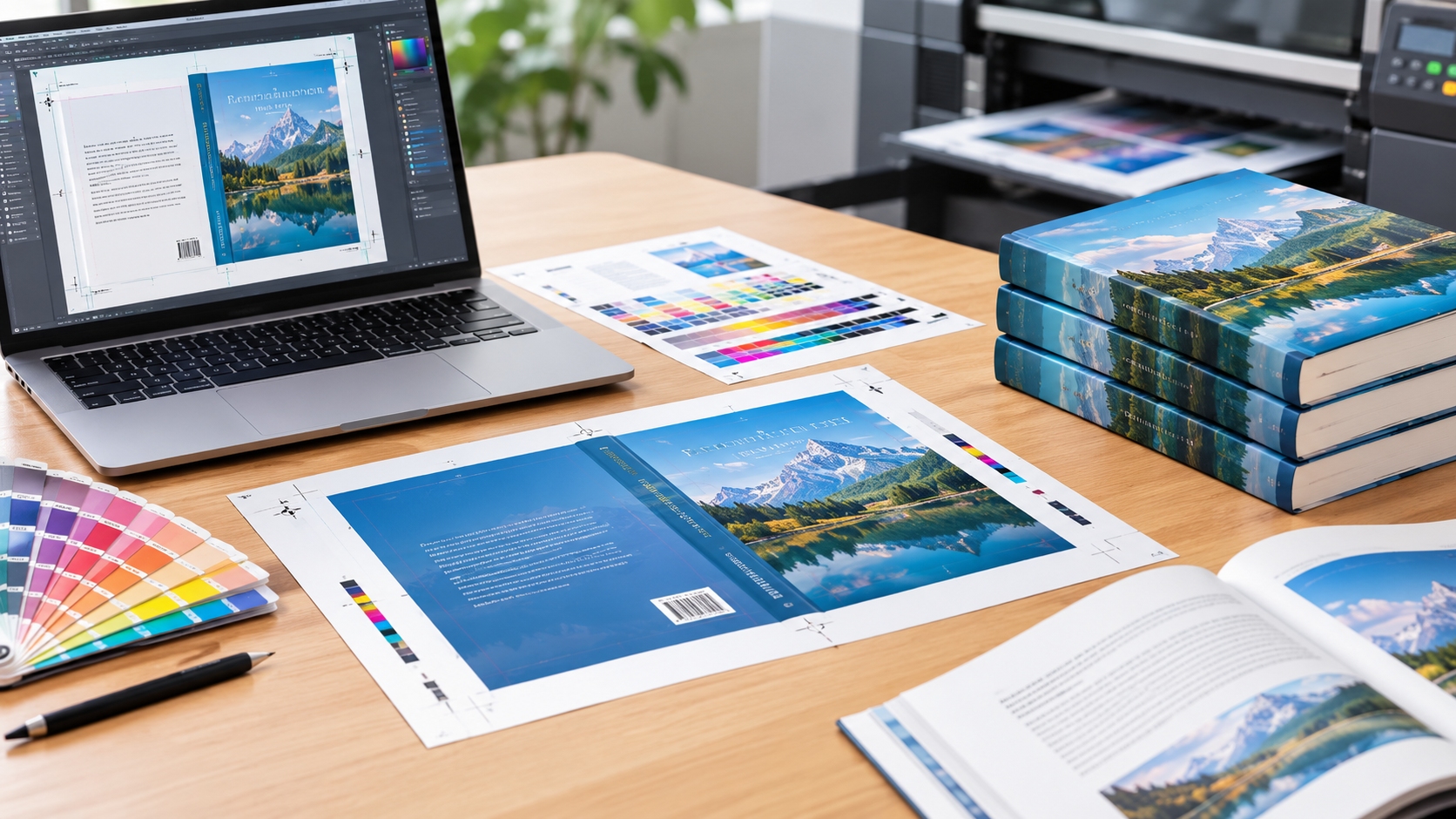
- The cover file accounts for spine width and binding specifications.
- Color settings meet the printer’s production requirements.
A complete print-ready PDF can make the quotation process more straightforward. If your files still need typesetting, cover design, image correction, or prepress preparation, request those services as separate line items.
The spine width should be calculated using the printer’s specified paper and binding requirements rather than estimated independently.
9. Include Shipping, Packaging, and Delivery Requirements
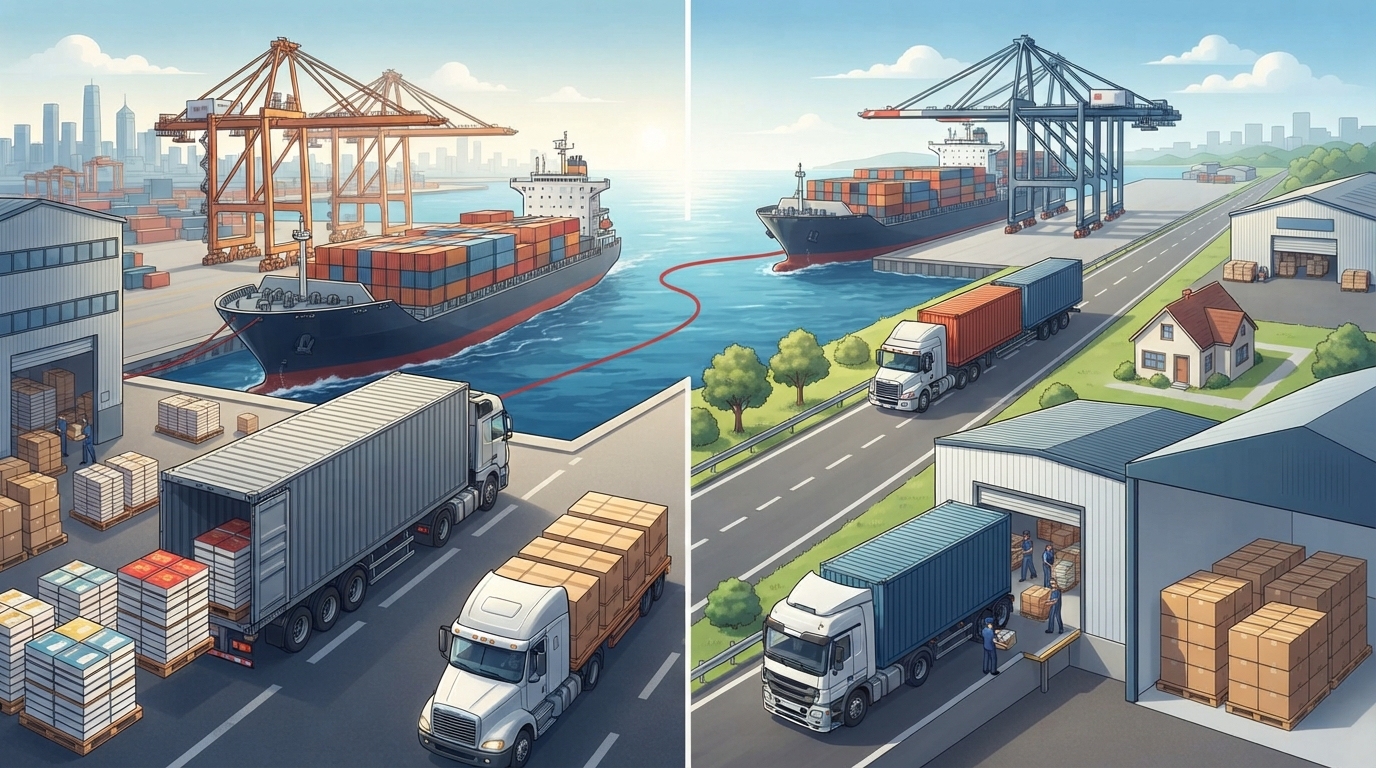
A printing quote should account for more than manufacturing. Freight, packaging, customs duties where applicable, and delivery arrangements can substantially influence the total landed cost.
When requesting a bulk book printing quote, provide your destination country, postal code or delivery location, and preferred delivery method.
Ask the supplier to clarify whether the quoted price includes:
- Individual book packaging, if required
- Cartons and export packaging
- Domestic or international freight
- Customs clearance and import duties, where applicable
- Delivery to your warehouse or another specified address
- Special labeling or palletization
If you are ordering internationally, confirm the shipping terms and identify which party is responsible for freight, insurance, import charges, and customs procedures.
For large orders, request shipping estimates alongside the production quote. Comparing the total delivered cost gives you a more realistic basis for choosing a supplier.
10. Compare Quotes Using the Same Specifications
When looking at different book printing firms, determine that each supplier has the same project requirements.
A less expensive printer might cost less due to lighter paper or different binding techniques, or fewer finishing options. A different one might come with packaging, proofing, and delivery.
Make a comparison chart on quantity, size of trims, number of pages, paper specifications, binding, color requirements, cover finishing, proofing, production lead time, shipping, and payment terms.
Inquire about quality control measures, tolerances and what are considered acceptable and what actions are taken if they are not.
For a large production run, reviewing the physical sample or printed proof can help you determine the quality of the paper, color accuracy, binding strength, and overall appearance before approving the job.
Never base your choice of price. A trustworthy supplier ought to have the capacity to clarify the quotation and make sense of what they believe is being assumed that may alter the final price.
11. Ask About Production Time and Additional Charges
The production timetable may impact on which print provider you select, especially when a book has to be produced for a launch, trade show, school term or distribution date.
Inquire regarding the length of time it will take to prepare, approve, print, bind, finish, and ship files. Ensure that the estimated time frame commences after final artwork or after payment.
Additional costs to discuss include artwork alterations, plate/setup fees (when applicable), special materials, expedited production, storage or changes after production approval.
The detailed quotation should clearly show the confirmed costs and any conditions which might impact the cost.
12. Use a Standardized Quote Request Template
The simplest way to obtain accurate and comparable quotes is to send every supplier the same project brief.
Include the following information:
- Book title or project: Name of the publication
- Quantity: Number of copies required
- Finished size: Trim dimensions
- Interior pages: Total page count
- Interior paper: Type and GSM
- Interior printing: Black-and-white or full color
- Cover: Paperback or hardcover, paperboard, and finish
- Binding: Perfect binding, sewn binding, saddle stitching, or another method
- Additional features: Foil stamping, embossing, inserts, or special packaging
- Artwork status: Print-ready files or design assistance required
- Delivery destination: Full delivery location
- Required delivery date: Target arrival date
- Sample requirements: Digital proof, physical proof, or production sample
If your order quantity is flexible, request several quotes from the supplier. Ask in writing for total production cost, unit price, expected lead time, shipping costs, and any other exclusions.
Conclusion
The first step to an accurate quote for bulk book printing is to have clear specifications and a full understanding of your project. The price is affected by the number of items ordered, the size of the books, the number of pages, the type of paper used, the binding, the use of color printing and finishing and the delivery requirements.
You can create print ready files, compare suppliers on a level playing field and ask for a detailed breakdown of production and shipping costs to ensure that you make better purchasing decisions and don’t get hit with any unwelcome surprises when it comes to the bill.
A well-rounded quote request helps you balance quality, cost and delivery time, as you’re a publisher, self-published author, school or business ordering custom books.
Share on Social:


