

What Is DDP Shipping for Books Printed in China?
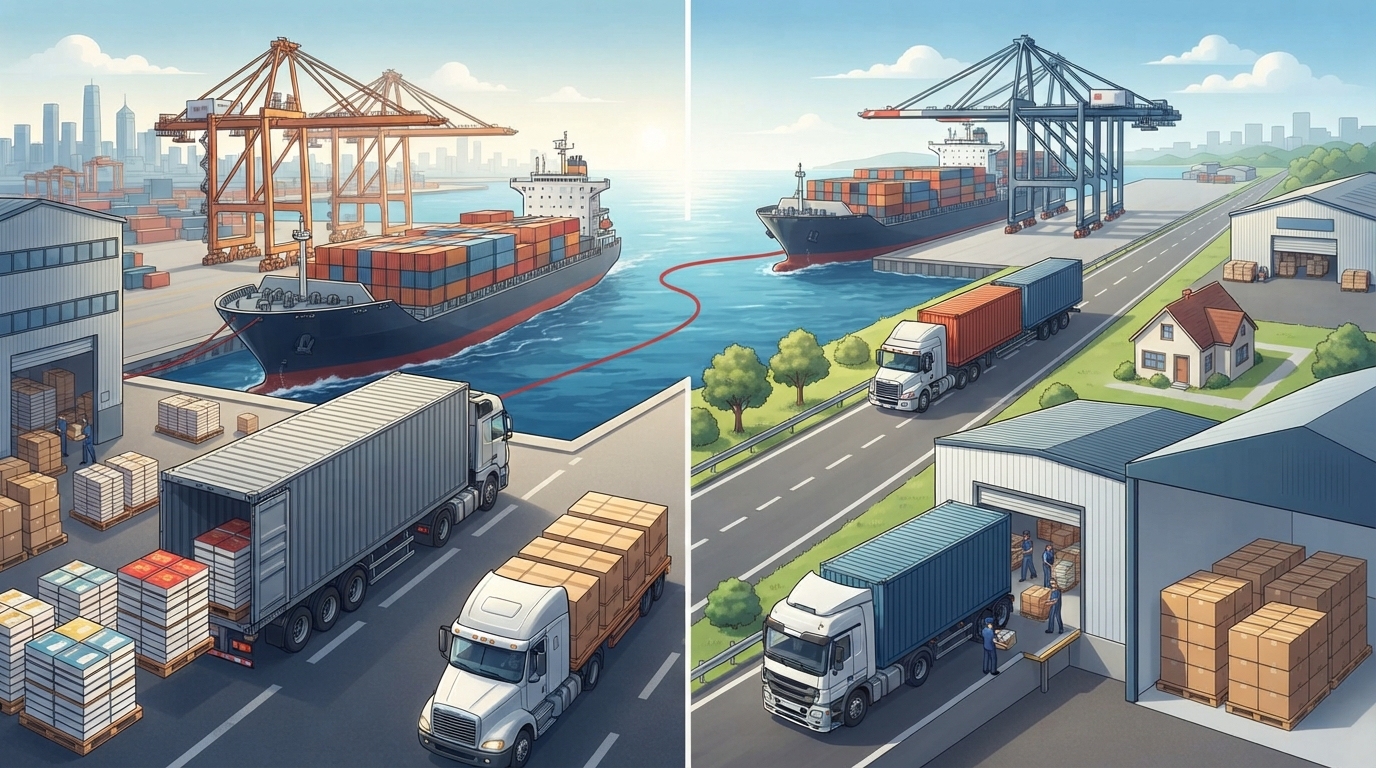


International shipping, customs clearance, import duties and delivery arrangements may make ordering books from a printing company in China difficult. Printing books in China and using DDP shipping for these orders can be a convenient solution for publishers, authors, educational institutions, and businesses that purchase books on a large scale, as it streamlines international shipping and gives them more visibility on costs.
Delivered Duty Paid (DDP) is an international trade term that places the responsibility for the seller to provide the goods to the agreed destination and to arrange import clearance and import duties and taxes, provided the agreed contract and local regulations.
In this guide, we will discuss what DDP shipping means for book printing, how it works, the pros and cons of DDP shipping, and how you can decide whether you should use DDP shipping or not when you are printing a book.
What Is DDP Shipping?
DDP is an Incoterms® (International Commercial Terms) code that means Delivered Duty Paid. Under DDP, seller is responsible for the goods transport to the named destination, export clearance and import clearance, and duty and tax.
In the case of books which have been printed in China, it may be possible for the printing company or its logistics partner to arrange for the books to be transported from the printing factory to where the books are required, either to the buyer’s warehouse or office, to a fulfillment center or to another agreed delivery address.
The buyer is customary not responsible for the import clearance and import charges, which are included in the DDP contract.
The specific service is, however, dependent on the contract, final destination country and logistics provider. Buyers should always ask if the quotation contains all duties, taxes, customs-related fees and final mile delivery costs.
Please note: DDP does not imply that all costs are covered. These may be excluded for special handling, storage due to buyer, address changes or other special charges.
How Does DDP Shipping Work for Books Printed in China?
The DDP shipping process typically involves several stages, from book production to final delivery.
1. Book Printing and Quality Inspection
The process starts with the printing company printing the books based on the accepted specifications. They can be book size, number of pages, paper weight, type of binding, type of cover and packaging.
The typical types of products that are sent via DDP are textbooks, art books, journals, children’s books, hardcover books, paperback books, catalogs and journals.
The supplier is required to check the final quantity, packaging quality, carton size and gross weight before shipping. Correct shipment details enable the logistics provider to accurately calculate freight and arrange for shipping.
2. Export Preparation in China
Once the production is complete, the supplier prepares the commercial invoice and packing list and other documents needed for export and import clearance.
Depending on the shipment/destination, other information may be required including product descriptions, country of origin, customs classification, and importer information.
Good documentation minimises the possibilities of customs delays and unforeseen processing needs.
3. International Transportation
The logistics company will ship the books from China to the country of delivery by the agreed shipping route.
The most popular are sea freight, air freight, and some multi-modal transport companies.
Printed books may take up considerable cargo space and therefore large heavy book orders may be suitable for sea freight. For urgent orders or small quantities, moving by air freight could be a better option than sea freight, because it is faster.
The estimated transit time and transportation costs depend on the route and service.
4. Import Customs Clearance and Taxes
Under a properly structured DDP contract the seller’s responsibility will include import clearance and import duties and taxes.
The actual process is dependent on the destination. They might need customs entry information and an appropriate importer arrangement, for instance, if imported into the United States. There are extra regulatory or documentation requirements at some destinations.
The buyer should ensure that the seller and/or their designated logistics partner has the legal capacity to undertake the import-related obligations in the destination country.
5. Final Delivery to the Agreed Address
Once the books have been cleared through customs, they will be sent to the destination mentioned in the terms and conditions of the agreement.
It could be a business address, warehouse, distribution center or fulfillment facility, depending on the service.
Prior to placing an order, buyers must ensure that the quoted DDP price covers unloading, appointments, home delivery, liftgate, and other special delivery needs.
What Are the Benefits of DDP Shipping for Book Printing?
DDP shipping can be especially useful for international buyers who want to simplify the process of importing printed books from China.
1. More Predictable Landed Costs
The number one benefit of DDP is cost visibility.
While services such as international freight arrangements, customs clearance, import duties and local delivery are usually arranged separately, buyers can instead ask for a consolidated quotation for all the agreed services.
This simplifies the estimation of the landed cost/book and comparison of suppliers.
If a publisher orders 2,000 hardcover books, for instance, the total DDP quotation can help the publisher estimate the delivery cost per copy by dividing the shipment cost covered by the quotation by the number of books ordered.
The actual landed cost should include any costs not covered by the quotation.
2. Less Customs Administration
International customs procedures can be challenging for first-time importers.
DDP reduces the buyer’s administrative burden because the seller assumes responsibility for the agreed import formalities. This is particularly helpful for independent authors, small publishers, online businesses, and companies without an established importing department.
3. Convenient Door-to-Door Delivery
A DDP service can coordinate transportation from the Chinese printing factory to the buyer’s designated delivery address.
This reduces the need to coordinate multiple logistics providers and makes shipment management more straightforward.
4. Easier Budget Planning for Bulk Orders
For bulk book printing, shipping and import expenses can significantly affect the final cost per copy.
A consolidated DDP quotation makes it easier to estimate project expenses before production begins. Publishers can use this information to plan retail pricing, distribution budgets, and promotional campaigns.
5. Suitable for Different Types of Printed Books
DDP shipping can be arranged for many printed products, including hardcover books, paperback books, children’s picture books, planners, workbooks, magazines, and product catalogs.
The most suitable shipping method depends on shipment volume, weight, delivery deadlines, and the destination.
DDP vs. DAP vs. FOB: Which Shipping Term Is Better?
Understanding the differences between common shipping terms helps buyers select the right arrangement for their book printing projects.
| Shipping term | Seller’s main responsibility | Buyer’s main responsibility |
|---|---|---|
| DDP | Delivery to the named destination, including import clearance and applicable duties and taxes | Receiving the goods and handling responsibilities assigned to the buyer under the contract |
| DAP | Delivery to the named destination, ready for unloading | Import clearance and applicable import duties and taxes |
| FOB | Delivery of goods on board the nominated vessel at the agreed port of shipment | Main carriage, import clearance, duties, taxes, and subsequent delivery |
Which option is best?
- Choose DDP if you want a more comprehensive shipping arrangement and prefer not to manage import clearance yourself.
- Choose DAP if you can handle import customs clearance and taxes but want the seller to arrange transportation to the destination.
- Consider FOB if you have an established freight forwarder and want more control over international transportation.
FOB is intended for sea and inland waterway transport. For containerized cargo handed over at a terminal before loading, FCA may be a more appropriate option, depending on the transaction.
No shipping term is automatically the cheapest. The best choice depends on your importing capabilities, shipment size, destination, and total logistics costs.
How Much Does DDP Shipping Cost for Books Printed in China?
There is no single DDP shipping rate for books printed in China. The final quotation depends on several factors.
Book quantity and shipment weight: A large order of hardcover books may require substantially more cargo space and transportation capacity than a small paperback order.
Book specifications: Paper type, page count, binding method, and packaging determine the finished weight and carton volume.
Destination country and delivery address: Shipping to a major logistics hub may cost less than delivery to a remote location. Import taxes and customs requirements also vary by country.
Shipping method: Sea freight generally offers better value for large shipments, while air freight usually provides faster transportation at a higher cost.
Import duties and taxes: These depend on the destination’s regulations, customs classification, origin rules, and applicable tax treatment.
Additional services: Palletization, special handling, warehouse appointments, and residential delivery may affect the total price.
To obtain an accurate quotation, provide your supplier with the book specifications, order quantity, estimated carton dimensions, gross weight, destination address, and preferred delivery date.
Ask for a written quotation that clearly identifies the named delivery destination and lists included and excluded charges.
How Long Does DDP Shipping Take from China?
DDP delivery time depends on production schedules, transportation routes, customs processing, and final-mile delivery.
As a general planning estimate, international air freight may take roughly one to three weeks, while sea freight may take around four to eight weeks or longer. These are broad estimates rather than guaranteed door-to-door delivery times; customs processing, consolidation, peak seasons, and inland transportation can extend the schedule.
The printing production period is separate from shipping transit time. Buyers should therefore confirm both the expected production completion date and the estimated delivery date.
If books are needed for a product launch, holiday campaign, trade show, or publishing release, build additional time into the schedule.
Is DDP Shipping Safe for Importing Books from China?
DDP can be a reliable option when the seller and logistics provider have experience with international printed-book shipments and the import arrangement complies with local regulations.
Before placing an order, take the following precautions:
- Verify the printing company’s experience exporting books to your destination.
- Request a detailed DDP quotation rather than relying on a vague all-inclusive price.
- Confirm who will act as importer of record and whether the arrangement is legally permitted.
- Check whether import duties, taxes, customs clearance, and final delivery are included.
- Ask how delays, customs inspections, storage fees, and unexpected charges will be handled.
- Confirm cargo insurance coverage and the process for reporting damage or missing cartons.
Under DDP, the seller bears the contractual delivery risks and costs specified by the applicable Incoterms® rule until delivery at the agreed destination. However, insurance is not automatically mandatory under DDP, so buyers should verify the coverage provided.
For U.S. shipments, it is especially important to confirm the customs-entry arrangement and the responsibilities of the parties involved. A low quotation is not necessarily the best choice if the provider cannot explain how the shipment will be cleared legally.
How to Choose a Book Printing Supplier Offering DDP Shipping
When comparing Chinese book printing suppliers, consider more than the price per copy.
Look for a manufacturer that can provide consistent printing quality, professional binding, reliable packaging, clear production schedules, and transparent international shipping arrangements.
Ask whether the supplier has experience shipping similar books to your destination and can provide a complete quotation based on your actual order specifications.
It is also helpful to request a production sample, confirm quality-control procedures, and review packaging details before approving mass production.
A supplier that coordinates printing, packaging, and international logistics can simplify communication and reduce the need to manage multiple vendors.
Conclusion
For publishers, authors, businesses and organisations looking at importing printed books in a more convenient way, DDP shipping is a viable choice for books printed in China. DDP can streamline logistics and enhance cost planning by integrating transportation, customs clearance, applicable duties and taxes, and delivery to a designated address, all under a single contract.
When considering DDP, it’s essential to shop around for the total quotation, verify every charge included, and make sure that the import details meet the requirements of the destination country.
The best way to achieve this is to find a book printing manufacturer who is experienced and well-versed in book production and international shipping.
Looking to print a big book? Get a complete quote that includes book specifications, production costs, shipping, import cost and delivery to your destination. This will assist you in selecting and in monitoring your printing dollar.
Frequently Asked Questions (FAQs)
1. What does DDP mean in book printing?
DDP means Delivered Duty Paid. The seller is responsible for arranging delivery to the agreed destination, import clearance, and applicable import duties and taxes under the agreed terms.
2. Does DDP shipping include customs duties and taxes?
Yes, under a properly arranged DDP agreement, the seller is responsible for applicable import duties and taxes. Buyers should confirm the exact coverage and any exclusions in writing.
3. Can I use DDP to ship books from China to the USA?
Yes, DDP shipping can be arranged for printed books destined for the United States, provided the import arrangement complies with U.S. customs requirements and the responsible parties are eligible to perform their respective roles.
4. Is DDP cheaper than DAP?
Not necessarily. DDP may have a higher quoted price because it includes import-related responsibilities that generally remain with the buyer under DAP. Compare the total cost of delivery, clearance, duties, taxes, and administration before deciding.
5. What information is needed for a DDP book shipping quote?
Provide the book size, page count, binding type, quantity, packaging details, estimated gross weight, carton dimensions, destination address, and required delivery date. These details help the supplier calculate a more accurate quotation.
Share on Social:


