

How to Print a Children’s Board Book in Bulk?

Children’s board books are a genre that are well sought-out by publishers, education brands, toy companies and firms creating early-learning books. Board books are heavy-duty books with rounded corners, colorful illustrations and thick pages so the baby or toddler can handle them frequently without damage. But bulk printing for kids board books demands careful planning, ranging from picking the right materials to the printing technique and manufacturing partner.
Knowing how bulk printing works can help you manage costs, ensure quality and deliver on your deadlines, whether you are creating a picture book, alphabet book, interactive learning book, or a personalized collection of children’s board books.
Here, you will read about how to print children’s board books in bulk, factors affecting the pricing of the same and how to select a trusted book printing manufacturer.
1. Define Your Children’s Board Book Printing Requirements
When asking for a quote, make sure to know the requirements of your project. The accuracy of knowing the amount of materials required, production time and overall cost to the printing manufacturer is dependent on clear requirements.
First, find out the following information:
- Book size: Common formats include square, rectangular, and custom-shaped board books.
- Page count: Board books often contain approximately 10–24 printed pages, depending on the design and construction.
- Book dimensions: Typical sizes include 6 × 6 inches, 7 × 7 inches, and 8 × 8 inches, although custom dimensions are available.
- Quantity: Determine your initial order volume and expected future demand.
- Printing method: Full-color offset printing is commonly used for large production runs.
- Finishing options: Consider rounded corners, matte or gloss lamination, special coatings, and custom packaging.
- Binding style: Most board books use a rigid, integrated page construction rather than conventional paperback binding.
It is also important to plan your manuscript, sketches and artwork, cover design, and delivery date.
These details will help manufacturers to recommend the right materials and manufacturing processes for your budget.
2. Choose the Right Materials for Durable Board Books
Material selection is one of the most important decisions when printing children’s board books in bulk. Unlike ordinary picture books, board books use thick, rigid pages designed to resist bending and withstand repeated handling.
Select suitable board thickness
The internal pages are generally made from thick paperboard or layered paper-based materials. The appropriate thickness depends on the book’s dimensions, target age group, page structure, and desired durability.
Thicker boards can create a more substantial feel, but they also increase the overall book weight and may affect production and shipping costs.
A professional manufacturer can recommend an appropriate board structure based on your design.
Choose high-quality printing paper
The printable surfaces should reproduce illustrations, photographs, and text clearly. Depending on the manufacturing process, printed paper may be laminated or mounted onto a rigid board.
For children’s books featuring bright illustrations, consistent color reproduction and smooth surfaces are especially important.
Consider protective lamination
Matte and gloss lamination can help protect printed surfaces from everyday wear and improve the appearance of the finished book.
Gloss lamination often enhances color vibrancy, while matte lamination creates a softer, less reflective appearance.
Because board books are intended for young children, materials, inks, coatings, adhesives, and finished construction should be evaluated for their intended use. Request relevant safety documentation and testing appropriate to your target market.
3. Select the Best Printing Method for Bulk Production
The printing method directly affects unit cost, color consistency, and production efficiency.
Offset printing
Offset printing is a widely used option for bulk children’s board book production. It is particularly suitable for projects requiring high-quality illustrations and consistent colors across thousands of copies.
Its main advantages include:
- Competitive unit costs for larger quantities.
- Excellent reproduction of detailed illustrations.
- Consistent color quality throughout a production run.
- Flexibility for different paper stocks and finishing options.
- Efficient production when artwork and specifications remain unchanged.
Offset printing involves initial setup costs, including printing plates and press preparation. However, these costs are distributed across more copies as order quantities increase.
Digital printing
Digital printing may be appropriate for prototypes, small batches, or early market testing. It typically requires less initial setup than offset printing.
However, complete board book production involves mounting, cutting, assembly, and finishing beyond simply printing the pages. Not every digital printing provider offers specialized board book manufacturing.
For this reason, confirm whether the supplier can produce fully assembled board books rather than printed sheets alone.
For most large-volume orders, offset printing combined with specialized board book assembly is a practical option.
4. Prepare Print-Ready Artwork and Files
Correct artwork preparation minimises loss of time and money in bulk production.
Before submitting your files, check the following requirements.
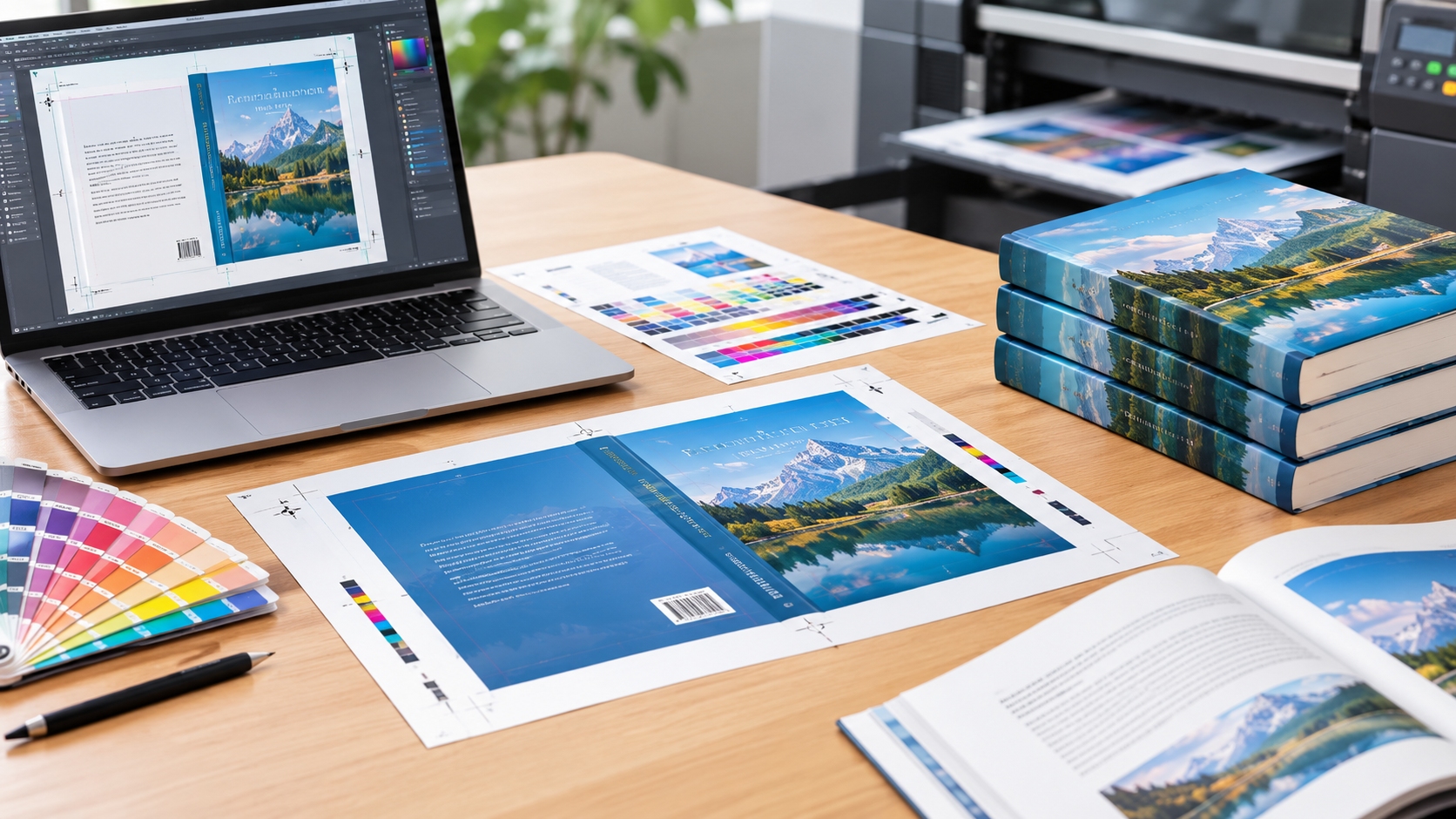
Resolution: Print raster images at the final size resolution of ~300 DPI to ensure good image sharpness.
Color Mode: Inquire with the manufacturer of the files to be supplied being in CMYK or other designated color mode.
Bleed: Extending background colours and images beyond the trim line as required by the printer. A typical beginning is 3 mm of bleed, but it is necessary to verify the specification.
Safe margins: Do not place text, faces, diagrams, or other important graphics near cutting and folding lines.
Page layout: Use layout as provided by the manufacturer for pages, assembly and board dimensions.
Typography: Use fonts or outline when required by print shop.
Preproduction: Proofread to verify that spelling, punctuation, page sequence, illustration placement, and copyright information are all correct before approving production.
When designing a layout for board book, extra care must be taken as every board sheet can have multiple print faces and needs to be printed in the proper order.
A professional manufacturer should be able to offer a suitable template and discuss the composition and superimposition of the artwork.
5. Request a Physical Sample Before Mass Production
Ordering a sample before bulk printing is one of the most effective ways to reduce production risks.
A digital proof can show layout and approximate color appearance, but it cannot fully demonstrate the thickness, weight, texture, or durability of a finished board book.
A physical sample allows you to evaluate:
- Color accuracy and image sharpness.
- Page thickness and rigidity.
- Lamination quality and surface finish.
- Rounded corners and edge finishing.
- Page alignment and opening behavior.
- Adhesion between printed surfaces and board.
- Overall appearance and handling quality.
If you are developing a new book series, approve the sample carefully before authorizing the full production run.
Any changes to dimensions, paperboard, coatings, or artwork should be finalized before manufacturing begins. Late-stage revisions can increase costs and delay delivery.
6. Understand Minimum Order Quantities and Bulk Pricing
The cost of printing children’s board books depends on several variables, including quantity, dimensions, page count, material specifications, finishing, and shipping arrangements.
There is no universal minimum order quantity (MOQ). Some suppliers accommodate smaller production runs, while specialized factories may focus on larger orders because board book manufacturing requires dedicated setup and assembly.
For planning purposes, you can request quotations for quantities such as 500, 1,000, 3,000, and 5,000 copies. These are useful comparison points, not guaranteed supplier minimums.
Bulk printing prices generally follow this pattern:
- Smaller quantities: Higher unit costs because setup expenses are spread across fewer books.
- Medium quantities: Better unit economics as setup costs are distributed over more copies.
- Larger quantities: Potentially lower unit costs, subject to material prices, production capacity, and finishing requirements.
To compare quotations fairly, confirm whether each price includes printing, paperboard, mounting, lamination, cutting, assembly, packaging, and freight.
A low manufacturing quote may exclude important services or specify thinner materials than another supplier’s quotation.
7. Choose a Reliable Children’s Board Book Manufacturer
The right manufacturing partner can help you maintain consistent quality while managing costs and deadlines.
When evaluating a children’s board book printing factory, consider the following factors.
Relevant production experience
Look for manufacturers with experience producing children’s board books rather than only standard paperback or hardcover books.
Ask to see samples of similar projects and confirm that the factory can handle your required dimensions, page count, and finishing options.
Quality control procedures
Ask how the manufacturer checks color consistency, cutting accuracy, lamination, page assembly, and finished book appearance.
For products intended for babies and toddlers, discuss relevant safety requirements for your destination market, including applicable chemical, mechanical, and small-parts testing.
Customization capabilities
If you are creating a branded product, you may need custom sizes, original illustrations, unique shapes, special finishes, or retail-ready packaging.
Confirm which options the factory can provide directly and which require additional suppliers.
Communication and production transparency
A reliable supplier should provide clear quotations, sample approval procedures, production milestones, and shipping estimates.
For overseas orders, communication is especially important because misunderstandings about specifications can result in expensive reprints.
8. Plan Production Time and Shipping
Bulk board book printing involves artwork preparation, sampling, approval, printing, assembly, inspection, packaging and transportation, which are all part of total lead time.
The schedule may differ depending on the amount of the order, the factory workload, material availability and design complexity.
Orders may take a few weeks after specifications are finalized, depending on the degree of complexity of the order or the time of year.
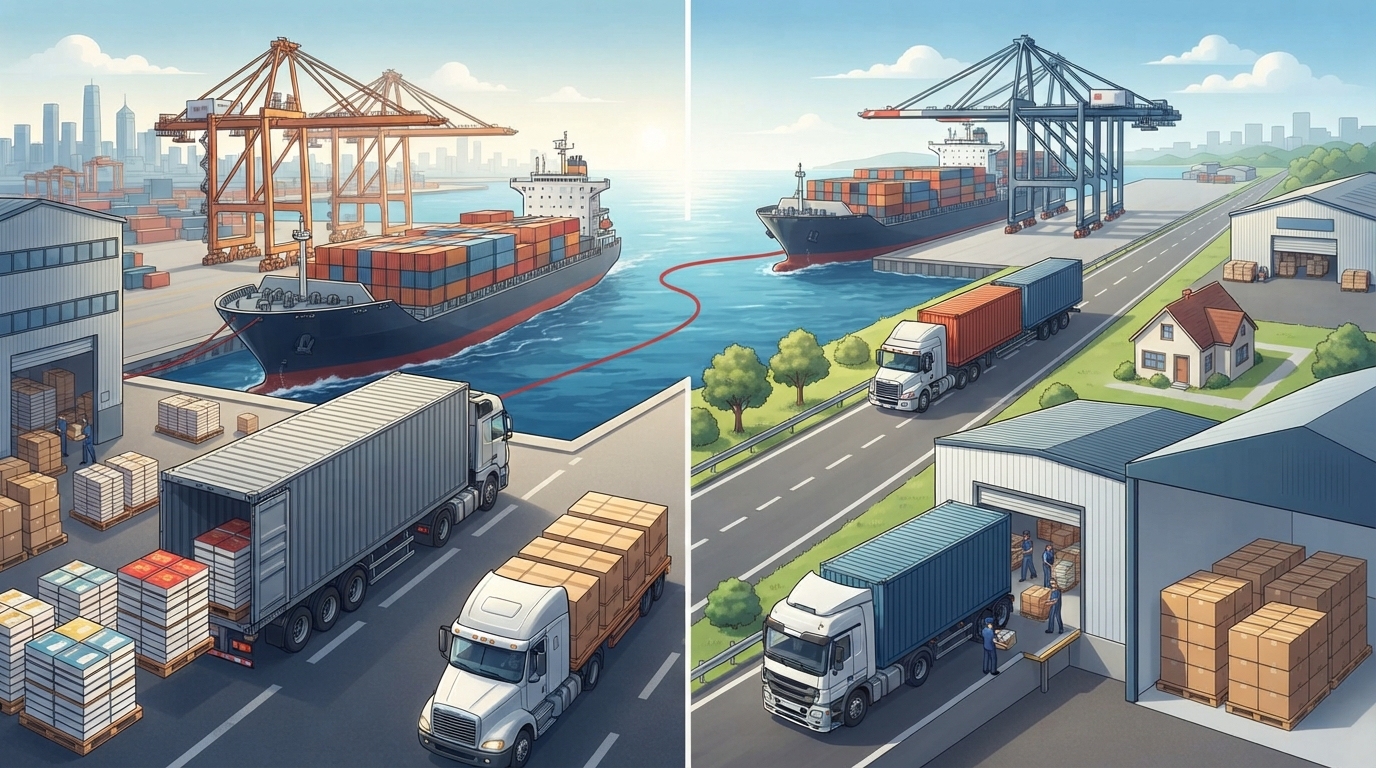
Please note that for international orders, additional time may be required for freight, customs clearance and delivery to your warehouse or fulfilment centre.
Remember: artwork is finished, samples are approved, and schedule agreed upon before placing the order.
Allocate a buffer time when planning for a holiday launch, educational campaign or retail promotion.
9. How to Reduce Bulk Board Book Printing Costs
Reducing costs does not necessarily mean choosing the cheapest materials. A better approach is to optimize specifications while maintaining the quality required for your target audience.
Here are several practical strategies:
- Standardize book dimensions. Common sizes may improve material utilization and simplify production.
- Optimize the page count. Remove unnecessary pages without compromising the reading experience.
- Compare multiple order quantities. Request tiered pricing to identify the most economical volume.
- Limit unnecessary special finishes. Use premium coatings or custom shapes only when they contribute meaningful value.
- Approve artwork before production. Avoid reprints caused by preventable design errors.
- Combine compatible titles. If you are producing a series, ask whether multiple titles can share production planning or shipping arrangements.
- Compare total landed costs. Evaluate manufacturing, packaging, freight, duties, and other applicable charges together.
The most cost-effective specification is the one that balances durability, visual quality, manufacturing efficiency, and the expectations of your customers.
Conclusion
There are more than selecting a printer you need to do for your children’s board book bulk printing. There are many factors to consider when designing a successful production, including paperboards, type of printing process, accurate artwork, physical samples approved and an experienced manufacturer.
For large print runs, offset printing can be a good option due to the reliability of color and the unit economics. The most suitable solution, however, will be determined by the amount, specification, budget and delivery terms.
Before ordering, create a detailed specification sheet and ask for a detailed quotation for materials, printing, assembly, finishing, packaging, and shipping.
When creating a children’s board book project, it can be beneficial to use a specialized book printing manufacturer that can help you create a book that will be robust and appealing to your commercial and quality requirements.
Need a bulk printing solution for kids’ board books? Talk to a reputable printing company about the size, page count, order quantity, customization requirements, and sample requests for a book. A detailed quotation and approved sample of the physical product will greatly assist you in deciding before mass production.
Share on Social:


