

How Much Does It Cost to Ship Books from China to the USA?
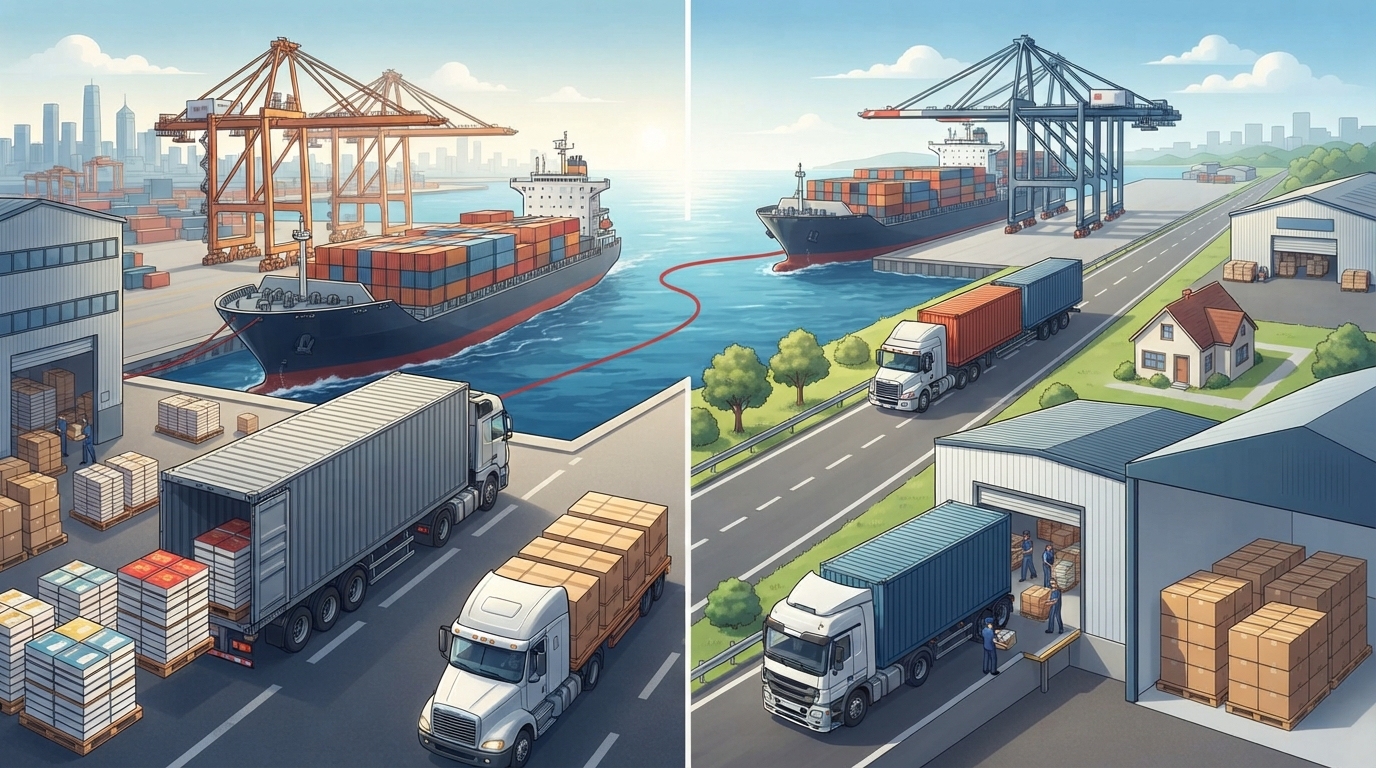


Book shipping from China to the USA can cost anywhere from a few dollars per book for small parcels that are sent internationally to much lower cost per book for large wholesale shipments. Final price is calculated based on the total shipment weight, package size, shipping method, shipping speed, customs and last but not least, the destination in the USA.
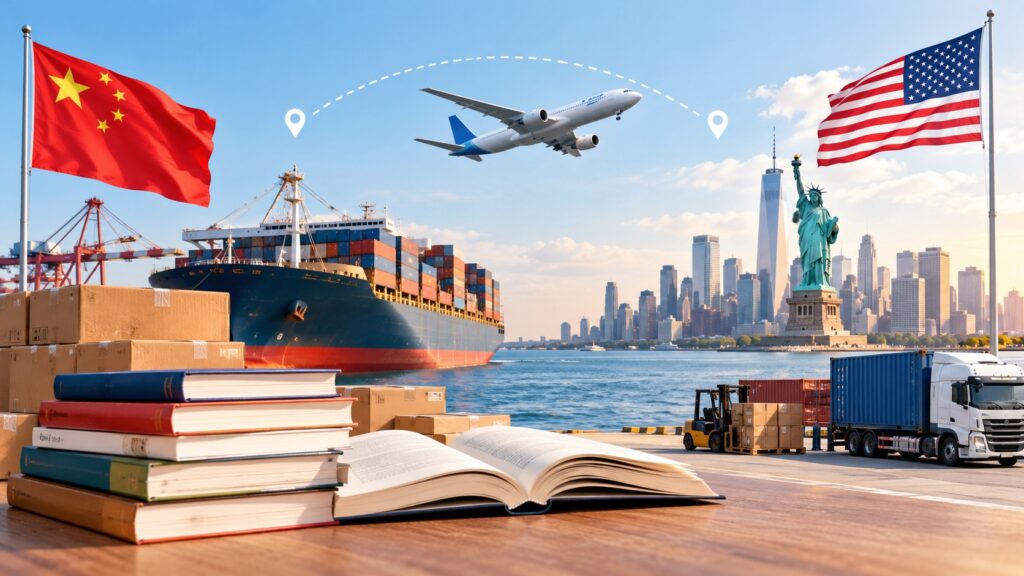
Printing companies, publishers, booksellers, educational institutions, and ecommerce providers can greatly benefit from selecting the proper shipping option for their operations and it can impact logistics expenditures. If you’re importing 100 paperback books, ordering 1000 hardcover books, or sending off the thousands of printed material for commercial purposes, you ought to know what your options are to plan your budget accordingly.
This guide will outline the primary forms of shipping, the approximate costs, the amount of time it takes and some tips for minimizing shipping charges for books from China to USA.
1. How Much Does It Cost to Ship Books from China to the USA?
Book shipping from China to USA is different in price depending on the shipment volume, weight, speed and shipping company. Small parcels typically cost more per kilogram and larger amounts may be subject to lower freight costs.
The below figures are for planning purposes and are not a live carrier quote.
| Shipping method | Estimated cost | Typical transit time |
|---|---|---|
| International express courier | $8–$20 per kg | 3–7 business days |
| Air freight | $4–$9 per kg | 5–12 days |
| Economy air shipping | $3–$7 per kg | 7–15 days |
| Sea freight (LCL) | $100–$300+ per CBM | 25–45 days |
| Sea freight (FCL) | Quoted per container | 25–40 days |
Some possible charges are not included in the estimates, including pickup, export handling, customs brokerage, destination fees, duties and final delivery. The actual price depends on the route, season, cargo specification and freight provider.
Express courier services might be the best solution for a relatively small number of books. Air freight may provide a compromise in the case of mid-sized shipments. Sea freight may be the most affordable option for thousands of books or large commercial printing jobs.
The fastest shipping method will depend on the shipping price, but also on the speed at which the books are needed and how many books you’re importing in to your inventory.
2. What Factors Affect Shipping Costs?
Several factors determine the total cost of transporting books from China to the United States.
Shipment Weight and Volume
Books are not as light as many products. Books, art books, textbooks and catalogs are often very heavy for hardcover books.
Depending on the service, freight companies can charge based on actual weight or volumetric weight. Volumetric weight is a measurement of volume of a package.
For instance, a big carton of children’s books may cost by the volume, whereas a small carton of dense hardcover books may cost by actual weight.
Ask your supplier to optimise carton sizes to cut down on cost, and to use appropriate protective packaging, not leaving too much empty space.
Book Type and Packaging
Different book formats have different shipping requirements.
- Paperback books: Usually lighter and easier to pack efficiently.
- Hardcover books: Heavier and may require stronger cartons to protect rigid covers.
- Coffee table books: Often large and heavy, potentially increasing volumetric charges.
- Children’s books: Board books and specialty formats can be bulky relative to their page count.
- Printed catalogs and magazines: Large quantities can create substantial shipment weight.
Protective packaging is especially important for premium printed products. Damaged corners, bent covers, and moisture exposure can reduce the resale value of an entire shipment.
Shipping Method and Delivery Speed
Express courier services typically charge more for speed and convenience. Sea freight usually has a lower transportation cost per unit for large orders but requires longer transit times and more coordination.
If your books are intended for a product launch, trade show, or scheduled retail promotion, a faster service may be worth the additional expense. For planned inventory replenishment, sea freight may offer better overall value.
Destination and Final Delivery
Shipping to a major US logistics hub may be easier to arrange than delivery to a remote residential address or a location with limited freight access.
The final quotation may include port handling, warehouse receiving, customs clearance, and domestic transportation. Always confirm whether the quoted price covers delivery to your warehouse or only transportation to a port or airport.
3. Air Freight vs. Sea Freight: Which Is Better for Shipping Books?
Choosing between air freight and sea freight is one of the most important decisions when importing books from China.
Air Freight
Air freight is suitable for medium-sized orders, time-sensitive inventory, and shipments that need to reach the USA relatively quickly. It offers shorter transit times than ocean shipping, but the cost per kilogram is usually higher.
Best for: urgent book orders, smaller wholesale shipments, and limited-edition publications.
Sea Freight
Sea freight is generally more economical for large quantities of books. Less-than-container-load (LCL) shipping allows you to share container space with other shipments, while full-container-load (FCL) shipping is an option for larger volumes.
Best for: bulk book printing orders, educational materials, bookstore inventory, and long-term stock replenishment.
When comparing quotations, remember that sea freight involves more than the ocean transportation charge. Origin handling, destination terminal fees, customs brokerage, and delivery to your warehouse can add substantially to the final cost.
For this reason, compare the total delivered cost, rather than selecting a shipping provider solely because it advertises the lowest freight rate.
4. Shipping Cost Examples for Different Order Sizes
The following examples illustrate how shipping expenses may change with order quantity. They assume standard printed books, commercial packaging, and delivery to a US business address.
| Order quantity | Possible shipping method | Planning estimate |
|---|---|---|
| 10–30 books | Express courier | $80–$300 |
| 100 books | Express or air freight | $200–$700 |
| 500 books | Air or sea freight | $400–$1,500 |
| 1,000 books | Sea freight or air freight | $500–$2,000 |
| 5,000+ books | Sea freight | Obtain a shipment-specific quote |
These are broad budgeting examples, not guaranteed prices. Actual costs can fall outside these ranges depending on book weight, dimensions, freight minimums, destination charges, and the service selected.
For example, 1,000 slim paperback books may occupy considerably less space than 1,000 large-format hardcover books. The difference can affect both shipping costs and the number of cartons required.
For an accurate estimate, prepare the following information before requesting a quotation:
- Total number of books.
- Weight per book and total gross shipment weight.
- Carton dimensions and number of cartons.
- Pickup address or city in China.
- Delivery ZIP code in the USA.
- Required delivery date.
- Whether customs clearance and final delivery are included.
5. Do You Have to Pay Customs Duties When Importing Books?
Customs requirements should be considered when calculating the total cost of importing books from China to the USA.
Printed books are generally classified under Chapter 49 of the US Harmonized Tariff Schedule, but the correct classification depends on the specific product. The applicable tariff treatment must be verified for the exact product and country of origin.
Do not assume that every printed product qualifies for identical duty treatment. Books, promotional materials, notebooks, blank journals, and other paper products may fall under different tariff classifications.
Before shipping, confirm the following:
- HS code: Obtain the appropriate tariff classification for the specific books.
- Commercial invoice: Ensure the product description, quantity, and declared value are accurate.
- Country of origin: Identify where the books were manufactured.
- Customs clearance: Determine whether the courier or freight forwarder will handle the entry process.
- Additional charges: Ask about brokerage fees, inspection charges, and other applicable import expenses.
US import requirements and tariff policies can change. Check the current US Customs and Border Protection guidance and the Harmonized Tariff Schedule before placing a large order.
You should also clarify the Incoterms with your supplier. Under DDP (Delivered Duty Paid), the seller generally takes responsibility for arranging delivery and handling import clearance and applicable duties as agreed. Under DAP (Delivered at Place), the buyer generally handles import clearance and applicable import charges.
The exact allocation of costs and responsibilities should be confirmed in writing before shipment.
6. How to Reduce the Cost of Shipping Books from China
If you regularly import printed books, several practical strategies can help reduce your logistics expenses.
Consolidate Multiple Orders
If you purchase books from multiple suppliers in China, consider consolidating them into one shipment. Combining cartons can reduce duplicated handling charges and improve transportation efficiency, although consolidation itself may incur additional fees.
Optimize Carton Dimensions
Ask your printing supplier to calculate carton sizes before production is completed. Efficient packing helps reduce wasted space and may lower volumetric charges.
However, cartons must remain strong enough to protect books during international transportation. Overpacking can increase costs, while insufficient protection can result in damage.
Choose the Right Shipping Schedule
Avoid last-minute shipments whenever possible. Planning inventory requirements in advance gives you more flexibility to choose economical shipping methods rather than paying premium rates for urgent delivery.
Compare Multiple Freight Forwarders
Request itemized quotations from at least two or three providers. Compare the same shipment specifications, delivery terms, and destination services.
A low initial quote may exclude destination handling or final-mile delivery, so review the full cost breakdown before making a decision.
Calculate Shipping Cost Per Book
For commercial buyers, the most useful metric is often shipping cost per unit.
For example, if shipping 1,000 books costs $1,000, the average shipping expense is $1 per book. If you can reduce the total shipping bill to $700 through consolidation or better packaging, the cost falls to $0.70 per book.
This calculation helps publishers, distributors, and online retailers assess profit margins and set more competitive selling prices.
7. Is It Cheaper to Print Books in China and Ship Them to the USA?
The Chinese price for bulk printing and importing books to the U.S. may, for many bulk printing assignments, be cost-effective. The overall benefit is determined by the printing requirements, production volumes, shipping expenses, quality needs and delivery timelines.
For hardcover books, paperback books, children’s books, art books, catalogs and custom books and catalogs, Chinese printing manufacturers might guarantee a competitive price.
But the cost of printing alone does not equate the total cost.
When making a fair comparison, do the following:
Printing cost + Packaging + International freight + Customs and brokerage + Domestic delivery + Other charges (if applicable) = Total landed cost
Next, calculate the average by dividing by the number of books that were sold.
For example, a publisher who places a 5,000 hardcover order should do a cost comparison of the total manufacturing plus logistics cost per book with a similar quotation from the United States. The paper quality, binding, size, colours, and delivery needs should be identical for the two comparisons.
Another great idea is to ask for a physical sample or production proof prior to approval of a large print run. The trouble with quality issues can be far more costly once thousands of books have sailed across the ocean.
8. Frequently Asked Questions
How long does it take to ship books from China to the USA?
Express courier shipping typically takes around 3–7 business days in transit. Air freight commonly takes 5–12 days, while sea freight may take approximately 25–45 days. Customs processing and final delivery can extend the overall timeline.
What is the cheapest way to ship books from China?
For large commercial orders, sea freight is often the most economical option per book. For small parcels, compare international postal services, express couriers, and consolidated shipping options.
Can I ship a small number of books from China to the USA?
Yes. Small quantities can generally be shipped through international couriers or postal services. These methods are convenient for samples, personal purchases, and small orders, although the shipping cost per book may be relatively high.
Does the shipping price include customs duties?
Not necessarily. Some quotations include customs clearance or certain import charges, while others cover transportation only. Confirm the shipping terms and ask for an itemized quotation.
How can I estimate shipping costs before ordering?
Provide your supplier or freight forwarder with the quantity, total weight, carton dimensions, Chinese pickup location, US delivery ZIP code, and preferred shipping method. Request a quotation that includes all charges through final delivery.
Conclusion
The shipping cost of China books to USA is mainly determined by the weight of the shipping, the number of cartons, the number of books to be shipped, the shipping speed and the destination charges. Express courier services are ideal for small orders, air freight is faster for medium size orders and sea freight may be the best choice for bulk book imports.
When ordering custom-printed books, publishers, booksellers, and businesses are best served by comparing the full delivered price of the books and not just the cost of transportation. You can reduce your logistics costs and maintain your margins by optimizing packaging, rationalizing orders, forecasting shipments and checking customs needs.
When placing your next order, please ask for a thorough freight quote for your real book parameters and your U.S. delivery address. This will help you to get a more accurate idea of the total price you will pay per book, and select the most appropriate shipping method.
Share on Social:


