

What Is the Minimum Order Quantity for Custom Book Printing?
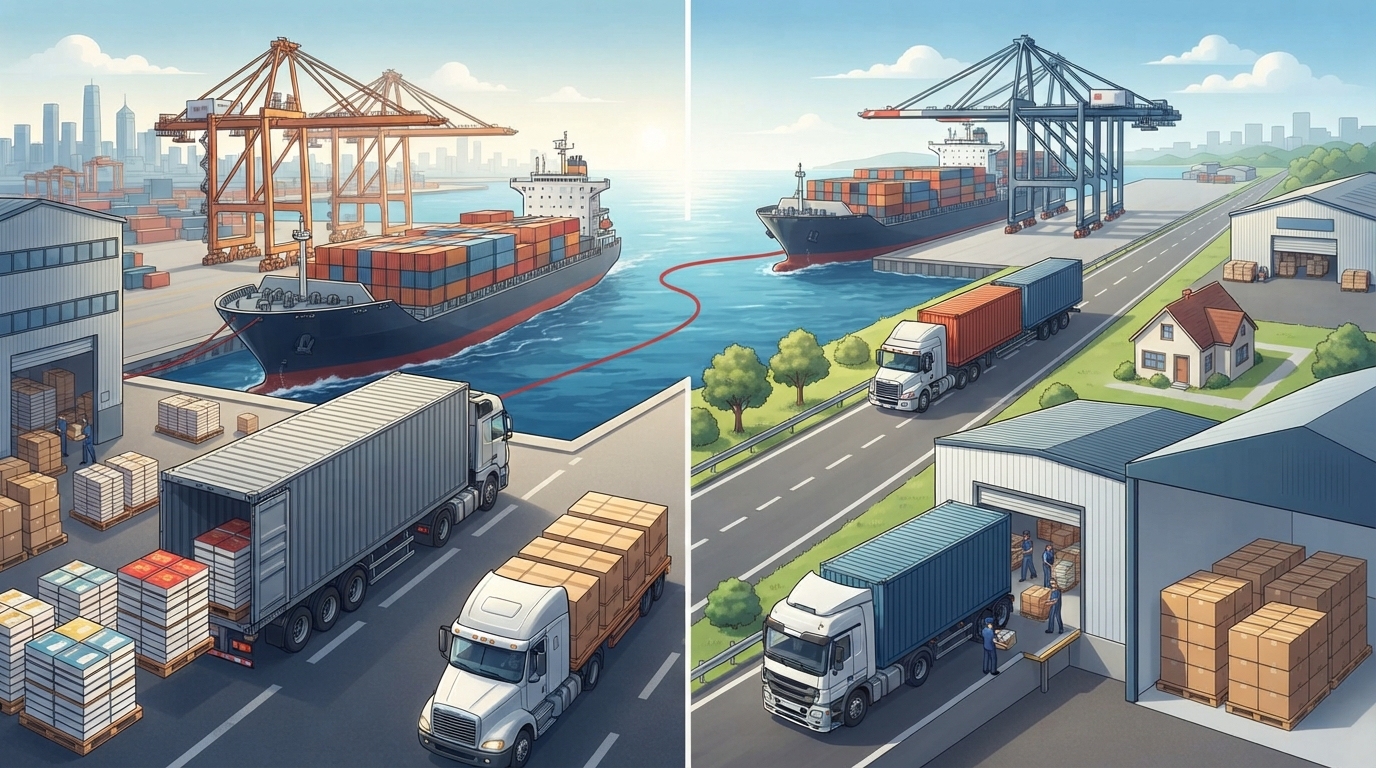
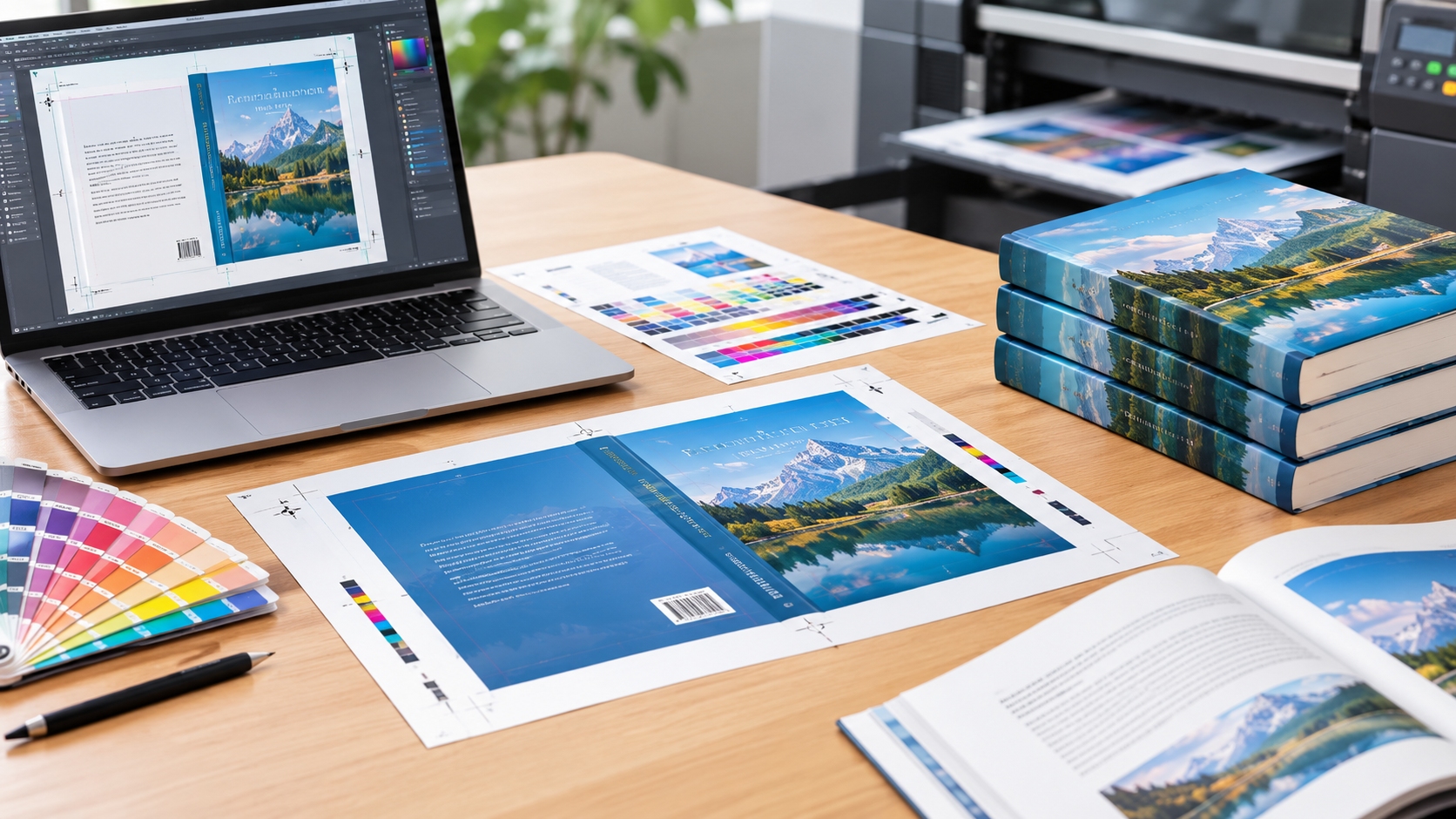

Custom book printing is a great solution for authors, publishers, businesses, educational institutions or organizations that require professionally printed books that meet their specific needs. When it comes to printing your novel, corporate book, product catalog, or hardcover photo book, you need to know what is known as the minimum order quantity.
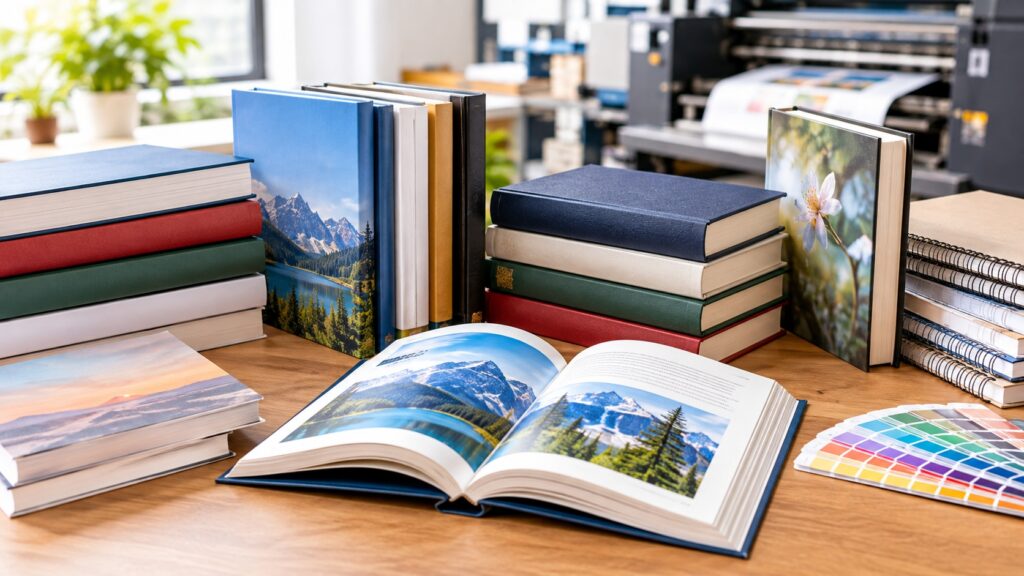
What is the lowest quantity of books that can be custom printed? It’s all based on printing methods, book format, paper options, binding types and the production capabilities of the company printing the book. For some providers, one copy will be enough and for traditional offset printing services, hundreds or even thousands of copies may be necessary to achieve competitive unit prices.
This guide covers the basics of how many printable items you can expect to receive, what factors affect minimum order quantities and how to determine which printing service is going to work best for you.
1. What Is the Minimum Order Quantity for Custom Book Printing?
The smallest number of books a printing company will print as a single order.
If there is any universal MOQ in custom book printing, it is up to you to determine it. There are various printing techniques and printing companies in the market with different production needs.
Examples of typical orders are:
- Print-on-demand: 1–10 copies, depending on the provider.
- Digital book printing: 1–100 copies for many short-run projects.
- Short-run commercial printing: Approximately 50–500 copies.
- Offset book printing: Commonly 500–1,000 copies or more for economical production.
- Large-volume book printing: 1,000–10,000 copies or more for publishers and distributors.
The amounts are industry guidelines and not mandated amounts. Some offset printers will take smaller volumes and some of the digital printing companies focus on much larger quantities.
Your budget, anticipated demand, book guidelines, and distribution strategies are all aspects of your project that will determine the optimal MOQ.
2. Minimum Order Quantity by Printing Method
There are many important decisions to make when designing a custom book printing project, one of those is selecting the correct printing method.
Digital Book Printing
Digital printing is perfect for authors, startups, small businesses and independent publishers who require relatively small volumes.
Unlike the offset printing, digital printing does not need printing plates. Files go straight to the printing equipment, setup is quicker and cheaper for short runs.
Usual minimum order: 1 – 100 copies.
Digital printing offers a number of benefits, such as:
- Low upfront investment.
- Flexible order quantities.
- Faster production for small runs.
- Easy personalization and variable data printing.
- Convenient reordering when demand changes.
For example, an independent author might order 50 paperback books to test market demand before investing in a larger print run.
Digital printing is particularly suitable for manuscripts, training manuals, short-run business publications, and books with limited distribution.
Offset Book Printing
Offset printing is widely used for commercial book production, especially when large quantities are required.
This method transfers ink from printing plates onto paper, delivering consistent print quality across large runs. Although the initial setup costs are higher, the cost per book generally decreases as order quantity increases.
Typical economical order quantity: 500–1,000 copies or more, depending on the project.
Offset printing is suitable for:
- Hardcover books.
- Trade paperbacks.
- Educational textbooks.
- Large-volume catalogs.
- Full-color illustrated books.
- Retail and wholesale book distribution.
For example, a publisher planning to distribute 2,000 copies of a hardcover book may find offset printing more economical than digital printing.
However, the actual break-even point varies according to page count, trim size, paper stock, color requirements, binding, and finishing options.
Print-on-Demand
Print-on-demand (POD) allows books to be printed individually when customers place orders.
This model minimizes inventory requirements because publishers do not need to purchase large quantities in advance.
Typical minimum order quantity: 1 copy.
POD is useful for self-published authors, niche publications, specialized technical books, and businesses that update their materials frequently.
The main disadvantage is that the unit price may be higher than bulk printing. Shipping costs and platform fees can also affect profitability.
For businesses that need only a few copies at a time, however, print-on-demand can reduce storage expenses and the risk of unsold inventory.
3. What Factors Affect the Minimum Order Quantity?
Several production factors influence the MOQ offered by a custom book printing company.
Book Size and Page Count
Book dimensions and page count affect paper consumption, machine setup, and binding requirements.
A 100-page paperback may be less expensive to produce than a 400-page hardcover book of the same dimensions.
Larger formats and complex layouts can require additional materials and processing. Some manufacturers may also have specific production requirements for unusually large or small books.
Binding Style
Binding is another important consideration.
Common options include:
- Perfect binding for paperbacks.
- Case binding for hardcover books.
- Saddle stitching for thin booklets.
- Spiral or wire-o binding for manuals and workbooks.
Hardcover book printing typically involves additional materials and manufacturing steps, including cover boards, endpapers, and case making.
Consequently, hardcover projects may have higher setup costs or minimum quantities than straightforward paperback projects.
Paper Type and Printing Quality
Paper weight, finish, opacity, and color influence production costs.
Standard uncoated paper is often suitable for novels and text-heavy publications. Coated paper is commonly used for photography books, art books, and publications with detailed color images.
Premium paper, specialty textures, and unusual sizes may require specific sourcing arrangements.
If a printer must purchase special materials for your project, the minimum order quantity may increase.
Cover Design and Finishing
Custom covers can include matte lamination, gloss lamination, foil stamping, embossing, debossing, and spot UV coating.
These finishes can improve a book’s appearance, but some require additional setup or specialized production processes.
A simple paperback cover may be practical for a small order, while a premium hardcover book with multiple special finishes may be more economical at a higher quantity.
Printing Company and Production Equipment
Every printing company has different equipment, workflows, and business models.
A digital printing specialist may accept orders starting at one copy, while a manufacturer focused on large-volume offset production may establish a higher MOQ.
When comparing suppliers, ask whether the minimum quantity is determined by the printing method, material purchasing requirements, binding process, or commercial pricing policy.
4. How Much Does Custom Book Printing Cost at Different Quantities?
The total cost of printing books depends on the specifications and quantity ordered.
In general, increasing the order quantity reduces the average cost per book because setup expenses are distributed across more copies.
Consider the following hypothetical example for a standard paperback book:
| Quantity | Total production cost | Cost per book |
|---|---|---|
| 100 copies | $600 | $6.00 |
| 500 copies | $1,750 | $3.50 |
| 1,000 copies | $2,800 | $2.80 |
| 2,000 copies | $4,600 | $2.30 |
These figures are illustrative only, not supplier quotations. Actual prices vary significantly by country, book size, page count, paper, color, binding, shipping, and finishing.
The example demonstrates an important principle: the lowest unit price does not necessarily mean the lowest overall expense.
If you order 2,000 copies but sell only 300, the additional inventory may cost more than the savings achieved through bulk printing.
Before placing an order, compare the total production cost, per-unit cost, storage expenses, shipping fees, and expected sales volume.
5. How to Choose the Right Order Quantity
Selecting the right quantity requires balancing production costs with realistic demand.
Start with Your Sales Forecast
Estimate how many copies you expect to sell or distribute within a reasonable period.
Authors preparing for a book launch may need enough copies for preorders, events, reviewers, and online sales. Businesses producing training manuals may only need enough copies for current employees.
A realistic forecast helps prevent overproduction.
Request Quotes for Multiple Quantities
Instead of requesting a quote for only one quantity, ask the printer to price several options, such as 100, 300, 500, and 1,000 copies.
This makes it easier to identify the most economical order size and understand how production costs change at different volumes.
Consider Reprinting Costs
For projects with uncertain demand, a smaller initial print run can reduce financial risk.
Digital printing makes it easier to reorder books as needed. Once demand becomes predictable, you can compare offset printing for future bulk orders.
Check Shipping and Delivery Costs
The printing quote may not include freight, customs duties, taxes, or delivery to your warehouse.
For international book printing, these expenses can significantly affect the final cost per copy.
Request a complete quotation that specifies packaging, shipping terms, production time, and delivery arrangements.
6. How to Reduce the MOQ for Custom Book Printing
If a supplier’s minimum order quantity is higher than your budget allows, several strategies may help.
Choose digital printing. Digital production is often more practical for small quantities because it requires less upfront setup.
Use standard materials. Selecting commonly available paper, standard book dimensions, and conventional binding can simplify production.
Simplify special finishes. Removing expensive decorative elements may make smaller orders more feasible.
Ask about sample orders. Some printing companies offer single copies or preproduction samples so you can evaluate quality before committing to a bulk order.
Combine compatible projects. If several books share the same specifications, ask whether the printer can coordinate production to improve efficiency. Separate titles may still require separate setup charges and should not automatically be assumed to qualify for a shared MOQ.
7. What Should You Ask a Custom Book Printing Supplier?
Before selecting a printing company, clarify the details that affect your order.
Important questions include:
- What is your minimum order quantity for paperback and hardcover books?
- Do you offer digital printing for small quantities?
- What is the price per book at different order volumes?
- Are cover design, proofing, and finishing included in the quotation?
- Can I order a physical sample before mass production?
- What is the estimated production and delivery time?
- Are shipping, packaging, and applicable taxes included?
- Can I reorder the same book with consistent paper, color, and binding?
Providing complete specifications helps suppliers prepare more accurate quotations and reduces unexpected costs.
Conclusion
For custom book printing, the minimum order quantity for books may start from as few as one copy to several hundred or thousands, depending on the printing method and the requirements.
Digital printing is more suitable for small orders and print-on-demand printing, whereas offset printing would be more suitable for larger production runs.
When selecting the right solution, consider your book format, number of pages, paper type, binding options, finishing options, sales projections and total landed cost. One of the best methods to find out which suppliers are best is to request quotes for multiple amounts, as this will help you to compare both the price and the quality of work.
From 10 books to 5000 hardcovers, knowing what MOQ is will help you to plan the production process and make smart buying choices.
Frequently Asked Questions
What is the lowest MOQ for custom book printing?
Some digital printing and print-on-demand services accept orders starting at one copy. The exact minimum depends on the provider and book specifications.
Is hardcover book printing available in small quantities?
Yes. Some digital printers offer short-run hardcover production, although the unit cost is generally higher than for larger orders.
Is bulk book printing cheaper?
Bulk printing usually reduces the average cost per book, particularly with offset printing. However, the best order quantity depends on demand, storage costs, and the risk of unsold inventory.
How can I get an accurate custom book printing quote?
Provide the quantity, finished dimensions, page count, interior color, paper type, binding style, cover finish, shipping destination, and required delivery date. These details help a printing supplier calculate a more accurate price.
Share on Social:


