

How Much Does It Cost to Print 1,000 Hardcover Books?
For those who require hardcover books in large quantities for business, educational institutions, organizations, and authors, printing 1,000 hardcover books is a viable choice. The total cost may vary widely, however, according to the size of the books, number of pages, quality of the paper, binding materials used, colour printing, finishing options, and the location of the printing.
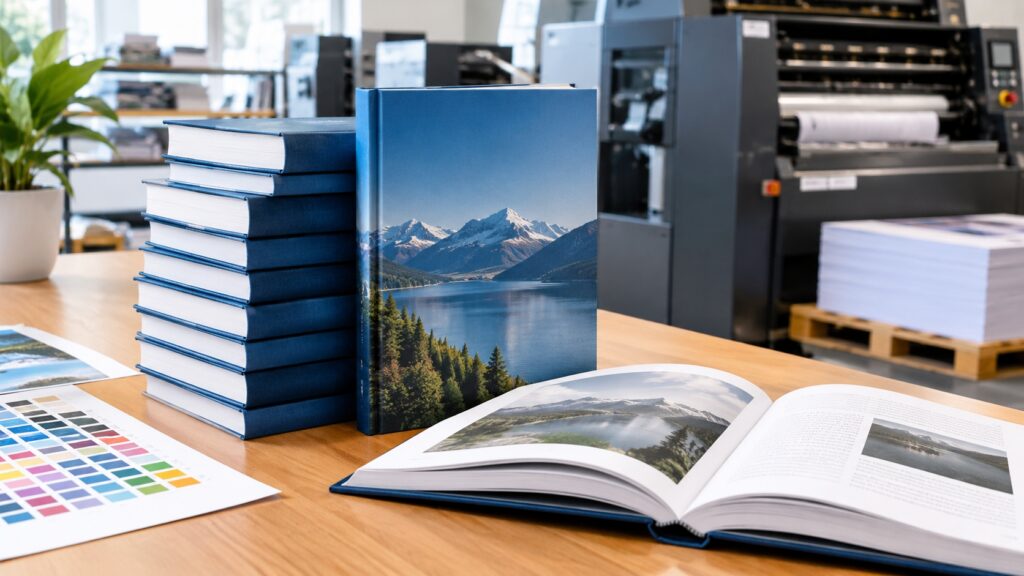
The average printing price for 1,000 hard cover books is $4-$15 depending on the specification and production method. For many standard projects, a total printing cost of $4000 – $15000 may be appropriate. High quality art books, full-color photography books, and complicated custom editions may be significantly more costly.
By knowing what factors will affect hardcover book printing costs, one can figure out how to compare book printing quotes, make a good selection of materials, and keep a good track over the production budget.
1. Average Cost to Print 1,000 Hardcover Books
The printing of hardcover books costs mainly according to the difficulties of the work. A novel in black and white typically is less expensive to produce than the large full-color coffee table book.
The following estimates give a general guide to budgeting the costs of a print run of 1,000 copies.
| Hardcover book type | Estimated cost per copy | Estimated total cost |
|---|---|---|
| Black-and-white novel | $4–$7 | $4,000–$7,000 |
| Business or educational book | $5–$9 | $5,000–$9,000 |
| Illustrated children’s book | $6–$12 | $6,000–$12,000 |
| Full-color art or photography book | $10–$20+ | $10,000–$20,000+ |
| Premium hardcover edition | $12–$25+ | $12,000–$25,000+ |
These figures are not market prices, but estimates of production. The actual figures may vary from one printer, to another country of manufacture, depending on the specifications, shipping and finishing requirements.
To get an accurate estimate, give the printer your final page count, your trim size, interior color needs, cover design, paper specifications and delivery destination.
2. What Factors Affect Hardcover Book Printing Costs?
Several production variables determine how much it costs to print 1,000 hardcover books.
Book Size and Dimensions
Book size affects the amount of paper used, printing speed and binding requirements.
Frequently sold sizes are 5.5 x 8.5 inches for novels, 6 x 9 inches for business books and larger for illustrated books.
Typically, larger books will have more paper needs and potentially higher material and finish costs. The final price does also, however, rely on the efficiency with which the pages print on standard size paper.
Opting for a standard format rather than a highly personalized one can help to lower manufacturing costs.
Page Count
One of the significant cost factors is page count. It takes less material or print time to produce a 150-page book, whether it is in hard cover or paperback.
The more pages there are, the more paper, spine thickness and binding requirements. They can also impact packaging weight and shipping costs.
To ensure budget control, carefully edit the manuscript, eliminate extra blank pages and optimize the layout while maintaining a readable document.
Interior Printing: Black and White vs. Full Color
Interior printing prices are different and depend on the implementation of colour.
Novels, text based business books, manuals and many education publications are often best printed in black and white.
Full-color printing is better for children’s books, product catalogs, cookbooks, photo albums and art books. Often uses more expensive printing methods and tighter colour quality control.
If your book has many words and few pictures, it may be best to have a black and white interior, with a separate section in color. This can help to tip the scales between what is visually appealing and what it costs to produce.
Paper Quality and Weight
The paper’s characteristics can impact the look, strength, transparency and hand of the final book.
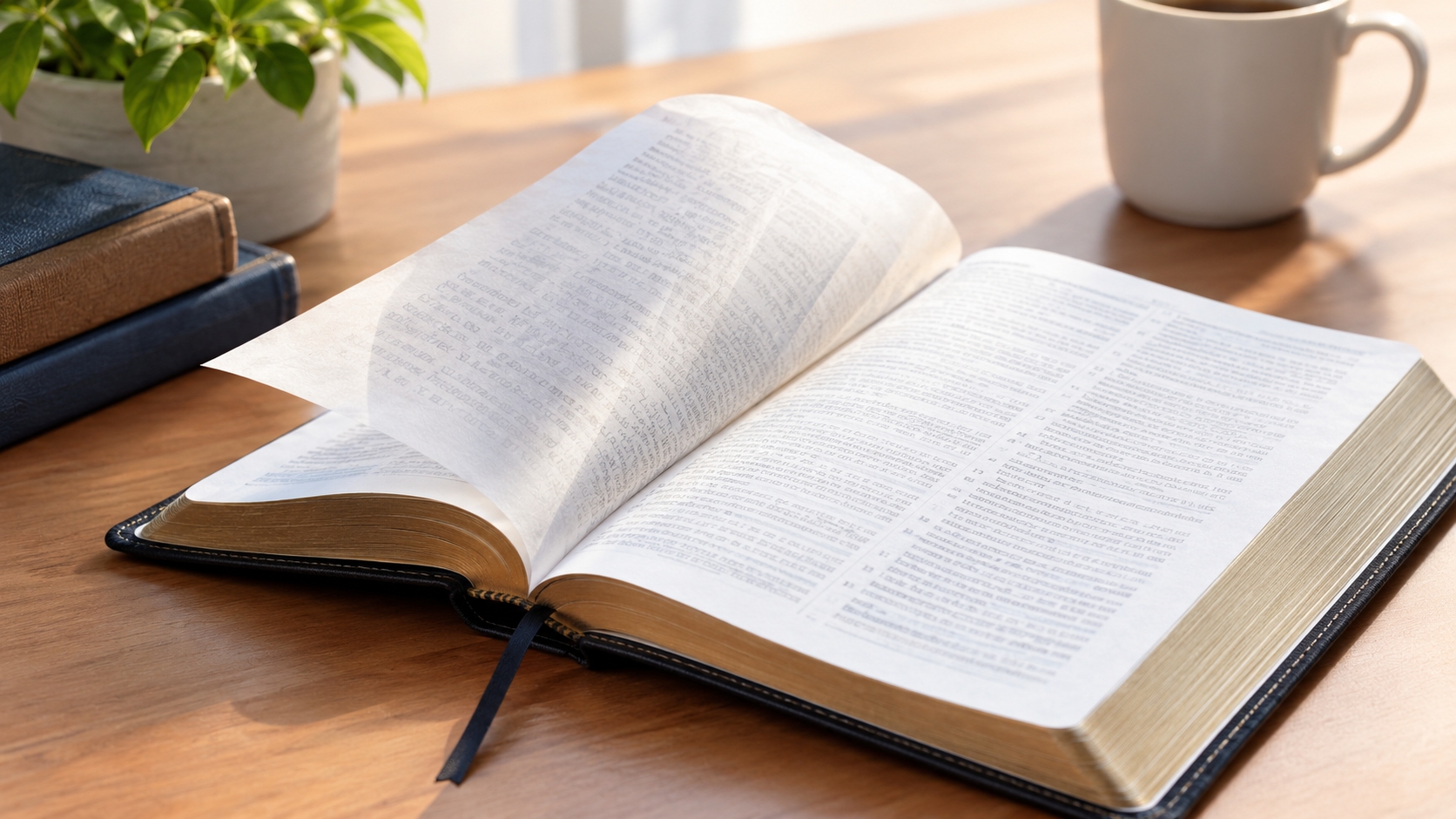
Novels and publications with a lot of text may well be suited to uncoated paper as this is generally very comfortable to read. Photographs, illustrations, and books that demand more color detail are often printed on coated paper.
Using heavier paper will give a better impression of the quality of the work, but will add to the use of materials, finished book weight and shipping costs.
Choosing the best paper doesn’t always have to be the most expensive. It must reflect the content, target audience and budget.
Hardcover Binding and Cover Materials
Hardcover binding generally costs more than paperback binding because it requires rigid boards, a wrapped cover, and additional assembly work.
Standard hardcover options may include printed paper wrapped around the boards, while premium versions may use cloth, textured paper, foil stamping, embossing, or debossing.
A dust jacket is another optional feature that can enhance the book’s presentation but add to production costs.
For a professional appearance at a controlled price, consider a standard casebound hardcover with a full-color printed cover and minimal decorative finishing.
3. Offset Printing vs. Digital Printing for 1,000 Hardcover Books
Choosing the right printing method can significantly affect your per-copy cost.
Offset Printing
Offset printing is often a strong option for orders of 1,000 hardcover books, especially when the page count and specifications are standardized.
Although offset printing requires setup and preparation, the cost per copy can become more competitive as quantities increase.
Advantages include:
- Competitive unit pricing for suitable production runs.
- Consistent image quality and color reproduction.
- Broad choices of paper, binding, and finishing.
- Efficient production for repeat orders.
Offset printing is particularly suitable for publishers, established authors, corporate publications, and large-format illustrated books.
Digital Printing
Digital printing transfers the content directly from digital files and typically requires less setup.
It can be useful for short runs, customized editions, or projects with changing content. However, digitally printed hardcover books may have a higher unit cost, depending on the equipment and specifications.
For 1,000 copies, compare quotes from both digital and offset printers rather than assuming one method is always cheaper. Page count, color coverage, binding capabilities, and production schedules can change the result.
4. Additional Costs Beyond Printing
The quoted manufacturing price may not include every expense associated with producing and delivering your books.
Before placing an order, consider the following costs.
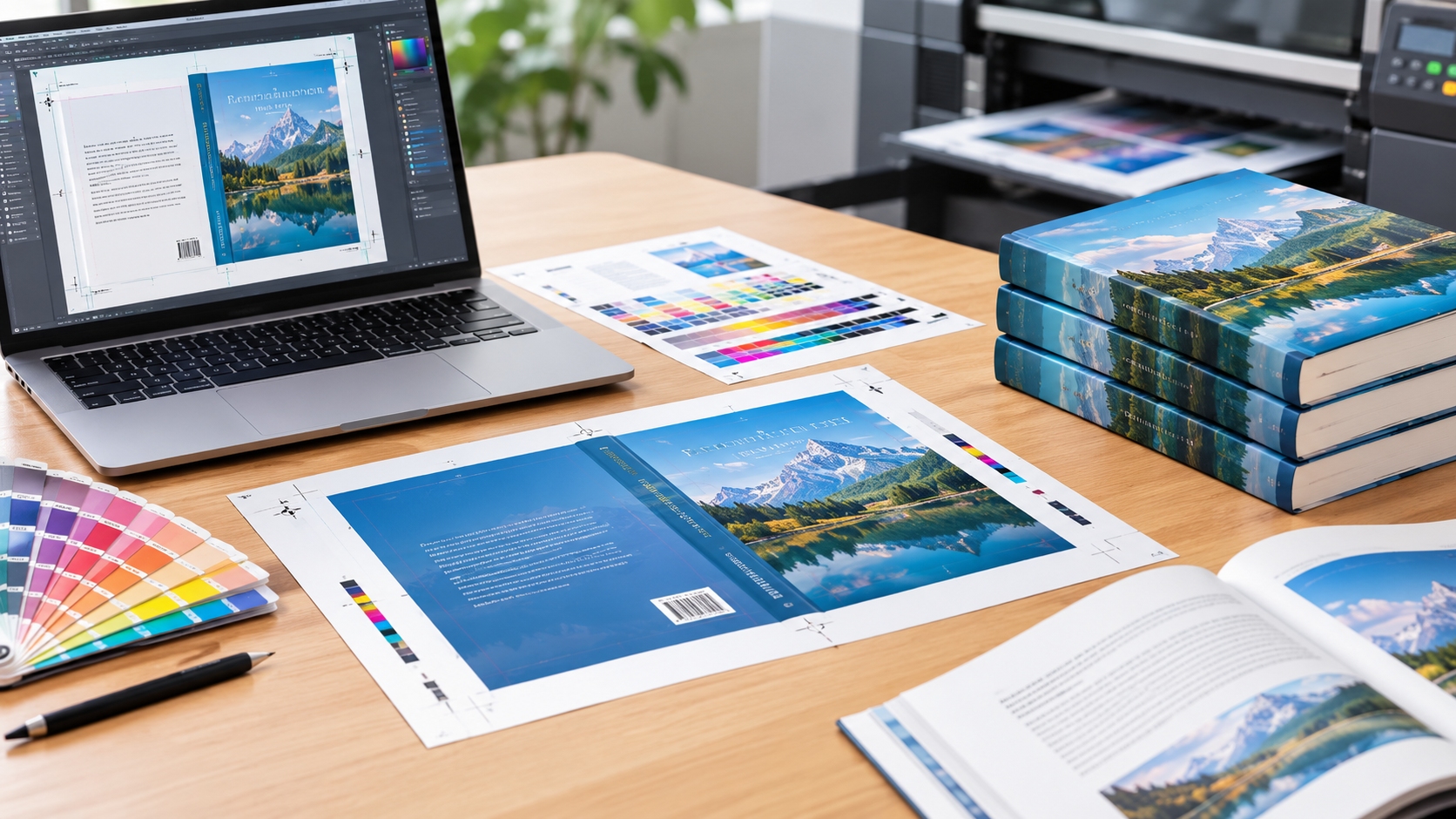
Cover and interior design: Professional layout, typesetting, illustration, and cover design may be billed separately.
Proofing and samples: A physical proof or preproduction sample can help you identify printing, color, and binding problems before mass production.
Finishing: Foil stamping, embossing, special coatings, ribbon markers, and custom endpapers may increase the unit price.
Packaging: Individual wrapping, protective cartons, and export packaging can add to production costs.
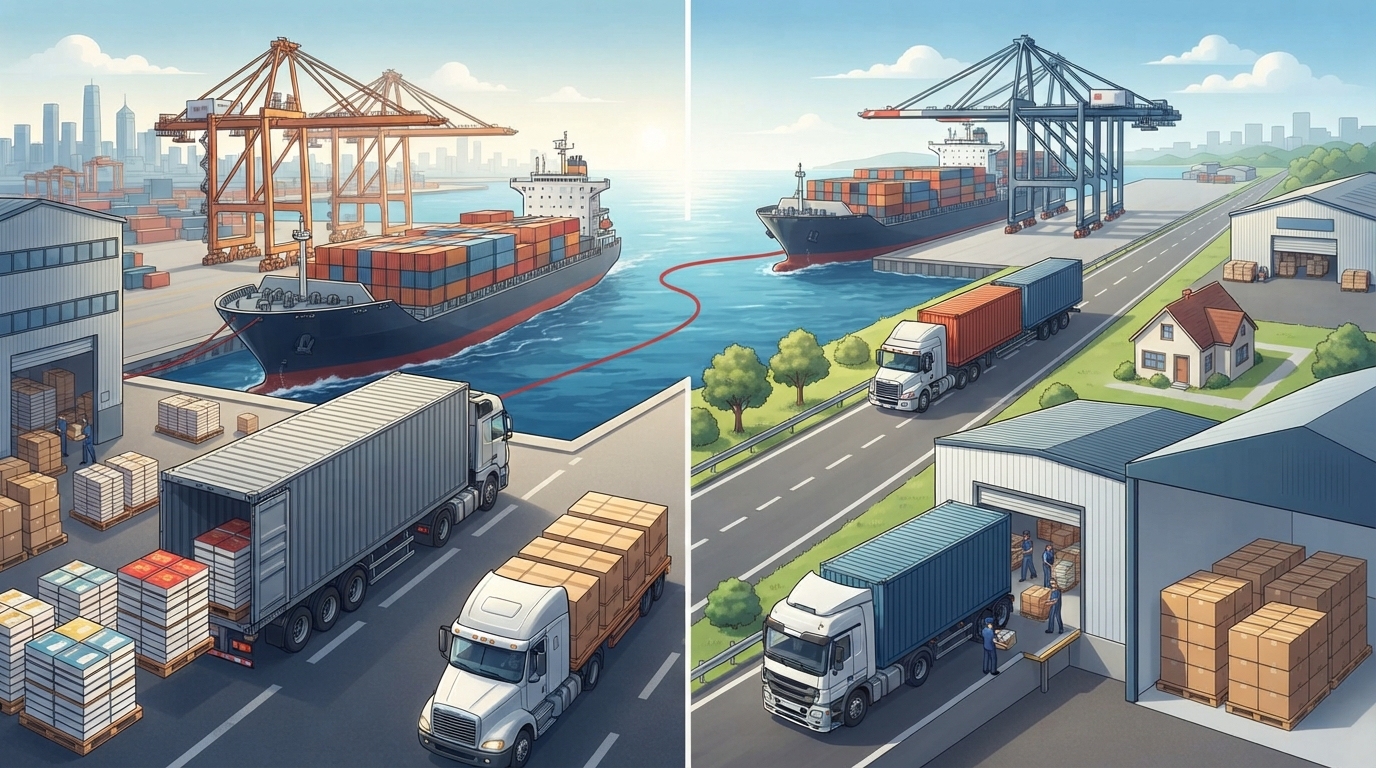
Shipping and logistics: Freight charges depend on shipment weight, destination, delivery method, and packaging dimensions. International orders may also involve customs duties, taxes, and import handling fees.
Project management and revisions: File corrections, specification changes, or additional proof rounds can increase the final cost.
When comparing quotes, ask whether the price includes printing, hardcover binding, packaging, proofing, and delivery. This makes it easier to compare suppliers on an equivalent basis.
5. How to Reduce the Cost of Printing 1,000 Hardcover Books
You do not need to sacrifice quality to manage your hardcover book printing budget.
Choose Standard Specifications
Standard book dimensions, commonly available paper stocks, and conventional binding options can simplify manufacturing and reduce material waste.
Optimize the Page Count
Review the layout, margins, font size, illustrations, and chapter spacing. A more efficient design can reduce the number of pages while preserving readability.
Simplify Decorative Finishing
Special textures, metallic foil, embossing, and custom inserts can make a book distinctive, but each additional feature may increase the production cost. Prioritize the finishing elements that contribute most to your intended design.
Compare Multiple Printing Quotes
Request detailed quotations from at least three qualified printing suppliers. Compare the same specifications, including quantity, size, page count, paper weight, color requirements, binding, and delivery terms.
A lower unit price does not necessarily mean a lower total cost if shipping, finishing, or setup fees are excluded.
Plan Production and Shipping Early
Last-minute orders may limit your shipping choices and increase logistical expenses. Allow sufficient time for proof approval, manufacturing, inspection, and transportation.
If you are ordering internationally, request separate pricing for production and freight so you can evaluate the full landed cost.
6. How to Choose a Hardcover Book Printing Company
While price is essential, the quality of the production and reliability of the supplier also play a role.
Search for a hardcover printing company that has expertise in making hardcover books, appropriate printing machinery, quality management systems, and can deliver the required deadline.
Request to see samples of similar projects. Look at the alignment of the covers, the construction of the spine, the trimming of the pages, the consistency of colors, the opacity of the paper, and the binding strength.
Additionally, you want to check the production schedule, payment conditions, quality control and defective copy policy.
In case of manufacturing overseas, specify the person responsible for export documentation, freight, customs clearance and shipment to your warehouse/ destination.
The supplier should be able to give a detailed quotation for your requirements, and provide clear information about how the product is made.
7. Is Printing 1,000 Hardcover Books Worth It?
If there is a specific audience and distribution channels, or a definite plan to sell or distribute the printed books, then printing 1000 copies of hardcover books can be affordable.
Hardcover editions are allowed for premium releases or for authors to sign or for their use in special collections. Companies can create custom-made books for customers, staff, events and promotions. Hardback books are available for order by school or organization for long-term use.
Estimate the number of sales or distribution needed before placing a large order. There is a trade-off between the number of copies printed and the unit cost – a large number of copies can lower the unit price, but unsold copies will be a risk.
For commercial projects, sum up all production, packaging, shipping and import costs and divide by the number of books that are actually delivered.
This offers a more realistic basis to make price decisions and return-on-investment calculations.
Conclusion
The typical price for printing 1,000 hardcover books is around $4,000 to $15,000, and for premium and full-color books, it can be much higher.
Final price based on book size, number of pages, quality of paper used, interior printing, hardcover materials, finishing, packaging and delivery.
To get the most out of the deal, create a thorough specification sheet, shop around for similar quotes from suppliers, ask for a physical proof, and estimate shipping expenses before placing your order.
The best way to know your actual hardcover book printing expenses is to ask for a custom quote according to the specifics and delivery needs of your book. Even though it’s a challenging process, with a little planning you can come up with a professional-looking finish and not break the bank.
Share on Social:


