

How Much Does It Cost to Print 500 Children’s Books?
For independent authors, publishers, teachers and companies that want to print a smaller run of children’s books, this is a viable printing choice. Printing cost for a children’s book can vary depending on the book size, number of pages, paper quality, binding type, colour printing and finishing options.
The total estimated cost of printing a 500 copy print run of children’s books ranges from about $1.50 to $8.00 or higher, depending on the specifications and printing method. Less complex books with fewer pages will be cheaper, and full-color, hardcover books with nice paper and complicated finishes will be expensive.
If you know these cost elements you can select you printing requirements, understand what your suppliers are quoting and ensure you are within your publishing budget.
1. Average Cost to Print 500 Children’s Books
Children’s books can cost a wide range of prices, depending on the design and production. A short paperback storybook will typically be easier on the wallet than a big format, full color illustrated picture book.
The data in the table below are only examples of what might happen when 500 books are used.
| Children’s book type | Estimated cost per copy | Estimated total for 500 |
|---|---|---|
| Simple black-and-white activity book | $1.00–$2.50 | $500–$1,250 |
| Full-color paperback picture book | $2.00–$4.50 | $1,000–$2,250 |
| Full-color illustrated storybook | $2.50–$5.00 | $1,250–$2,500 |
| Hardcover children’s picture book | $4.00–$8.00+ | $2,000–$4,000+ |
| Premium children’s book with special finishes | $5.00–$10.00+ | $2,500–$5,000+ |
These are indicative budgeting figures not fixed market prices. The actual prices are dependent on the printer, location of manufacture, paper specification, production schedule and shipping arrangements. They might not include illustration, editing, typesetting, taxes, and other publishing costs.
For many independent authors, a standard full-color paperback picture book is a good place to start with a 500-copy print run.
2. What Factors Affect Children’s Book Printing Costs?
Several production decisions determine the final cost of printing 500 children’s books.
Book Size and Dimensions
The physical dimensions of a children’s book affect paper consumption, printing efficiency, and finishing costs.
Common formats include:
- 8.5 × 8.5 inches for square picture books.
- 8 × 10 inches for illustrated children’s stories.
- 8.5 × 11 inches for activity books and educational workbooks.
- A4 or other custom dimensions for international publishing projects.
Larger books typically require more paper and may generate additional production waste. However, printers can sometimes arrange multiple pages efficiently on standard printing sheets, reducing the impact of size on unit cost.
Choosing a standard format instead of a highly customized size can help control manufacturing expenses.
Page Count
Page count is another major cost factor. A 24-page picture book usually requires fewer printing resources than a 48-page book with the same dimensions and paper quality.
Many children’s picture books contain 24, 32, or 40 pages, although the appropriate length depends on the story and intended audience.
When estimating costs, clarify whether the quoted page count includes the cover. Printers commonly calculate the interior pages and cover separately.
Reducing unnecessary pages can lower printing costs, but the story should remain complete and visually engaging. For children’s books, illustration quality and page layout are often more important than minimizing the page count alone.
Color Printing
Full-color printing is particularly important for children’s picture books because illustrations, characters, and visual storytelling play a central role in the reading experience.
Black-and-white interiors are generally less expensive to produce than full-color interiors. If your book contains colorful illustrations on every page, request a quotation for full-color printing throughout the interior.
For books with only a few color pages, ask whether mixed-color production is practical. However, using separate color and black-and-white sections may introduce additional setup or finishing requirements.
The best choice depends on the book’s creative purpose and the visual expectations of your readers.
Paper Quality
Paper selection affects the book’s appearance, durability, weight, and price.
Common options include:
- Uncoated paper: Suitable for writing, coloring, and educational activities.
- Coated art paper: Helps produce vivid colors and sharp illustrations.
- Matte-coated paper: Creates a softer visual appearance with reduced glare.
- Gloss-coated paper: Provides bright colors and a shiny finish.
For illustrated picture books, coated paper is often preferred because it reproduces artwork effectively. For activity books, uncoated paper may be more practical because children can draw or write on it.
Paper weight also matters. Heavier paper can feel more substantial, but it increases material costs and shipping weight.
Binding Method
The binding method influences both durability and overall printing cost.
Paperback binding is often the most economical choice for independent publishing. Perfect binding provides a conventional book appearance, while saddle stitching can work well for shorter books with a suitable page count.
Hardcover binding offers greater durability and a premium presentation. It is frequently chosen for gift books, library editions, and high-quality picture books, but it generally costs more because of the additional materials and manufacturing steps.
For a first print run of 500 copies, paperback binding can be a cost-effective way to test demand before investing in a more expensive hardcover edition.
3. Offset Printing vs. Digital Printing for 500 Copies
Choosing the right printing method is essential when ordering 500 children’s books.
Digital Printing
Digital printing transfers digital files directly to the printing equipment without requiring conventional printing plates.
Its main advantages include lower setup costs, flexible production quantities, and the ability to produce small batches economically.
Digital printing may be suitable for 500 copies when the book has a relatively simple specification or when the printer offers competitive short-run pricing.
However, unit costs may remain higher than those of offset printing for certain full-color projects.
Offset Printing
Offset printing uses plates to transfer ink onto paper. Although the initial setup costs are higher, the cost per copy can decrease as the order quantity increases.
Offset printing is often attractive for full-color picture books, particularly when consistent color reproduction and specialized paper options are important.
For 500 copies, the difference between digital and offset pricing depends on page count, trim size, paper, binding, and the printer’s production capacity.
The best approach is to request quotations for both methods. Compare the total delivered cost rather than evaluating only the advertised price per book.
4. Additional Costs Beyond Printing
The printing invoice is not necessarily the total cost of publishing a children’s book.
Before confirming your budget, consider the following expenses.
Illustration and Graphic Design
Professional illustrations can represent a substantial part of the overall publishing budget. Costs depend on the number of illustrations, artistic complexity, revision requirements, and the illustrator’s experience.
Cover design, typography, page layout, and file preparation may also require separate fees.
If the book is already professionally designed and the files meet the printer’s technical requirements, you can focus your budget on manufacturing.
Proofing and Sample Copies
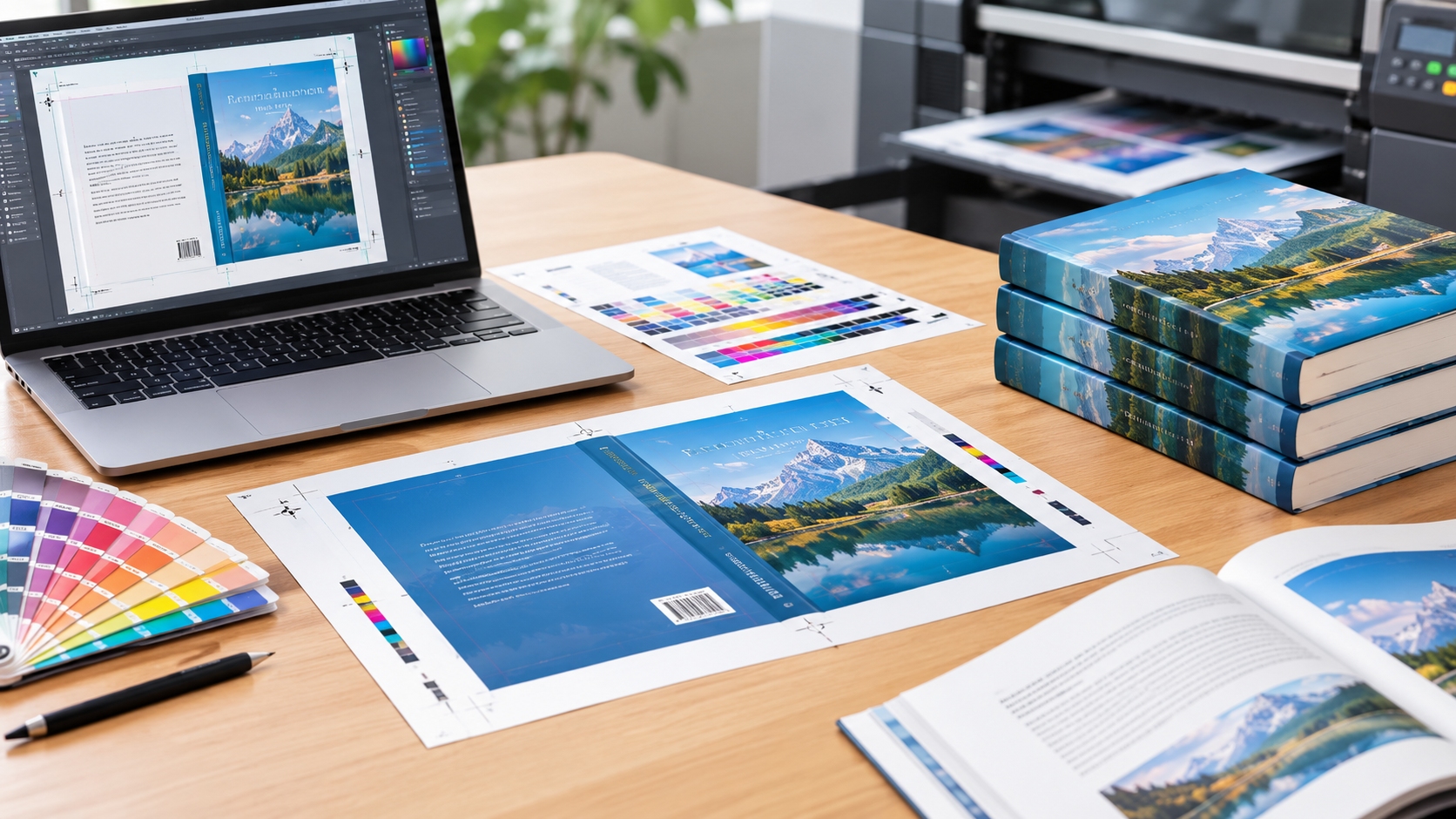
Ordering a physical proof before mass production helps identify issues with color, image placement, text readability, and paper selection.
A sample may cost more per copy than the final bulk order, but it can prevent expensive mistakes across all 500 books.
Check page order, trim margins, cover alignment, binding strength, and color consistency before approving production.
Packaging and Shipping
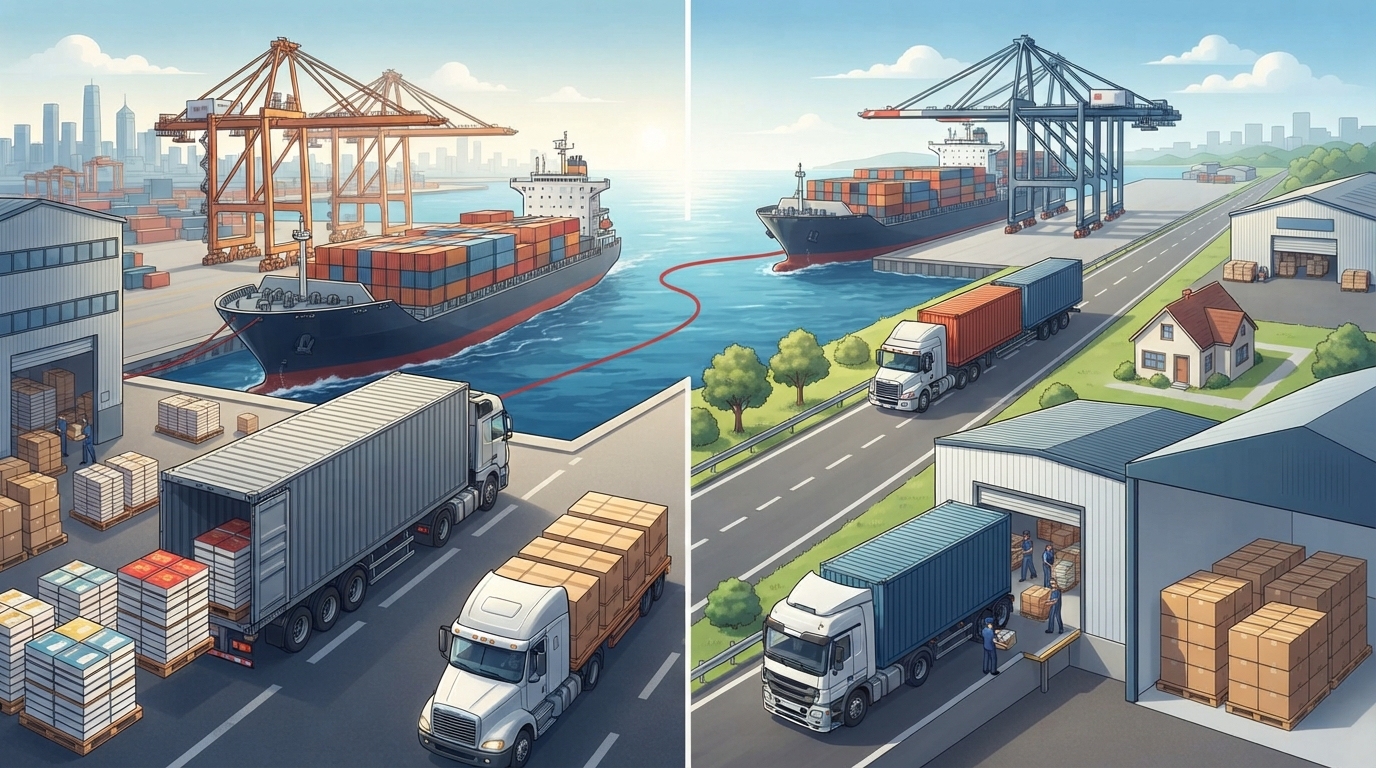
Shipping can significantly affect the final cost, especially for hardcover books or orders produced overseas.
The total delivered cost may include cartons, protective packaging, freight, customs duties, import taxes, and local delivery charges.
Always ask whether the supplier’s quotation includes shipping to your destination. Comparing an ex-factory price with a fully delivered quotation can produce misleading results.
5. How to Reduce the Cost of Printing 500 Children’s Books
There are several ways to make a 500-copy print run more affordable without sacrificing essential quality.
Choose a standard book size. Standard dimensions can improve printing efficiency and reduce paper waste.
Optimize the page count. Organize the story and illustrations efficiently while maintaining a natural reading experience.
Select paper according to the book’s purpose. Premium paper is valuable for picture books, but not every project requires the heaviest available stock.
Compare paperback and hardcover options. A paperback edition may be suitable for general retail, classroom distribution, or an initial market test.
Request itemized quotations. Ask suppliers to separate printing, binding, proofing, packaging, shipping, and other fees.
Prepare print-ready files. Correctly formatted artwork, embedded fonts, suitable image resolution, and proper bleed settings can reduce file-preparation charges and production delays.
Plan ahead. Standard production schedules may be more economical than urgent orders that require expedited manufacturing or delivery.
When comparing quotations, make sure every supplier is pricing the same book specifications. Otherwise, the lowest quotation may reflect thinner paper, a different binding method, or fewer production services.
6. Is Printing 500 Children’s Books Cost-Effective?
Printing 500 copies can be a sensible choice for authors who want to test the market, sell books through their own websites, supply schools, or distribute educational materials.
For example, suppose a printer quotes $3.00 per copy for a full-color paperback children’s book.
The printing cost would be:
500 copies × $3.00 = $1,500.
If shipping and packaging cost another $300, the total manufacturing and delivery expense would be $1,800, or $3.60 per book.
This calculation excludes editing, illustration, marketing, platform fees, and other business expenses.
If the author sells each book for $12.00, the difference between the selling price and the $3.60 delivered production cost is $8.40 per copy before those additional expenses. This is not the same as net profit, because sales channels, discounts, taxes, returns, and overhead also affect profitability.
A realistic budget should therefore include both production costs and the expenses required to bring the book to market.
7. How to Get an Accurate Quote for 500 Children’s Books
To obtain an accurate children’s book printing quotation, prepare a clear specification sheet for potential suppliers.
Include the following information:
- Order quantity: 500 copies.
- Finished book size and orientation.
- Total interior page count.
- Full-color or black-and-white printing.
- Paper type and paper weight.
- Paperback or hardcover binding.
- Cover finish, such as matte or gloss lamination.
- Required delivery location and deadline.
- Whether you need a physical proof or packaging customization.
When in doubt about the kind of paper or binding, ask for 2 or 3 options at various price points. This will help you to balance the look, durability, and cost.
On foreign orders, request the supplier to provide the production lead time, shipping method, estimated time and any other charge not covered. The detailed quotation is an important way of avoiding unwanted costs and helping to ensure accurate supplier comparisons.
Conclusion
Printing 500 children’s books will depend largely on book dimensions, number of pages, color printing, paper quality, binding and delivery needs. Generally speaking, a paperback book can be expected to run about $1.50 to $4.50 per book, and a premium hardcover picture book about $4.00 to $8.00 or more.
The best option for authors and publishers is to establish the specification of the book in the first place, and then research the digital and offset printing options to find the most cost-effective solution based on the total delivered volume price.
When ordering an illustrated storybook, a classroom book, or a customized book for retail, it’s best to get itemized quotes from a few reputable printers to help you make the best decision, and to approach your 500-book print run with confidence.
Share on Social:


