

Offset vs Digital Book Printing: Which Is Better for Bulk Orders?
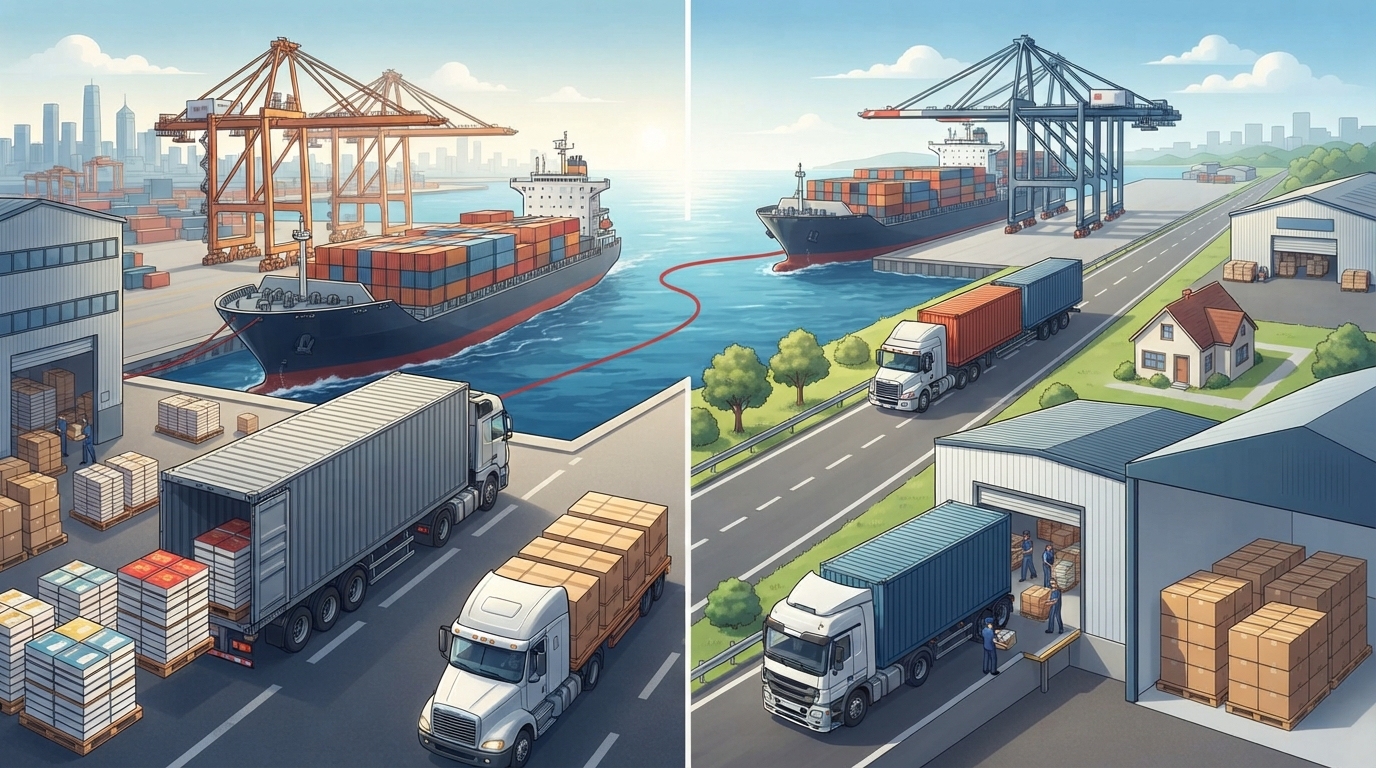
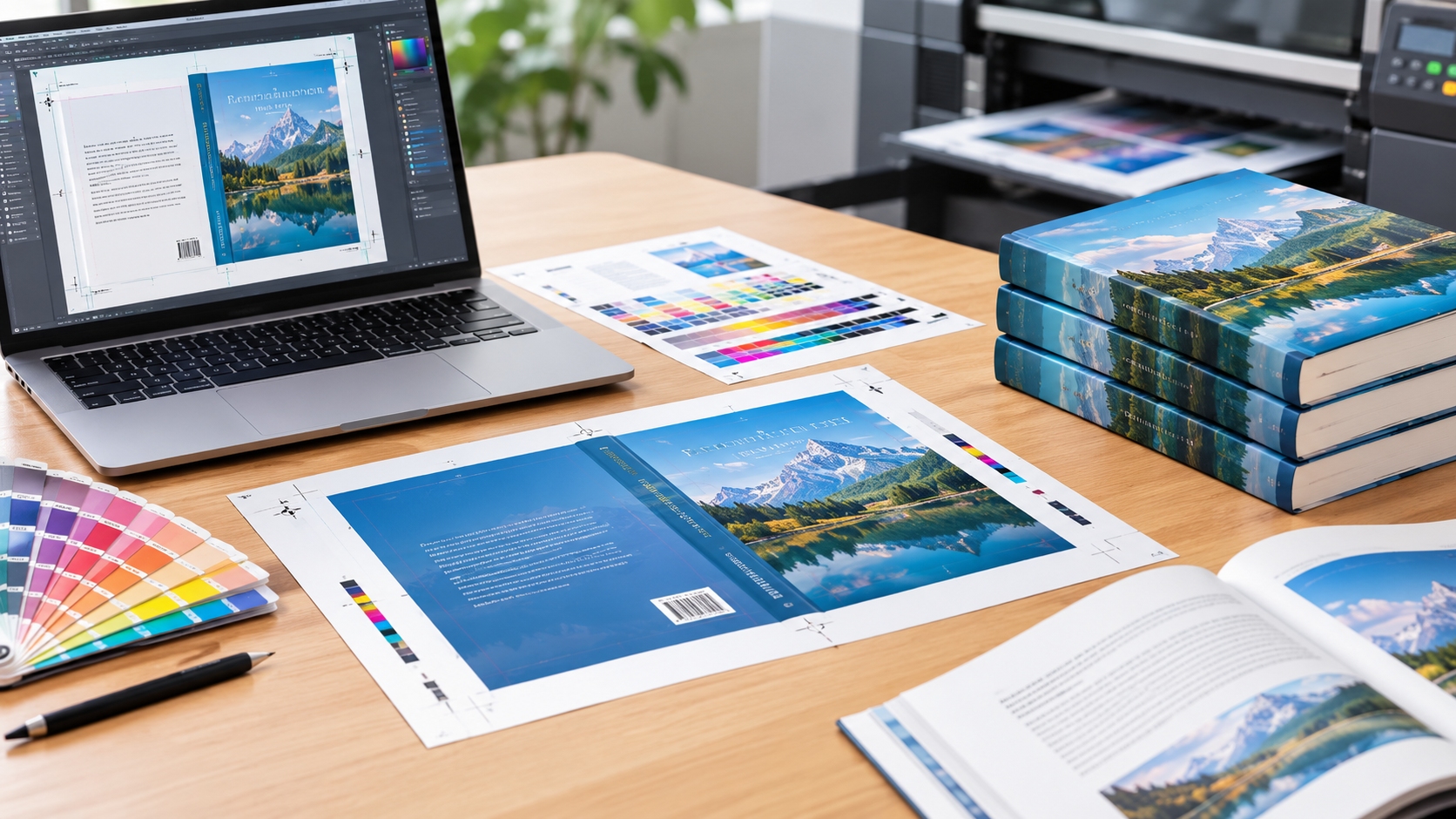

When deciding on offset book printing vs. digital book printing, publishers, authors, educational institutions and businesses that are ordering in bulk need to make a decision. While both types of printing have their own pros and cons, the choice between the different methods depends on the order volume, budget, print quality, customization requirements, and delivery timeline.
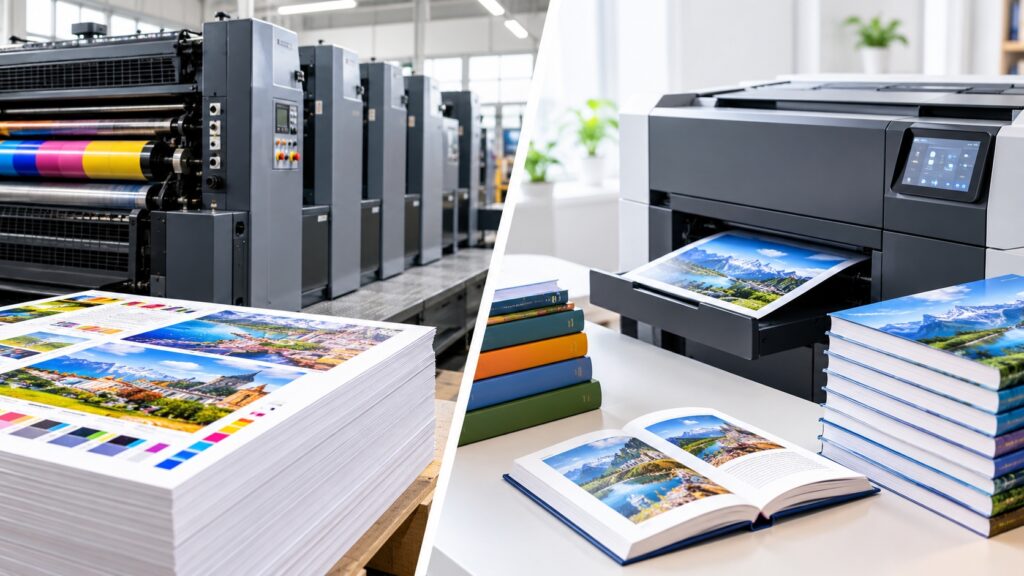
Offset printing may be the low cost option when the quantity is large, as the unit cost reduces as the quantity goes up. Digital printing, on the other hand, benefits from quick set up, low start-up costs and customisation options for short runs and personalised books.
This guide contrasts the printing methods of offset or digital book printing for you to understand which of them has the advantage in terms of bulk printing and which printing solution you should go with for your project.
What Is Offset Book Printing?
Offset printing is a standard commercial printing process which applies ink to a printing plate and then to a rubber blanket, and finally to paper. It is used extensively for large print runs of books such as novels, textbooks, children’s books, catalogues and hardcover books.
The printer creates plates for the different colors of the ink before printing. This preparation can be time intensive and expensive, but very efficient if making thousands of copies.
Advantages of Offset Printing
1. Lower Unit Cost for Large Orders
Offset printing requires an initial investment in plate preparation and machine setup. However, these costs are distributed across the entire print run. As the quantity increases, the cost per book generally decreases.
For publishers ordering 1,000, 3,000, 5,000, or more copies, offset printing can provide significant savings.
2. Consistent Print Quality
Offset printing delivers consistent colors, sharp text, and detailed images across large production runs. This makes it suitable for illustrated books, premium publications, textbooks, and branded materials.
3. Wide Paper and Finishing Options
Offset printing supports a broad range of paper stocks, coatings, and finishing techniques. Depending on the printer’s equipment, options may include matte or gloss lamination, foil stamping, embossing, and specialized cover finishes.
4. Efficient Large-Scale Production
Once the press is running, offset printing can produce large quantities efficiently. This makes it a practical solution for publishers and businesses with predictable demand.
Disadvantages of Offset Printing
The main disadvantage is the higher initial setup cost. Plate preparation, color calibration, and press setup can make small orders expensive.
Offset printing may also require longer lead times because of prepress preparation, production scheduling, drying, and finishing. It is generally less economical when frequent content changes or individualized copies are required.
What Is Digital Book Printing?
Digital printing transfers book content directly from digital files to paper using technologies such as toner-based or inkjet printing. Unlike offset printing, it does not require traditional printing plates.
This streamlined process makes digital printing especially useful for short runs, on-demand publishing, test editions, and books that need frequent revisions.
Advantages of Digital Printing
1. Lower Setup Costs
Digital printing eliminates the need for conventional printing plates. As a result, it is often more affordable for small quantities and initial book orders.
2. Faster Turnaround
With fewer setup steps, digital book printing can move from approved files to production quickly. It is particularly useful for urgent orders, samples, and publications with tight deadlines.
3. Flexible Customization
Digital printing makes it easier to personalize individual copies or print different versions within the same order. Businesses can use this flexibility for customized manuals, training materials, workbooks, and marketing publications.
4. Print-on-Demand Capabilities
Authors and publishers can print books as needed instead of maintaining large inventories. This reduces the risk of overproduction, excess storage costs, and unsold stock.
Disadvantages of Digital Printing
The cost per copy is often higher than offset printing for large, standardized orders. The exact difference depends on page count, paper selection, color coverage, binding, and equipment.
Digital printing can also have limitations in paper compatibility, sheet size, specialty finishes, or color consistency compared with particular offset production setups. However, modern digital presses can deliver excellent quality for many commercial book projects.
Offset vs Digital Book Printing: Key Differences
The following comparison highlights the main differences between the two methods.
| Factor | Offset Printing | Digital Printing |
|---|---|---|
| Initial setup cost | Higher | Lower |
| Cost per copy at high volumes | Usually lower | Usually higher |
| Small print runs | Less economical | More economical |
| Large print runs | Highly cost-effective | Depends on specifications |
| Turnaround time | Often longer initially | Often faster |
| Color consistency | Excellent for long runs | Excellent with suitable equipment |
| Personalization | More complex | Easier |
| Content updates | Requires new plates and setup | Simple file changes |
| Inventory management | Suited to planned bulk production | Suited to on-demand production |
| Specialty finishing | Broad options | Depends on equipment |
These are general guidelines rather than fixed rules. A printer’s equipment, production capacity, paper sourcing, and finishing services can influence the final result.
Which Printing Method Is Better for Bulk Orders?
For bulk book printing, the most suitable method depends on how many copies you need and whether every copy will be identical.
1. Orders of 100–300 Copies
Digital printing is often the better starting point for smaller orders. It avoids significant plate setup costs and allows authors or businesses to test a publication before committing to a larger quantity.
It can be especially useful for independent authors, limited-edition books, small training manuals, and pilot projects.
2. Orders of 500–1,000 Copies
This quantity represents a transition point where both methods deserve consideration.
Digital printing may remain competitive for shorter books or projects with limited color requirements. Offset printing may become more attractive for full-color books, longer page counts, or publications requiring extensive finishing.
Request quotations for both methods rather than relying on a universal quantity threshold.
3. Orders of 1,000–5,000 Copies
Offset printing is often the preferred choice for standardized books in this range, especially when the books contain many pages or full-color illustrations.
The initial setup cost is spread across more copies, helping reduce the average production cost. This is a common approach for educational publishers, commercial book distributors, and businesses ordering books for repeated distribution.
4. Orders Above 5,000 Copies
For large orders of identical books, offset printing will often offer a strong cost advantage. It can deliver consistent results and efficient production at scale.
However, digital printing may still be appropriate when the order contains multiple versions, personalized content, or unpredictable demand. The most economical solution should be determined by comparing complete quotations.
How to Calculate the Total Cost of Book Printing
Comparing only the price per copy can lead to misleading decisions. Instead, evaluate the total landed cost of the order.
A complete quotation should include:
- Prepress and setup fees
- Interior printing costs
- Cover printing and finishing
- Paper type and paper weight
- Binding method
- Proofing and sample production
- Packaging and carton specifications
- Shipping, duties, and delivery charges where applicable
For example, imagine that a publisher needs 2,000 copies of a 200-page paperback. Offset printing may have a higher initial setup fee but a lower production cost per copy. Digital printing may require less setup investment but charge more for each printed page.
To compare the options, calculate:
Total order cost = Setup costs + Printing costs + Binding and finishing + Packaging and shipping
Then divide the total by the number of acceptable finished copies to determine the actual cost per book.
Always compare quotations with the same specifications, including trim size, page count, paper, color requirements, binding, and delivery destination.
Factors to Consider Before Choosing a Printing Method
Book Size and Page Count
Longer books require more paper and printing time, which can significantly affect the total price. Large page counts may make offset printing more attractive for substantial orders.
Color or Black-and-White Printing
Books with full-color photography, illustrations, or graphics should be evaluated using actual production samples. Offset printing can be particularly competitive for high-volume color production, while digital printing may be ideal for short runs.
Paper Quality
Paper affects appearance, durability, readability, and cost. Options may include coated paper for vivid images, uncoated paper for comfortable reading, and lightweight paper for publications with high page counts.
Binding and Finishing
Paperback, hardcover, saddle-stitched, and other binding styles have different production requirements. Specialty finishes may also affect the price and production schedule.
Delivery Deadline
If a book must be ready for an upcoming event, product launch, or academic term, digital printing may offer a practical speed advantage. For larger offset orders, allow enough time for prepress, printing, binding, quality control, and shipping.
Future Reorders
If demand is predictable and you expect to reorder thousands of identical copies, offset printing may provide better long-term value. If demand is uncertain or content changes frequently, digital printing can reduce inventory risk.
Can You Combine Offset and Digital Printing?
Yes. Some publishers use a hybrid strategy to balance cost and flexibility.
For example, a publisher might use offset printing for a large batch of standard textbooks and digital printing for small quantities of revised editions or region-specific versions.
Another approach is to print a digital sample for approval before placing a large offset order. This helps identify layout, image, color, and binding issues before full-scale production begins.
A hybrid strategy can be particularly useful for publishers managing several book titles with different sales volumes.
How to Choose a Reliable Bulk Book Printing Supplier
Selecting the right printing supplier is just as important as choosing the printing method.
Look for a manufacturer or printing partner that can provide:
- Clear, itemized quotations for offset and digital printing
- Suitable paper and binding options
- Physical samples or printed proofs
- Documented quality-control procedures
- Transparent production timelines
- Secure packaging and reliable international shipping
- Experience handling your specific book format
Before confirming a large order, request a quotation based on your exact specifications. Ask the supplier to explain how the price changes at different quantities, such as 500, 1,000, 2,000, and 5,000 copies.
This approach helps you identify the quantity at which offset printing becomes more economical for your particular project.
Conclusion: Offset or Digital Printing for Bulk Books?
Both offset and digital printing are useful and have their own merits but are used to meet different production requirements.
For large quantities of identical books, offset printing is usually the more desirable choice as it will often be the more cost-effective unit of production, of consistent quality and consistency.
Digital printing is typically suitable for smaller runs, time-sensitive projects and personalized publications due to lower set up costs, quicker turnaround and more flexibility.
If orders are in the thousands or more, comparing can be a judicious approach to determine the best value. The final selection must not be made based on quantity alone, but rather on the total production cost, book specifications, quality criteria and delivery time.
When ordering bulk book printing, the key to a successful project is knowing the number of pages, trim size, paper specification, binding type, color requirements, order quantities and delivery location prior to requesting quotations. Accurate specifications and a good partner for printing ensure that you get the desired quality, cost and production efficiency.
Share on Social:


