

How Much Does It Cost to Print 1,000 Custom Calendars?

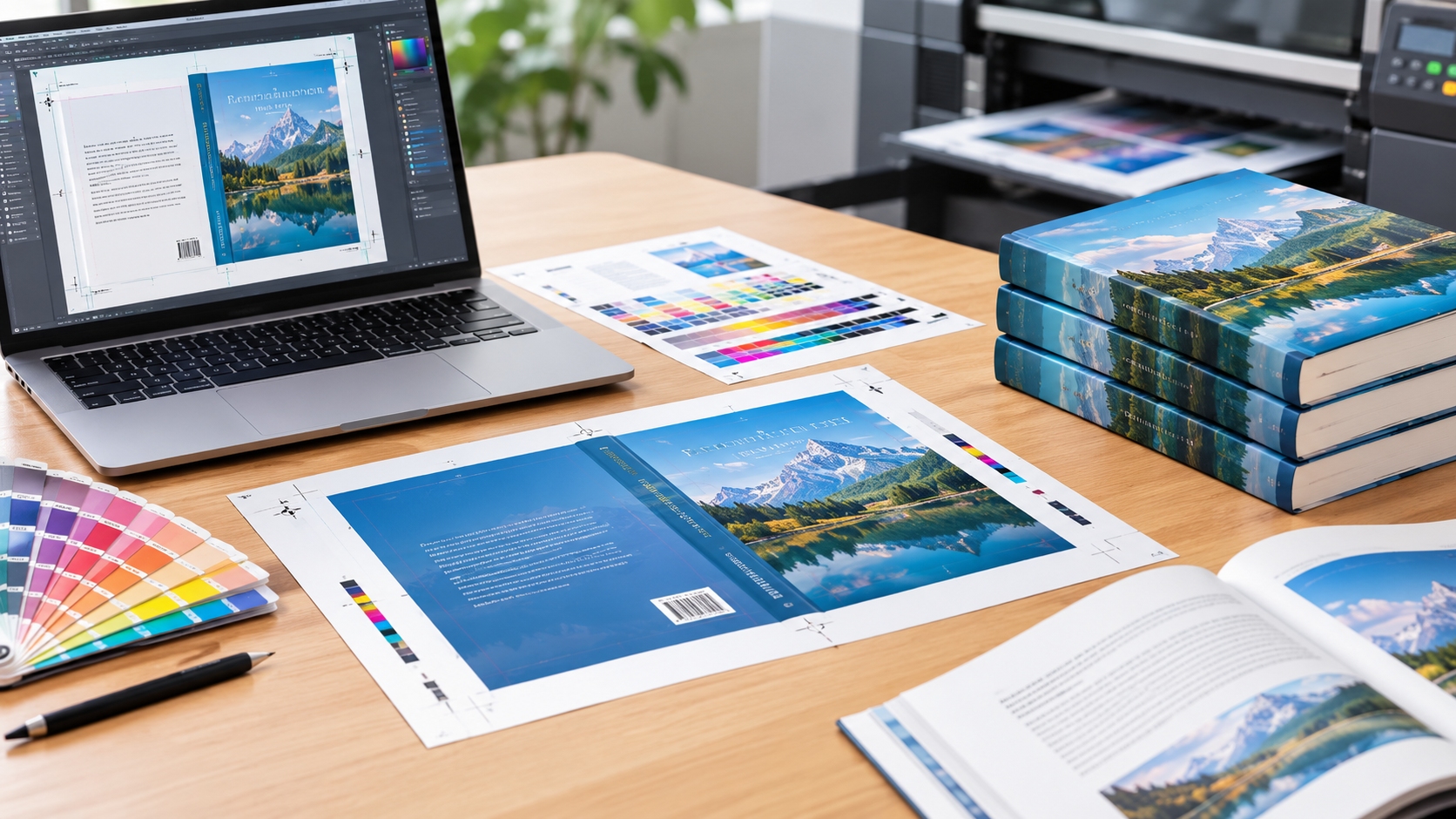

The printing of 1000 custom calendars is an excellent means for any business, retailer, school or organization to market their brand throughout the year. The cost of wall, desk, promotional or personalized photo calendars is determined by the calendar format, paper quality, printing process, binding, finishing, and packaging.
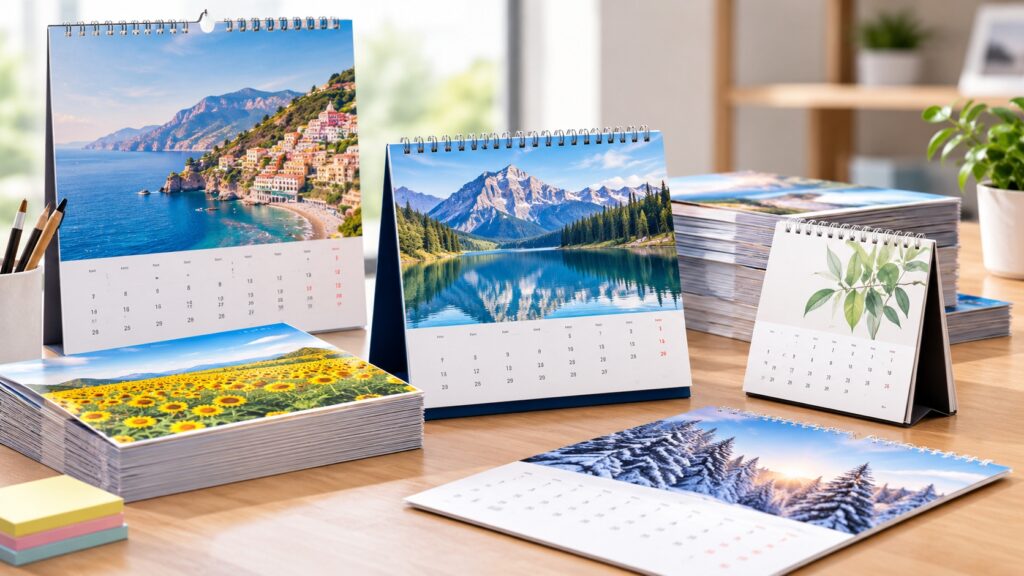
The price of printing 1,000 custom calendars is usually between $1000 and $5000, or even more, and varies according to the dimensions and supplier. Simple designs printed in bulk will certainly be much less expensive per unit, while premium calendars which are made from thick paper, finish as well as customized packaging will certainly demand a bigger budget.
This guide delves into the key elements that influence custom calendar printing expenses, offers price ranges, and offers tips for cutting costs without sacrificing quality.
1. How Much Does It Cost to Print 1,000 Calendars?
The cost of printing 1,000 copies of calendar depends on the size, format, material, and complexity of production. The figures below are general planning figures and do not represent actual supplier quotes. The actual price varies depending on printer, specifications, shipping location and order date.
| Calendar Type | Estimated Cost for 1,000 Units | Estimated Cost per Unit |
|---|---|---|
| Standard wall calendars | $1,000–$2,500 | $1.00–$2.50 |
| Desk calendars | $800–$2,000 | $0.80–$2.00 |
| Premium wall calendars | $2,000–$4,000 | $2.00–$4.00 |
| Custom photo calendars | $1,500–$3,500 | $1.50–$3.50 |
| Luxury calendars with special finishes | $3,000–$5,000+ | $3.00–$5.00+ |
The above figures are estimates only and may not include design services, tax, shipping or special packaging. The simpler a product is, the lower the price may be offered by some suppliers, and short production lead time or difficult product specifications can also drive up the price.
For instance, if the price of printing 1,000 copies of a calendar is $1,800, at a supplier, printing costs $1,800 per calendar. With Packaging/Shipping at an additional $400, the project cost is $2200 or $2.20 per calendar.
2. What Factors Affect Custom Calendar Printing Costs?
Understanding the major cost factors helps you choose the right specifications and obtain more accurate quotes from calendar printing manufacturers.
Calendar Size and Format
Calendar dimensions directly influence paper consumption, printing efficiency, and finishing costs.
Common formats include:
- Wall calendars: Usually larger, with ample space for photographs, illustrations, branding, and monthly dates.
- Desk calendars: Compact and suitable for office desks, reception counters, and promotional gifts.
- Poster calendars: Feature a single large printed sheet, often making them a cost-effective option.
- Tent calendars: Fold into a triangular standing structure and commonly use spiral or wire binding.
- Custom photo calendars: Include personalized images, themed layouts, or company-specific content.
Larger calendars generally require more material, while complex folding structures and custom dimensions can increase setup and finishing expenses.
Paper Quality and Thickness
Paper selection affects both appearance and durability. Standard coated paper is often suitable for affordable promotional calendars, whereas premium coated stock provides stronger color reproduction and a more professional finish.
Typical options include:
- 128–157 gsm coated paper for economical calendar pages.
- 200–250 gsm paper for sturdier pages and covers.
- 250–350 gsm cardstock for rigid covers, depending on the product design.
- Recycled paper for businesses prioritizing sustainability.
The best paper weight depends on the calendar format and intended use. For instance, desk calendars benefit from sturdy backing, while wall calendars may prioritize image quality and convenient page turning.
Using premium paper throughout the entire calendar can increase costs. A practical alternative is to use higher-quality cardstock for the cover and lighter paper for the monthly pages.
Printing Method: Offset or Digital
Printing technology is another important factor in determining the cost of 1,000 custom calendars.
Offset printing is generally suitable for bulk orders with consistent designs and large quantities. Although setup costs can be higher, the cost per unit often becomes more competitive as production volume increases.
Digital printing requires less setup and is useful for short runs, personalized content, or designs that change between copies. However, the unit price may be higher for certain specifications and quantities.
For an order of 1,000 identical calendars, offset printing is often worth comparing against digital printing. Requesting quotations for both methods can help you identify the most economical option.
Binding and Finishing
Binding determines how easily calendar pages turn and how the finished product looks.
Common binding options include wire-O binding, spiral binding, saddle stitching, and glued or custom-bound formats. Wire-O and spiral binding are popular for wall and desk calendars because they allow pages to turn conveniently.
Additional finishing options may include:
- Matte or gloss lamination.
- Spot UV coating for selected design elements.
- Foil stamping for logos or decorative details.
- Embossing or debossing.
- Die-cut shapes and custom hangers.
These features can improve visual appeal but increase production costs. For mass promotional distribution, standard binding and a clean full-color design are often sufficient.
3. Does the Number of Pages Affect the Price?
Yes. There are 12 pages of each month on most wall calendars, and there are some with a cover and some with an extra introductory page. Depending on the design, a desk calendar can have a different layout for pages.
The more pages, the more paper, printing, binding and assembling are needed. Where each calendar is 12 full colour monthly pages plus a cover, the printer will need to work out the cost of a whole page set and not just a single sheet.
One of the ways to control costs is by eliminating unnecessary pages. The removal of pages should not detract from the usability or intended use of the calendar, however.
Include the number of pages, single-sided or double-sided printing and if the cover is different from the interior pages when requesting a quotation.
4. How to Reduce the Cost of Printing 1,000 Custom Calendars
If your budget is limited, several production decisions can lower the overall cost without sacrificing essential quality.
Choose Standard Sizes
Standard calendar sizes generally fit established printing and finishing processes. Custom dimensions may require special cutting, additional setup, or less efficient paper layouts.
Ask your supplier which standard sizes offer the best value for your design.
Simplify the Design
A clean design with consistent branding, well-organized dates, and high-quality images can look professional without expensive decorative effects.
Avoid unnecessary foil stamping, complex die-cutting, and multiple finishing processes unless they support your marketing goals.
Compare Multiple Suppliers
Request quotations from at least three calendar printing companies. Ensure that every supplier quotes the same specifications, including size, page count, paper weight, color printing, binding, packaging, and delivery terms.
A lower initial quotation does not always mean a lower final cost. Confirm whether setup fees, sample production, shipping, and taxes are included.
Order in Larger Quantities When Appropriate
The cost per calendar often decreases as order volume increases because setup and production costs are distributed across more units.
If you expect to distribute calendars to customers, employees, and business partners, compare prices for 1,000, 2,000, and 3,000 units. Only order more than necessary when the savings justify storage costs and the risk of unused inventory.
Finalize Artwork Before Production
Last-minute artwork changes can delay production and create additional costs. Prepare print-ready files with the correct dimensions, bleed, resolution, color settings, and font handling according to the printer’s requirements.
Request a digital proof or physical sample when appropriate, especially for premium calendars or projects with strict branding requirements.
5. How to Choose a Custom Calendar Printing Manufacturer
Choosing the right printing partner is essential for balancing cost, print quality, and delivery reliability.
When evaluating calendar printing manufacturers, consider the following factors:
Production experience: Look for suppliers experienced in manufacturing wall calendars, desk calendars, promotional calendars, and other relevant formats.
Customization capabilities: Confirm that the manufacturer can accommodate your preferred dimensions, paper stock, binding, finishing, and packaging.
Quality control: Ask how the supplier checks color consistency, page alignment, cutting accuracy, binding strength, and finished product quality.
Sample availability: Reviewing a sample can help you assess paper texture, print clarity, and overall construction before approving a large order.
Delivery and packaging: Confirm the production schedule, shipping method, packaging requirements, and delivery deadline before placing your order.
For overseas orders, clarify whether the quotation covers shipping, customs-related charges, and delivery to your specified address. International production may offer competitive manufacturing prices, but transportation costs and lead times must be considered.
6. What Information Do You Need for an Accurate Printing Quote?
To obtain a reliable quote for 1,000 custom calendars, prepare a clear specification sheet containing:
- Quantity: 1,000 calendars.
- Calendar format: wall, desk, tent, or poster.
- Finished size and page count.
- Paper type and weight.
- Full-color or black-and-white printing.
- Binding method and finishing requirements.
- Artwork readiness and design service requirements.
- Individual packaging or bulk packing preferences.
- Shipping destination and required delivery date.
Providing these details helps suppliers calculate material consumption, production time, finishing expenses, and freight charges more accurately.
It also makes it easier to compare quotations on an equal basis rather than choosing a supplier solely by the headline price.
7. Are Custom Calendars Worth the Investment for Businesses?
Customers may display custom calendars for many months and may keep them on a desk, wall or even reception counter throughout the entire year, thus offering year-round brand awareness.
A company that makes and sends out 1,000 calendars for $2,200 estimates the cost of one calendar at $2.20. When distributed to existing customers, qualified prospects and/or business partners, the calendars can be practical promotional gifts as well as showing brand recognition.
The value will vary with the use of it, the value of the design, its distribution and the usefulness of the calendar to the target audience. A calendar that is well-designed with clear dates, pictures that are relevant to the issue, and subtle brand would be more likely to be used than one that is over-branded and used for advertising.
You can also add product information, seasonal promotions, QR codes, website addresses, or contact information to the design, as long as it doesn’t become cluttered in the calendar.
Conclusion
The price for printing 1,000 custom calendars is typically $1,000 to $5,000 and sometimes higher, depending on the format, paper quality, printing technique, binding, finishing, and shipping. Promotional calendars are relatively inexpensive, but you can get more expensive promotional calendars with custom content and fancy finishes.
When choosing the best value, ensure you are comparing different manufacturers, choosing appropriate paper and binding, avoid oversized paper sizes where at all possible and verify all extra fees before production.
Looking to create a 1,000 custom calendars? Compile your specifications and get in-depth quotes from the calendar printing manufacturers that have a proven track record. Use unit price comparisons and product samples to help make sure you are getting the quality you need, and then compare production schedules and total delivered costs to ensure that you fit within budget.
Share on Social:


