

How Much Does It Cost to Print Custom Journals in Bulk?

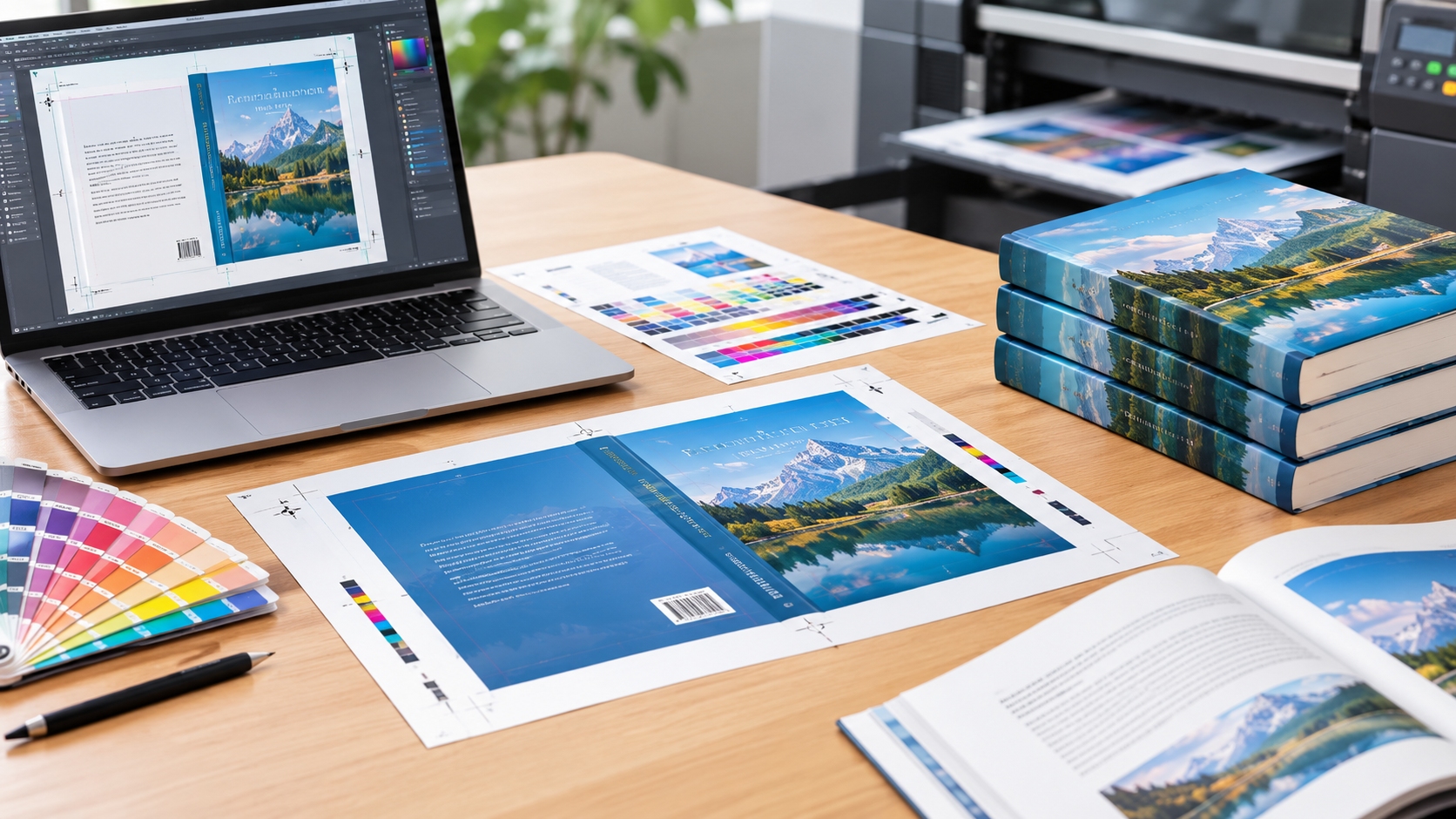

Bulk custom journal Printing is an excellent solution for companies, publishers, retailers, schools, and organizations to design customized stationery at an inexpensive price. When ordering in bulk, the per unit cost can be drastically lowered, whether you are purchasing branded corporate journals, promotion journals, retail journals or custom-designed journals for an event.
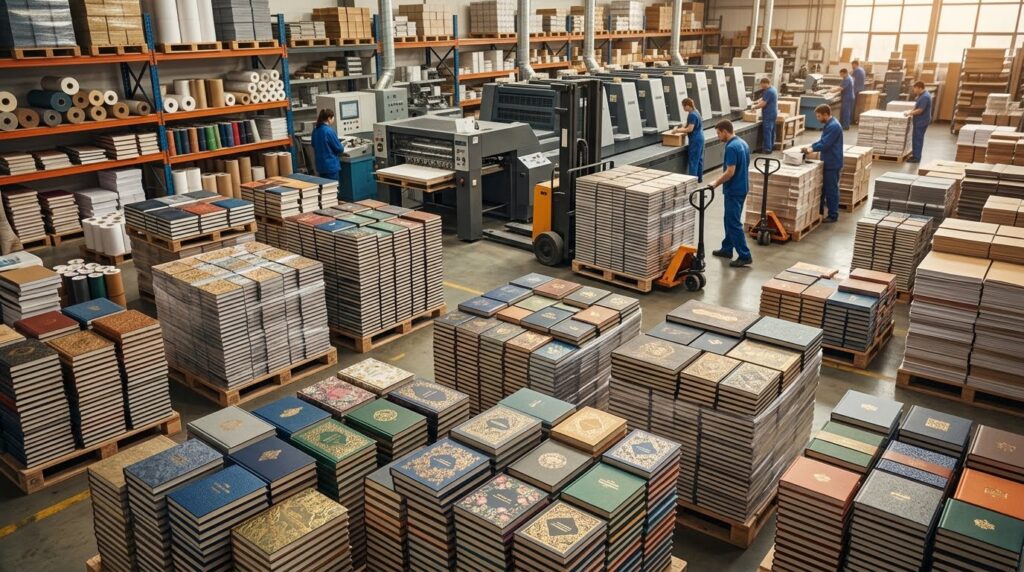
The price of a bulk-printed custom journal is often between $1 and $8 per journal for most standard projects, and the price of premium journals with hardcover binding, leather-like paper or foil stamping, or special paper is $8 or more per journal. These are approximate planning prices and not guaranteed quotations. Actual costs are based on quantity ordered, journal size, number of pages, materials, printing processes, finishing and shipping requirements.
This guide discusses the primary variables that impact the cost of bulk custom journal printing, gives you an idea of what you can expect to pay, and gives you a few ideas on how to keep your costs down without compromising on quality.
1. How Much Does Bulk Custom Journal Printing Cost?
The price of custom journal printing will depend on the quantity and the requirements of your order. The larger the print job, the lower its unit cost, since setup, prepress and print expenses are spread out over greater quantity of prints.
The following is an example of prices for regular custom journals:
| Order Quantity | Estimated Cost per Journal | Estimated Total |
|---|---|---|
| 100 copies | $4–$10 | $400–$1,000 |
| 500 copies | $2.50–$6 | $1,250–$3,000 |
| 1,000 copies | $1.50–$4 | $1,500–$4,000 |
| 5,000 copies | $1–$3 | $5,000–$15,000 |
| 10,000+ copies | $0.80–$2.50 | $8,000–$25,000 |
These estimates are based on fairly standard characteristics and may not include shipping costs, taxes, design services or premium customization. The number of pages, paper weight, binding style and paper type of the cover can vary between suppliers, and thus the pages cannot be directly compared.
A company that orders 1,000 standard basic custom notebooks with printed covers and standard paper might spend less than a company that orders 1,000 premium books with hard covers, elastic closures, ribbon bookmarks and foil-stamped logos.
For an exact quote, give suppliers the quantity, dimensions, number of pages, cover, interior print, and shipping location.
2. What Factors Affect the Cost of Custom Journals?
There are a number of choices that affect the cost of an order for printing bulk journals.
Order Quantity
Order quantity is one of the most important cost factors. Fixed production costs, such as printing equipment set-up, file preparation, etc. are applied on a per-order basis.
For instance, manufacturing 100 journals with the same specification and quality might cost more than manufacturing 1,000 journals with the same specification and quality.
But it’s not always best to buy more copies. The savings per unit must be weighed against the storage costs, inventory risks, and anticipated sales and/or distribution requirements.
Journal Size and Dimensions
Some common journal sizes are A5, A6, US Letter and custom sizes.
Smaller journals will mean less paper required and costs may be cheaper to produce. Larger formats require more material, and can lead to higher printing and shipping costs.
In addition, standard sizes can be more efficient in production as sheets can be printed in a way that minimizes paper waste. If saving money is a priority, rather ask for normal size or dimensions, than anything atypical.
Page Count and Paper Quality
The amount of pages has a direct impact on the consumption of materials, printing time and the cost of binding.
Compared to a 160-page journal designed to be the same size and bound the same, a 64-page journal is cheaper to produce.
Interior paper is also a factor in the final cost. The writing paper is great for everyday writing, and if you’re using premium stationery or writing instruments that have a low ink show-through, you might want to use thicker paper.
When choosing paper, take into account:
- Paper weight and thickness.
- Smoothness and writing performance.
- Recycled or environmentally certified materials.
- Lined, dotted, grid, or blank interior layouts.
- Single-sided or double-sided printing.
For most writing journals, a clean and functional interior can provide a better balance between quality and production cost than unnecessary full-color printing.
Cover Materials and Binding Methods
The cover and binding method influence both appearance and durability.
Common options include:
- Paperback journals: Economical, lightweight, and suitable for promotional campaigns.
- Spiral-bound journals: Practical for workbooks, training materials, and journals that need to lie flat.
- Hardcover journals: More durable and suitable for corporate gifts, premium stationery, and retail products.
- Leatherette journals: Offer a premium appearance with customizable textures and branding options.
Hardcover and specialty-cover journals usually cost more because they require additional materials and manufacturing steps. Spiral binding may be economical for certain formats, although wire or coil specifications can affect the price.
Choose a binding style based on how the journal will be used, not simply on its appearance.
3. How Do Customization Options Affect Printing Costs?
Customization helps businesses create distinctive products, but every additional production feature can increase the unit price.
Logo Printing and Cover Design
Standard cover printing is often an economical way to add company logos, brand colors, artwork, and product information.
For corporate orders, a printed logo may be sufficient to create a professional branded journal. More elaborate branding can be achieved through embossing, debossing, or foil stamping.
Foil Stamping and Embossing
Foil stamping adds metallic details, while embossing and debossing create raised or recessed designs.
These techniques can enhance the perceived value of a journal, particularly for executive gifts and premium retail products. However, they may require additional tooling, setup, and finishing operations.
If you are ordering thousands of journals, ask whether setup charges are included in the quoted unit price.
Interior Printing
Blank, lined, dotted, and grid pages are generally simpler to produce than fully customized interiors.
Full-color interior printing, personalized page layouts, branded introductions, calendars, and specially designed worksheets may increase production costs.
For most everyday journals, standard black-and-white interior printing offers a practical combination of readability, functionality, and affordability.
Additional Features
Optional accessories can include elastic closures, ribbon bookmarks, pen loops, inner pockets, rounded corners, and custom packaging.
These features can differentiate a product in a competitive market. However, it is worth evaluating which features customers will actually use before adding them to every journal.
4. Digital Printing vs. Offset Printing: Which Is More Affordable?
The printing method affects both unit cost and production flexibility.
Digital printing is often suitable for smaller quantities, shorter production runs, and projects requiring multiple designs. It generally involves less setup and can be more economical for low-volume orders.
Offset printing typically becomes more competitive for larger quantities, especially when many identical copies are required. Although setup costs may be higher, the cost per unit can decrease as production volume increases.
The best choice depends on the order size, artwork, color requirements, and supplier capabilities.
For example, a company producing 100 journals for an internal workshop may benefit from digital printing. A retailer ordering 5,000 identical branded journals may find offset printing more cost-effective.
Request quotations for both methods when your quantity falls near the point where their costs may overlap.
5. What Other Costs Should You Include in Your Budget?
The manufacturing price is only one part of the total project cost. Businesses should also account for expenses that may not appear in the initial unit quotation.
Common additional costs include:
- Artwork preparation and graphic design.
- Sample production and approval.
- Custom dies, plates, or finishing tools.
- Individual packaging and protective cartons.
- Freight, insurance, and delivery.
- Import duties and applicable taxes.
- Warehousing and inventory handling.
International shipping can be particularly important when ordering journals from overseas manufacturers. Freight charges depend on shipment weight, carton dimensions, delivery speed, destination, and shipping method.
When comparing suppliers, request a breakdown of production costs, setup fees, packaging, shipping, and other applicable charges. Comparing the total delivered cost provides a more realistic view of which quotation offers the best value.
6. How to Reduce Bulk Custom Journal Printing Costs
You do not necessarily need to sacrifice quality to lower your printing budget. Several practical strategies can help.
Standardize Your Specifications
Choose standard journal dimensions, commonly available paper, and established binding methods whenever possible. These choices may reduce material waste and simplify production.
Increase Quantity Strategically
Compare prices at several quantity levels, such as 500, 1,000, and 2,000 copies. A modest increase in order size may significantly reduce the unit price, but only order quantities that match your expected demand.
Simplify the Interior
Use lined or dotted pages with black-and-white printing unless custom interior artwork is essential. Keep premium design elements on the cover where they have the greatest visual impact.
Limit Premium Finishing
Instead of applying foil stamping, embossing, and specialty materials to every part of the journal, use one or two distinctive finishing options.
For example, a standard hardcover with a foil-stamped logo can look professional without requiring multiple expensive embellishments.
Request Multiple Quotations
Compare at least three manufacturers using the same technical specifications. Ask each supplier to clarify sample costs, production timelines, quality-control procedures, packaging, and shipping.
A lower unit price does not automatically indicate better value if the paper quality, binding durability, or delivered cost is significantly different.
7. How to Choose a Reliable Custom Journal Printing Manufacturer
Choosing the right printing company can be the key to a consistent quality and timely products.
Prior to ordering a big quantity, consider the manufacturer’s expertise in custom notebooks and journals, production capability, material choices, and quality assurance procedures.
When possible, ask for physical samples. Look at the paper, print quality, binding, cover finish and ease of writing
If these services are needed, it is also important to check with the manufacturer whether they offer OEM/private-label production, custom packaging, and/or logo personalization.
Discuss export packaging, shipping arrangements, production lead times, and what is to be done if the product is defective or there are any production discrepancies.
A good manufacturer will be able to quote you a detailed price according to your requirements and not a general estimate.
Conclusion
Printing custom journals is an expensive process, depending on the quantity, journal size, number of pages, quality of paper being used, the binding method, cover materials, and customization options. Typical bulk journals can range anywhere from $1 – $8 per unit and premium journals can be much higher.
The use of standard dimensions, simplicity of interior, ease of binding and a thoughtful approach to finishing are helpful in keeping costs down for businesses looking for a cost-effective option. The optimum order quantity should be based on actual demand and storage space, but the unit cost may be affected by the production quantity.
The best way to work out your budget is to show a detailed quote from several manufacturers with the same specifications. You can make custom journals that will suit your business goals without having to pay an overly competitive price per unit by balancing production cost, product quality, branding, and delivery cost.
Share on Social:


