

Bulk Custom Book Printing in China for Publishers and Brands
Related Posts
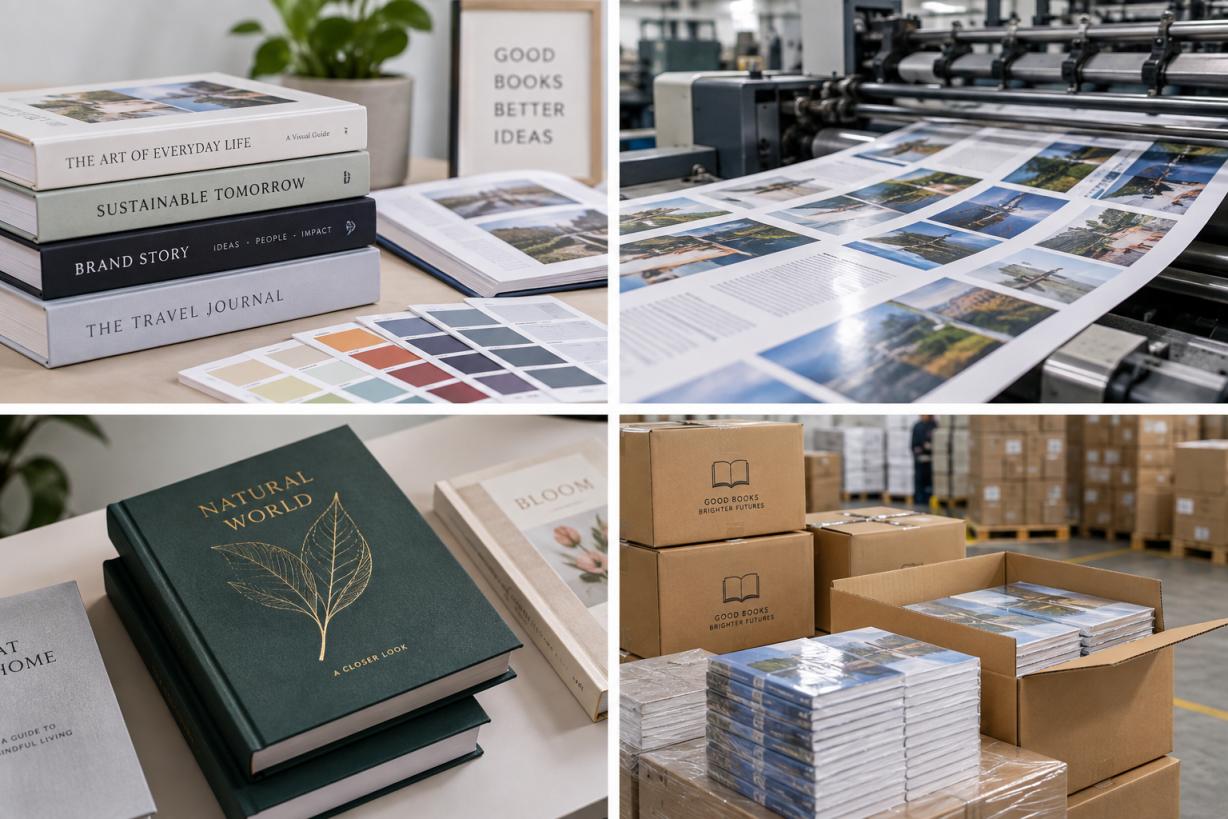
Bulk Custom Book Printing in China for Publishers and Brands
September 30, 2026
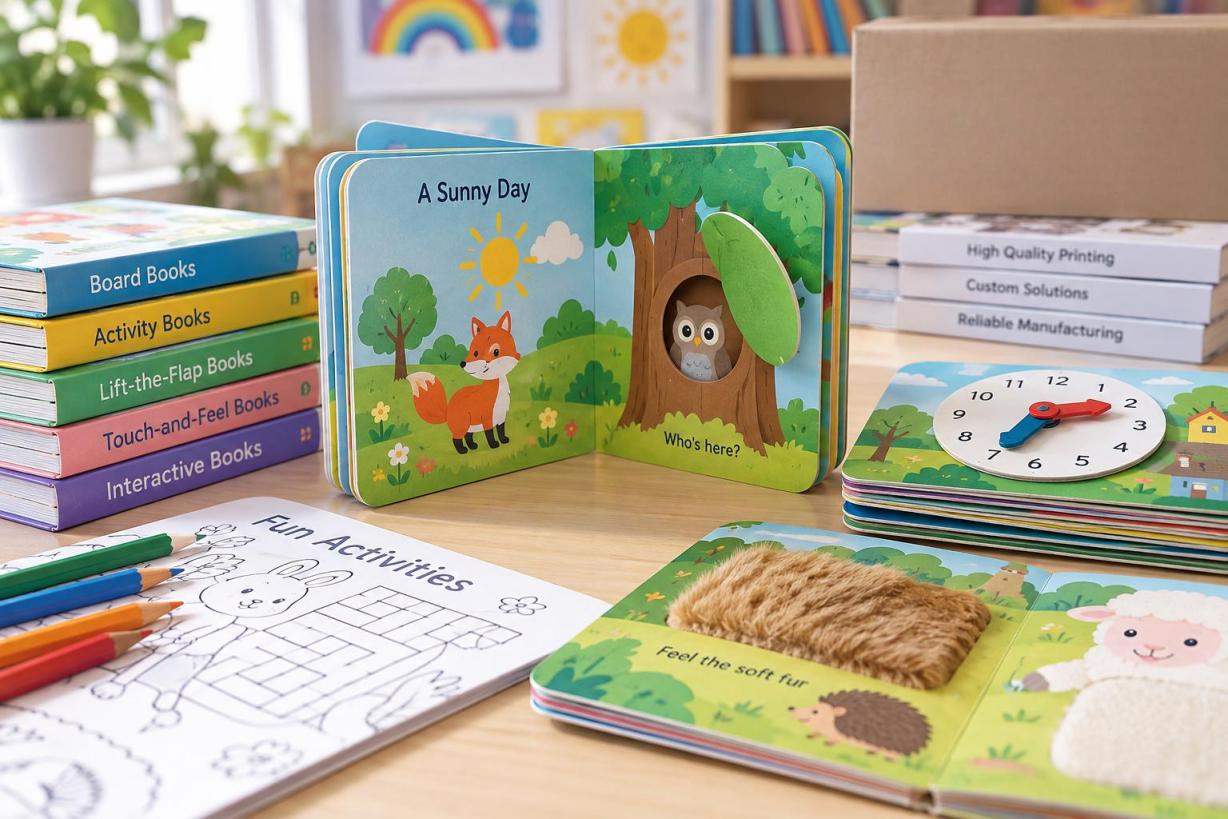
Children’s Book Printing for Publishers: 2026 Interactive Book Trends
September 30, 2026
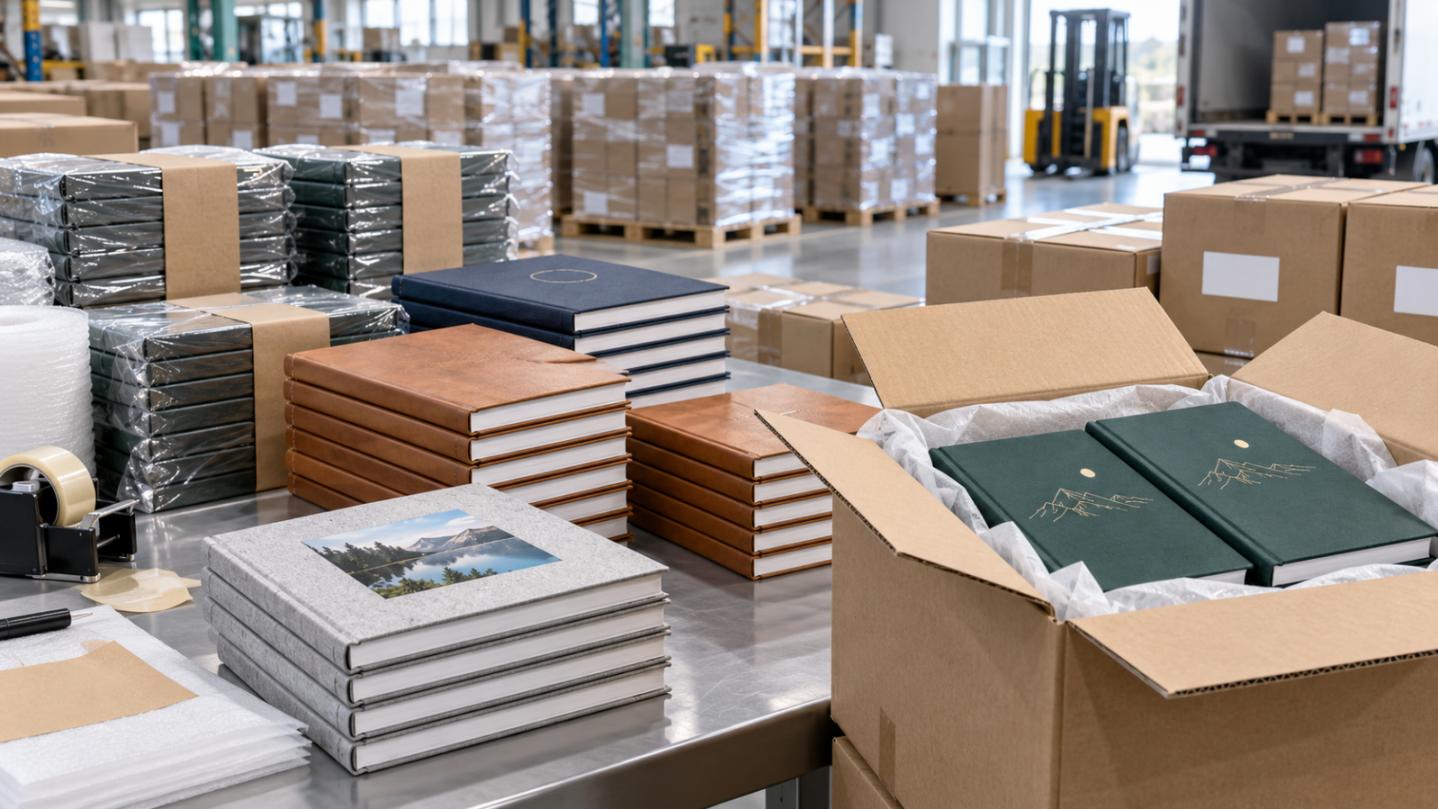
Bulk Journal Printing Quality Control: Binding Strength, Page Order and Trim Accuracy
September 29, 2026
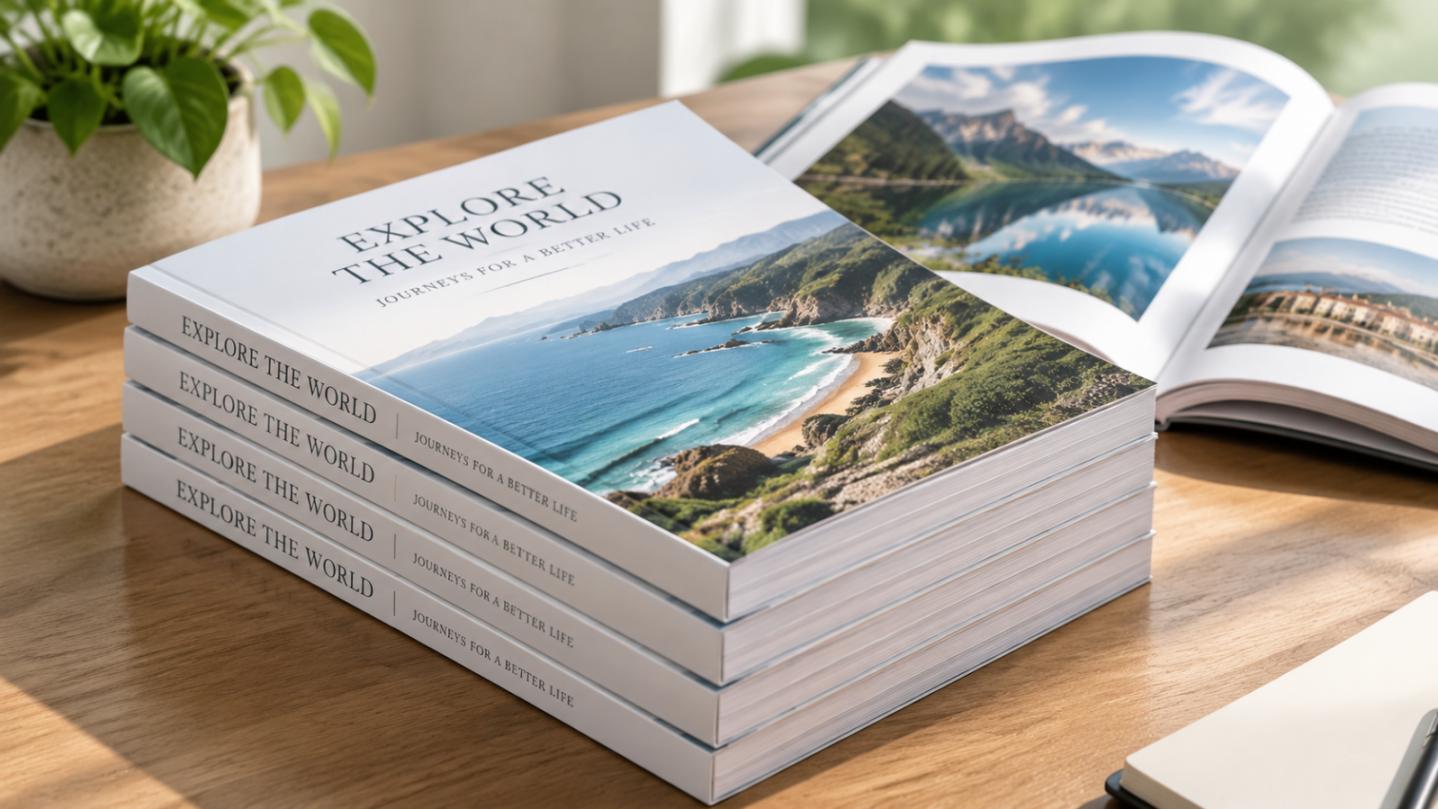
Softcover Book Printing in China: Short Runs, Bulk Orders and Reprint Planning
September 29, 2026
For publishers and brands sourcing Bulk Custom Book Printing, the biggest purchasing risk is often not the printing price—it is an incomplete specification. A quote for 5,000 books means little unless paper, page count, binding, color, finishing, proofing and packing are defined on the same basis.

At CAIMEI, we approach Bulk Custom Book Printing as a specification-driven manufacturing project. Before mass production, the physical structure of the book should be engineered around its content, expected use, quantity and target cost.
Why Book Printing Quotes Cannot Be Compared by Unit Price Alone
Two suppliers may quote the same trim size and quantity while manufacturing materially different books.
A useful RFQ should define:
•Trim size and extent: Finished dimensions and total pages
•Text stock: Paper type, GSM and relevant physical properties
•Cover: Stock or board construction and wrapping material
•Printing: B&W, CMYK or specified spot colors
•Binding: Perfect, sewn, wire-o, ring or another structure
•Finishing: Lamination, foil, emboss/deboss, Spot UV or die-cutting
•Proofing and QC: What must be approved before production
•Packing: Individual packing and export-carton requirements
•The goal is simple: Compare like-for-like specifications before comparing price.
Paper, Page Count and Spine Width Must Be Engineered Together
Paper should never be selected by GSM alone.
GSM measures paper mass per square meter; caliper measures thickness. Two 100gsm papers can have different calipers, opacity, stiffness and surface characteristics.
For Bulk Custom Book Printing, these variables form a connected system:
Paper caliper + Page count → Book-block thickness → Spine width → Cover dimensions → Binding behavior
A paper substitution can therefore affect more than appearance. It may change spine dimensions, book weight, opening behavior and even carton weight.
Trim Size Also Changes Manufacturing Efficiency
Book size determines page imposition on the press sheet. A seemingly small change in trim dimensions can alter:
•Pages imposed per sheet
•Paper waste
•Cutting layout
•Finished weight
•Production cost
For large print runs, paper utilization should be evaluated before locking the final dimensions.
Offset vs. Digital Printing: Find the Economic Crossover
CAIMEI supports both offset and digital production for customized book projects. The decision should be based on run structure rather than assuming one process is universally better.
| Factor | Offset Printing | Digital Printing |
| Initial setup | Higher | Lower |
| Long-run unit economics | Strong | Less advantageous at scale |
| Short runs | Less efficient | Strong |
| Multiple versions | More setup | Flexible |
| Variable content | Limited | Strong |
| Repeat production | Good with controlled files/specs | Flexible |
There is no universal rule that “1,000 copies means offset.” The crossover depends on trim size, page count, color configuration, paper, number of SKUs and finishing.
For Bulk Custom Book Printing, request pricing at several quantity breaks when the final demand is uncertain. This makes the cost curve more useful than a single unit-price quotation.
Match Binding to Thickness and Intended Use
Binding is a structural decision, not simply a visual option.
| Binding | Best Considered For | Main Decision Factor |
| Perfect Binding | Commercial paperbacks | Cost and book-block suitability |
| Sewn Binding | Frequently handled or premium books | Durability and opening |
| Wire-O | Manuals, workbooks | Lay-flat usability |
| Hardcover/Sewn | Premium publishing | Structure and service life |
Page count alone is not enough. Buyers should consider paper thickness, grain direction, book-block thickness, opening frequency and expected service life.
At CAIMEI, available project configurations include perfect, sewn, wire-o and ring binding, allowing the structure to be matched to the actual book rather than forcing every title into one construction.
Control Color From File to Production
Color complaints often begin before printing.
The production chain should be treated as:
Artwork → Color space → Proof → Paper → Press condition → Surface finishing
CMYK is suitable for most full-color publishing. A specified spot color may be worth evaluating when a corporate logo or other brand-critical element requires tighter control.
Paper also matters. The same image will not appear identical on glossy coated, matte coated and uncoated stocks.
For color-sensitive Bulk Custom Book Printing, buyers should establish what the approved proof represents before authorizing mass production.
Use Finishing Where It Adds Functional or Commercial Value
Premium finishing should have a purpose.
CAIMEI’s available customization can include gold/silver/color foil stamping, embossing/debossing, matte or gloss lamination, Spot UV, gilded edges and die-cutting.
For example:
•Lamination: Surface protection plus visual/tactile effect
•Foil stamping: Titles, logos and decorative accents
•Emboss/deboss: Physical depth on covers
•Spot UV: Localized gloss contrast
•Gilded edges: Premium and collector-oriented editions
Adding several processes increases setup, process interfaces and inspection requirements. A complex cover should therefore be evaluated for manufacturability before mass production.
Lock the Production Reference Before the Full Run
A reliable Bulk Custom Book Printing workflow should freeze critical specifications after approval.
Before production, confirm:
•Final artwork version and page sequence
•Bleed, trim and spine dimensions
•Text and cover materials
•Color requirements
•Binding construction
•Finishing position and artwork
•Approved sample/proof
•Packaging specification
CAIMEI’s published custom book information specifies pre-production samples and final inspection within its quality-control process. For specialized products, its published specifications also demonstrate project-level control of dimensions, paper weight, printing configuration, binding and export-carton packing.
Plan the First Run With Future Reprints in Mind
Publishers often focus on the first order and overlook the second.
A repeat order months later can change because of paper availability, material batches, revised files or finishing inputs. Maintain a production record containing:
•Approved artwork
•Paper specification
•Color reference
•Binding specification
•Finishing details
•Approved physical sample
•Packing requirements
If a material must be substituted, validate the affected characteristics again instead of treating a similar GSM or material name as an automatic equivalent.
Turn “Good Quality“ Into Inspection Criteria
“Premium quality” cannot be inspected objectively. A Bulk Custom Book Printing purchase specification should identify what acceptance actually means.
Check areas can include:
•Printing: Registration, color, missing content and visible defects
•Finishing: Foil position, lamination, embossing and surface condition
•Binding: Page sequence, adhesion/sewing, alignment and book-block stability
•Conversion: Trim, cover position and finished dimensions
•Packing: Quantity per carton, carton protection and shipping marks
Sampling method, acceptable defects and handling of non-conforming goods should be discussed before shipment rather than after a quality dispute occurs.
Build a Procurement-Ready Bulk Custom Book Printing RFQ
Before asking CAIMEI or another manufacturer to quote, prepare one technical specification containing:
Size | Pages | Quantity/SKUs | Text Paper | Cover | Colors | Binding | Finishing | Proofing | QC Requirements | Packing | Delivery Destination
Then compare total procurement cost—not printing price alone. Freight, packaging, storage, inventory risk and reprints can change the economics of an apparently inexpensive order.
For publishers and brands planning Bulk Custom Book Printing in China, CAIMEI can review the book structure, printing method, paper, binding and finishing combination against the intended quantity and application. Providing complete artwork and specifications at the quotation stage makes it easier to identify a practical production route before committing to mass production.
FAQs
Q1. What information should I provide CAIMEI for a Bulk Custom Book Printing quote?
Provide the finished size, page count, quantity, text and cover materials, printing colors, binding, finishing, artwork, packing requirements and delivery destination. Complete specifications make quotations more comparable and accurate.
Q2. Does CAIMEI support both offset and digital book printing?
Yes. CAIMEI offers offset and digital printing options. The suitable method depends on print quantity, page count, book size, color requirements, number of versions and other production variables.
Q3. What binding options can CAIMEI provide for Bulk Custom Book Printing?
Depending on the project, available options can include perfect binding, sewn binding, wire-o and ring binding. The selection should consider book-block thickness, intended use, durability and opening requirements.
Q4. Can CAIMEI produce both hardcover and softcover books?
Yes. CAIMEI supports customized book configurations for different publishing applications. Cover construction, text paper, binding and finishing can be selected according to the book’s positioning and use.
Q5. Can CAIMEI help select paper for a custom book project?
Paper selection can be evaluated according to the book type, printing requirements and target specifications. Buyers should consider not only GSM but also paper surface, opacity, caliper, printability and finished book weight.
Share on Social:



NAME
text text text text. text text text text. text text text text. text text text text. text text text text. text text text text. text text text text. text text text t text xt. text text text text. text text text text. text text text t text
Contact Us
In This Article
Related Posts
Bulk Custom Book Printing in China for Publishers and Brands
September 30, 2026
Children’s Book Printing for Publishers: 2026 Interactive Book Trends
September 30, 2026
Bulk Journal Printing Quality Control: Binding Strength, Page Order and Trim Accuracy
September 29, 2026
Softcover Book Printing in China: Short Runs, Bulk Orders and Reprint Planning
September 29, 2026


