

Hardcover vs Paperback Printing Cost for 1,000 Copies
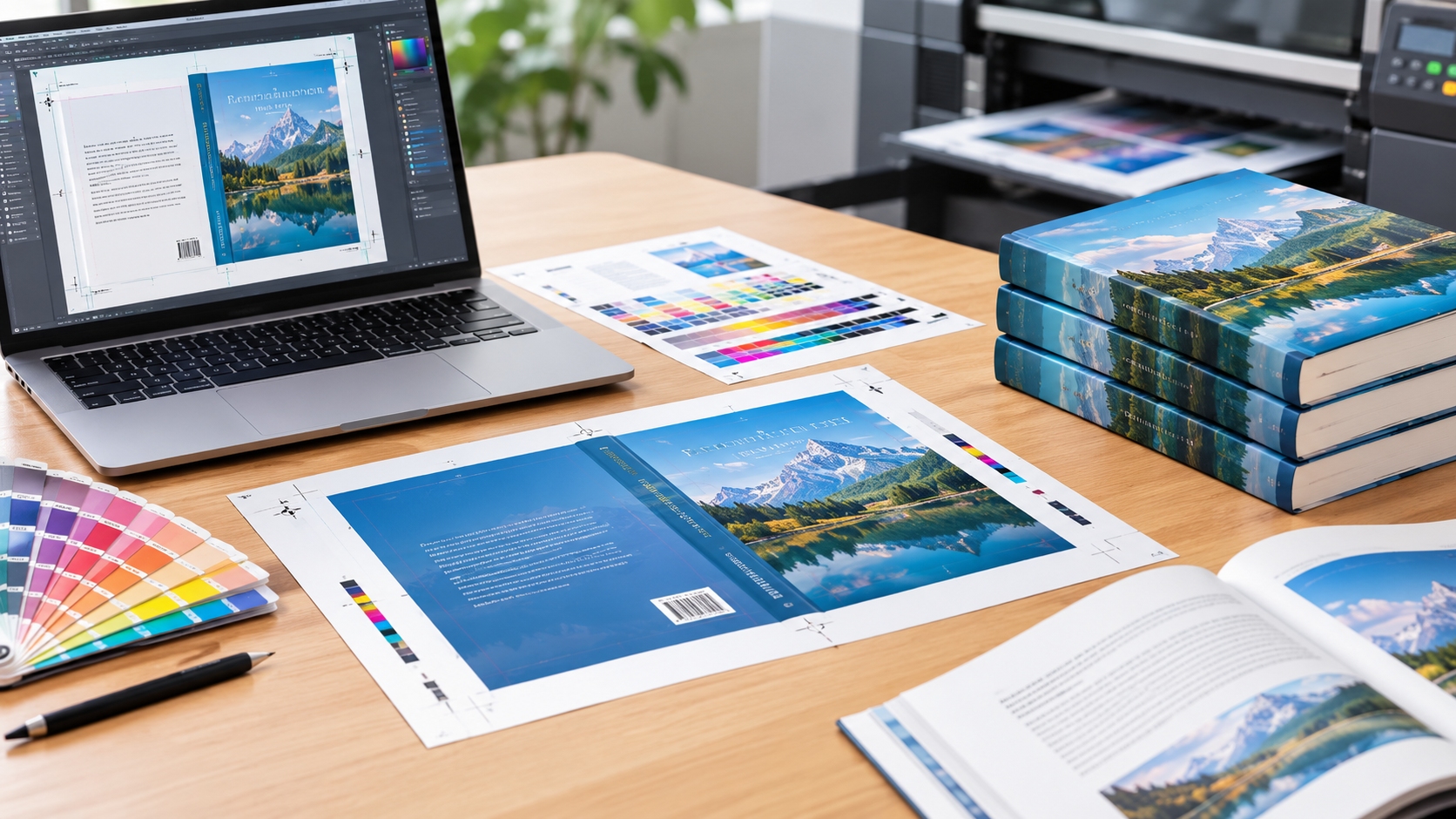
One of the most crucial decisions that you will have to make when you are planning your book printing project is whether to go for hardcover or paperback printing. While both formats offer their own benefits, they also present drastically diverging options when it comes to their costs, durability, looks and market positioning. Once you’re familiar with the printing cost difference between the hardcover and paperback alternatives, you can ensure that you make informed decisions and maximize your printing budget as an author, publisher, business or self-publishing professional.

Paperback books typically are less costly to produce since their covers are flexible and the binding is less intricate. Hardcover books will be more expensive because they have hard boards, more materials included, the manufacturing process is more complex, and they may have more elaborate finishing options. But, depending on the purpose of your book, target audience, order quantity and the long-term value, the best option for you is available.
This guide will clarify the basic cost distinctions between hardcover and paperback printing, the variables that play a role in determining costs, and the best possible format for your book.
1. What Is the Difference Between Hardcover and Paperback Books?
Before comparing printing costs, it is helpful to understand how these two book formats are manufactured.
Hardcover Book Printing
Hardcover books, also called hardback books, feature rigid covers made from thick paperboard wrapped in printed paper, cloth, or other materials. The pages are attached to a sturdy case, providing better structural support and improved durability.
Common features of hardcover books include:
- Rigid covers with a premium appearance
- Greater resistance to bending and everyday wear
- Optional dust jackets, foil stamping, and embossing
- Suitable construction for libraries, gift books, and collectible editions
- Higher material and labor requirements
Hardcover printing is popular for premium novels, children’s books, coffee table books, corporate publications, art books, and special editions.
Paperback Book Printing
Paperback books use flexible covers made from heavier paper or cardstock. The cover is typically printed, laminated, and attached to the book block using perfect binding or another suitable binding method.
Common features include:
- Lightweight and flexible construction
- Lower material and manufacturing costs
- Easier transportation and storage
- Affordable pricing for mass-market distribution
- Suitable formats for novels, manuals, workbooks, and educational books
Paperback printing is especially popular among self-published authors, independent publishers, educational organizations, and businesses producing books in larger quantities.
2. Hardcover vs Paperback Printing Cost Comparison
The cost difference depends on book specifications, printing methods, order volume, and the manufacturing location. Hardcover books generally have higher unit costs, while paperbacks offer a lower entry price.
The following figures are illustrative estimates for a standard 200-page, black-and-white text book with a full-color cover, printed in moderate quantities. They are not supplier quotations.
| Order quantity | Paperback per copy | Hardcover per copy |
|---|---|---|
| 100 copies | $3–$7 | $7–$15 |
| 500 copies | $2–$4.50 | $5–$10 |
| 1,000 copies | $1.50–$3.50 | $4–$8 |
| 5,000 copies | $0.80–$2.00 | $2.50–$5.50 |
Actual prices can fall outside these ranges, especially for books with premium paper, color interiors, unusual dimensions, or complex finishing.
Hardcover books may cost roughly 1.5 to 3 times as much as comparable paperbacks, although the difference varies considerably by project.
For accurate pricing, request a quote based on page count, trim size, paper type, binding style, cover finish, quantity, packaging, and shipping destination.
3. Why Does Hardcover Printing Cost More?
Several manufacturing factors contribute to the higher cost of hardcover books.
More Expensive Cover Materials
A hardcover requires rigid paperboard, covering material, and additional components to create its structure. A paperback typically needs only a printed cardstock cover.
These additional materials increase both material consumption and production complexity.
More Complex Binding Process
Hardcover manufacturing often involves assembling the book block, preparing the case, attaching the cover, and completing additional finishing steps. Some hardcover books use sewn signatures, which can further increase production costs.
Paperback books commonly use perfect binding, where the pages are gathered, their spines are prepared, and adhesive is applied to attach the cover.
The simpler production process generally makes paperback printing more economical.
Additional Finishing Options
Hardcover editions frequently include premium features such as dust jackets, foil stamping, embossed titles, cloth covers, ribbon bookmarks, and printed endpapers.
Each extra feature adds material, labor, setup, or quality-control costs.
Although paperbacks can also use special finishes, hardcover projects often combine several premium options, increasing the total production price.
4. What Factors Affect Book Printing Costs?
Whether you choose hardcover or paperback printing, several factors determine the final quotation.
Book Size and Page Count
Larger books require more paper and may use larger printing sheets. A higher page count increases paper consumption, binding requirements, and production time.
For example, a 400-page book will generally cost more to manufacture than a comparable 150-page book.
Choosing a standard trim size can help reduce paper waste and improve production efficiency.
Paper Type and Weight
Paper selection directly affects printing expenses and the physical characteristics of a book.
Standard uncoated paper is commonly used for novels and text-heavy publications. Coated paper is often preferred for photography books, illustrated children’s books, and other publications requiring detailed color reproduction.
Higher paper weights and specialty stocks typically increase costs. For books with extensive color illustrations, paper selection can have a particularly significant effect on the budget.
Printing Method
Two common options are digital printing and offset printing.
Digital printing is suitable for short runs, print-on-demand projects, and books that require frequent updates. It generally requires less initial setup, making small orders more economical.
Offset printing usually has higher setup costs but lower unit costs at larger quantities. It is often a strong option for publishers ordering hundreds or thousands of identical copies.
The most cost-effective method depends on the quantity, specifications, and printer’s production capabilities.
Binding and Cover Finishing
Binding choices influence both cost and durability. Hardcover case binding generally costs more than standard paperback perfect binding.
Finishing options such as matte or gloss lamination, spot UV, foil stamping, and embossing also affect pricing. Selecting only the finishes that support your design goals can help control expenses.
Order Quantity
Printing more copies usually reduces the average cost per book because setup expenses are distributed across a larger production run.
However, a larger order requires more upfront investment and storage space. Businesses should balance unit savings against inventory risks, expected sales, and cash flow.
5. Which Is Cheaper for Small and Large Print Runs?
The answer depends on the printing method and the intended quantity.
Small Print Runs: Paperback Often Wins
For orders of approximately 50–200 copies, paperback printing is usually the more affordable option.
Digital printing can make short runs practical without requiring a large initial investment. This is particularly useful for independent authors, training manuals, company publications, and books being tested in a new market.
Hardcover books can still make sense for limited collector editions or premium gifts, but their higher unit costs should be considered carefully.
Large Print Runs: Paperback Usually Maintains a Cost Advantage
For orders of 1,000 copies or more, offset printing can significantly reduce the cost per paperback.
Hardcover printing also benefits from economies of scale, but the additional board, cover materials, and manufacturing steps usually preserve a price difference.
For example, a publisher producing 5,000 paperback copies may achieve a much lower unit price than a publisher ordering only 100 copies. A comparable hardcover edition will generally remain more expensive.
For very large orders, request quotations for multiple quantities to identify the most economical production level.
6. Hardcover vs Paperback: Which Offers Better Value?
The lowest printing cost does not always mean the best overall value. The right format depends on how the book will be used and sold.
Choose paperback printing if your priorities include:
- Keeping production costs low
- Offering affordable retail prices
- Publishing novels, manuals, or educational materials
- Reducing shipping weight and storage requirements
- Producing large quantities for broad distribution
Choose hardcover printing if your priorities include:
- Creating a premium product
- Improving physical durability
- Producing gift books or collectible editions
- Publishing photography, art, or coffee table books
- Supporting a higher retail price or premium brand image
For example, a self-published novelist may choose paperback to maintain an accessible retail price. A company producing an executive gift book may prefer hardcover to create a more substantial and memorable presentation.
When calculating profitability, consider not only manufacturing costs but also selling price, distribution fees, packaging, shipping, returns, and unsold inventory.
7. How to Reduce Hardcover and Paperback Printing Costs
Several practical strategies can help you control printing expenses without sacrificing essential quality.
1. Optimize your book specifications. Choose a suitable standard size and avoid unnecessary pages, oversized formats, or excessive blank space.
2. Compare digital and offset printing. Request quotes for different order quantities to determine when offset printing becomes more economical.
3. Select paper carefully. Use paper that meets your readability and durability requirements without paying for unnecessary premium features.
4. Simplify cover finishing. Standard lamination and a well-designed printed cover can look professional without expensive embellishments.
5. Order strategically. Estimate realistic demand before committing to a large production run. Lower unit costs are beneficial only when the books can be sold or used.
6. Compare complete quotations. Ask suppliers to specify printing, binding, proofing, packaging, shipping, and any additional charges.
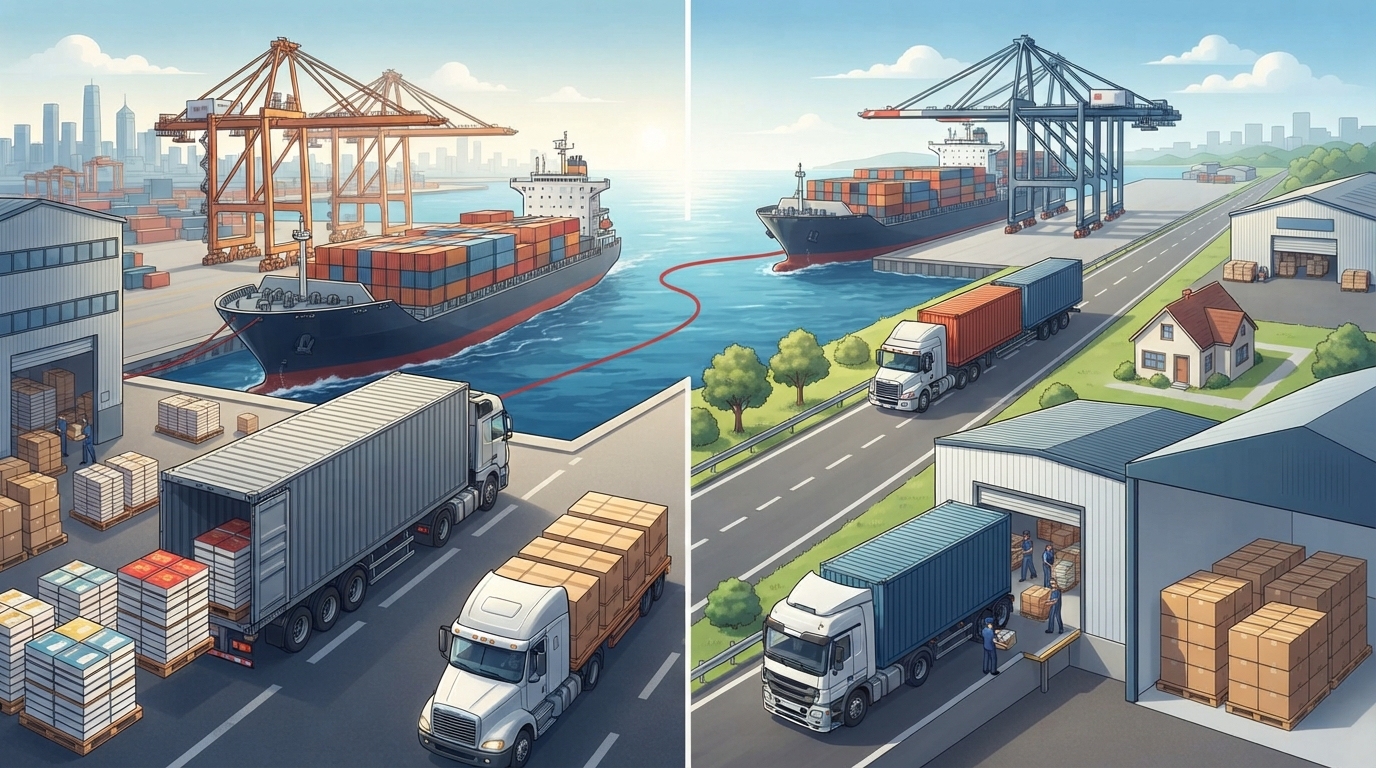
7. Consider overseas book printing. Manufacturers in established book-printing markets, including China, may offer competitive pricing for bulk orders. However, buyers should compare shipping, import duties, lead times, communication, and quality-control arrangements rather than evaluating the unit price alone.
8. How to Get an Accurate Book Printing Quote
To compare hardcover and paperback printing fairly, provide the same specifications to every supplier.
Your request should include:
- Book title or project type
- Finished book dimensions
- Total page count
- Interior printing: black and white or full color
- Paper type and weight
- Hardcover or paperback binding
- Cover artwork and finishing requirements
- Quantity options, such as 100, 500, 1,000, and 5,000 copies
- Packaging and shipping destination
Ask for a physical sample or production proof when color accuracy, binding quality, or premium finishing is important. A low quotation is less valuable if the finished books fail to meet your expectations.
For international orders, clarify whether shipping, customs-related charges, and delivery to your specified address are included.
Conclusion
Paperback books are typically cheaper than hardcover books, especially when it comes to printing costs, due to their use of fewer materials and the less complicated manufacturing process. Hardcover books are slightly more expensive, but are more durable, look better, and are ideal for gift editions, collectible books or high-quality projects.
If the author/publisher has a budget constraint, paperback printing may be the first choice. If your brand or publisher cares more about looks and longevity, you may want to consider hardcover printing.
The best way to do it is to request several quotes that are identical in book specs, quantity and delivery, etc. The right book format can be chosen based on your budget and the goals you’re setting for your book, as you’ll be balancing cost, quality, retail placement and customer expectations.
Share on Social:


- PREV: Smyth Sewn vs Perfect Binding: Cost, Strength & Durability
- NEXT: Null


