

Hardcover vs Flexibound Books: Key Differences
The cover style can be a factor in the durability, look, cost and experience of reading a book if you are considering printing, publishing, or buying a book. Hardcover and flexibound books are two popular choices. Both cards provide a heavier texture than conventional paperbacks; however, there are differences in their construction, flexibility, manufacturing cost, and ideal applications.

It is particularly crucial to know the difference between hardcover vs flexibound books for publishers, authors, businesses and organizations undertaking a book printing project. The rigid cover and high-quality finish of the hardcover books are well known, while flexibound books provide a compromise between durability and portability, with a flexible cover and robust binding.
We will compare hardcover books to flexibound books with respect to the construction, durability, cost, design and uses. At the end of it you’ll know the ideal format for your publishing goals and your readers, and you’ll be on budget.
What Is a Hardcover Book?
A hardcover book is another name for a hardback book, which has a hard thick paperboard or binder’s board cover. Cover is wrapped with printed paper, cloth, leather or other decorative materials. Inside pages are typically bound by adhesive binding, sewing sigs or a mix of bonding techniques.
Many hardcover books also have a dust jacket that offers more room for imagery, advertising copy, author profiles and brandings. But a dust jacket isn’t a feature that is exclusive to hardcovers.
Key Features of Hardcover Books
- Rigid cover: Thick boards provide structural support and protect interior pages.
- Premium appearance: Hardcover construction creates a substantial, professional presentation.
- Long-term durability: Strong covers help protect pages during storage and repeated handling.
- Customization options: Publishers can choose embossed titles, foil stamping, textured materials, printed covers, and other finishes.
- Higher production cost: Additional materials and manufacturing steps generally make hardcover books more expensive than standard paperback editions.
Hardcover books are commonly used for coffee table books, premium novels, textbooks, children’s books, art books, corporate publications, and commemorative editions.
What Is a Flexibound Book?
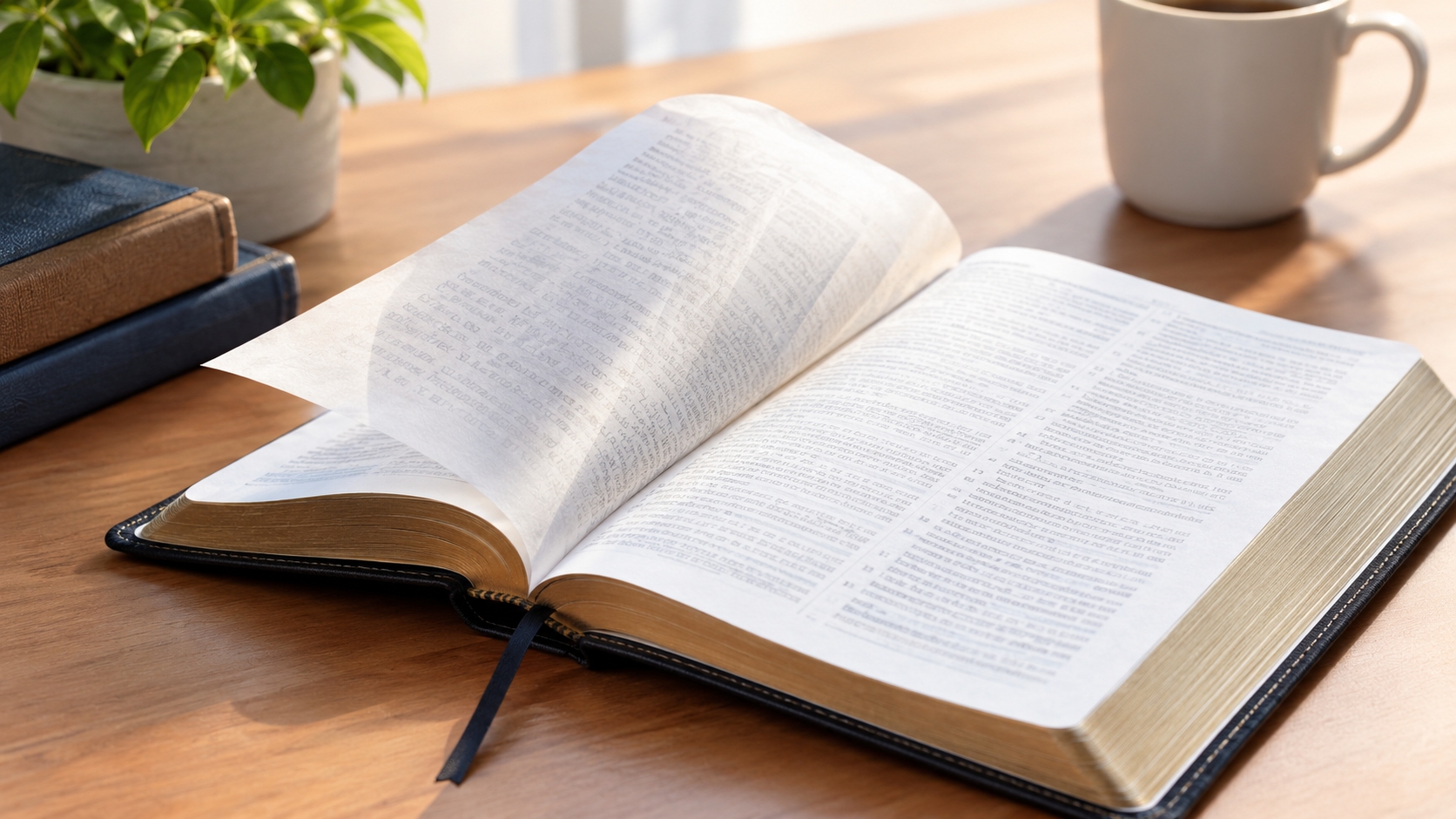
A flexibound book is one that has a soft cover that is not as firm as a hardcover book, but it is more durable than a soft cover book. Laminated paperboard, flexible board or other material that offers protection and flexibility may be used to make its cover.
Generally, flexibound is used to refer to a binding/cover type and not a consistent manufacturing specification. There are different construction methods for different printers and publishers. These flexibound books can be bound with either sewn pages or adhesive binding or a variety of other binding methods.
Key Features of Flexibound Books
- Flexible cover: The cover bends more easily than a rigid hardcover board.
- Enhanced durability: A thicker or reinforced cover can provide more protection than a basic paperback.
- Comfortable handling: Flexibound books are often easier to carry and hold during extended reading sessions.
- Professional appearance: Rounded spines, laminated finishes, and carefully designed covers can create a premium look.
- Moderate production cost: Depending on specifications and quantity, flexibound books can cost less than comparable hardcover editions.
Flexibound books are often used for travel guides, cookbooks, journals, reference books, gift books, devotional publications, and selected premium paperback editions.
Hardcover vs Flexibound Books: Main Differences
The most important difference between hardcover and flexibound books is the cover structure. Hardcover books use rigid boards, whereas flexibound books use covers designed to bend.
The following comparison summarizes their typical characteristics.
| Feature | Hardcover Books | Flexibound Books |
|---|---|---|
| Cover structure | Rigid, thick boards | Flexible, reinforced cover |
| Flexibility | Very limited | Moderate to high |
| Protection | Excellent structural protection | Good protection, depending on materials |
| Portability | Usually heavier and bulkier | Often lighter and easier to carry |
| Appearance | Traditional, premium, substantial | Modern, streamlined, flexible |
| Reading comfort | Can feel heavy when held open | Often easier to handle |
| Printing cost | Generally higher | Often lower than comparable hardcovers |
| Shelf presentation | Strong, upright structure | More flexible spine and cover |
| Common applications | Gift books, art books, premium editions | Travel books, cookbooks, journals |
Actual performance depends on page count, paper weight, cover materials, binding quality, and manufacturing specifications. Neither format is automatically superior in every category.
1. Durability: Which Book Format Lasts Longer?
When choosing a book format—particularly for reference books, collectible editions, and educational publications—the durability of the format is a very important factor.
Hardcover books are in general more protected against pressure damage, crushing and bending while being stored. They are rigidly made boards which help to hold the shape of the book and protect the page block. This makes them appropriate for books that are expected to stay on the shelf for a long time.
A flexibound book is a type of book that is durable in a different way. They have flexible covers, which can bend and be handled normally without the rigid structure of a hardcover. When using high-quality cover materials, good adhesive or sewn binding, a well-made flexibound book can last for years.
But, flexibility does not always mean more wear resistance. The spine and/or the pages may become damaged by repeated bending over time, and poorly-made bindings can cause pages to separate.
Recommendation: Hardcover tends to be the best choice for the most durability and longevity in the books. Flexibound books are useful for books that require durability but are still convenient to carry and use.
2. Cost: Are Flexibound Books Cheaper Than Hardcover Books?
Another concern for publishers and businesses that place bulk orders is the price.
Typically, rigid boards, cover wrapping and some additional finishing processes are applied to the hardcover, and in some instances a dust jacket is also included in the process. These materials and operations can raise the unit cost, relative to simpler book formats.
Some of these costs can be avoided with flexibound books as they can be constructed with a less rigid structure and flexible cover materials. They can provide an upscale appearance without the need for a traditional hardcover binding.
Still, there are more factors to consider than just the cover. Some key elements that contribute to cost are:
- Book size and total page count
- Interior paper weight and paper grade
- Cover material and lamination
- Sewn binding versus adhesive binding
- Foil stamping, embossing, and other finishing options
- Printing quantity and production location
- Packaging, shipping, and fulfillment requirements
For example, a flexibound book with sewn binding, premium paper, and complex finishing may cost more than a simple hardcover edition with basic specifications.
For an accurate comparison, request quotations from the same printer using identical page counts, dimensions, paper specifications, quantities, and finishing requirements.
3. Appearance and Reader Experience
Hardcover and flexibound books make different impressions.
The image of a hardcover book is one of quality, longevity and prestige. The hard cover can hold high quality materials, painting and textured designs. With gift editions and corporate publications, this type of design can add to the perceived value of the content.
Books that are flexibound have a more flexible, and sometimes less formal, appearance. They still can appear elegant with rounded corners, laminated covers, printed textures and good graphic design. Because of their lighter weight, they might also be a more comfortable read for those who read books a lot.
This is what depends on the expectations of the intended audience – the best option.
For instance, a luxury art book could require hardcover construction, and a travel book might be better in flexibound construction because it will be used frequently.
4. Weight and Portability
The weight of the books may affect readers’ usage and carrying.
A book’s weight depends on its cover and boards, which are tougher in hardcover books. Thicker interior paper can add to the bulkiness of larger formats.
Flexibound books are typically less cumbersome and more flexible, which makes them easy to carry for traveling, commuting or reading. Depending on the size and number of pages, they can be more easily accommodated in backpacks and handbags.
If your readers are often carrying the book (like a language book, devotional book, or a reference manual), it may be more important to be portable, than to be rigidly protected.
But page count is still a significant consideration. Even a thick flexibound book will weigh more than a small hardcover book.
5. Binding Quality and Opening Performance
The construction of a book isn’t just about cover style. The quality of the binding can also influence the ease of opening and reopening the book, as well as its durability and resistance to wear.
Sewn signatures and/or adhesive binding are allowed on hardcover books. A well sewn binding may enhance page retention and opening properties (depending on the design and materials of the binding).
Sewn signatures or adhesive binding can be used for flexibound books. There are some designs that are open in a relatively flat manner, which is nice for cookbooks, workbooks, or reference books. Others may not open completely, particularly if the spine is constructed tightly.
If you are considering using a book often, inquire about the following from the printer:
- Whether the pages are sewn or adhesively bound
- How the spine is constructed
- Whether the book can open comfortably without damaging the binding
- The expected performance under repeated handling
- Whether a physical production sample is available
A carefully engineered flexibound book can perform better in everyday use than a poorly manufactured hardcover. Binding specifications matter as much as the cover category.
6. Which Types of Books Are Best for Each Format?
Choosing the right format starts with understanding how readers will use the book.
Best Uses for Hardcover Books
Hardcover is often the preferred option for:
- Coffee table books: Large images and premium finishes benefit from a rigid presentation.
- Art and photography books: Strong covers help protect valuable visual content.
- Premium gift books: The substantial feel can increase perceived value.
- Collectible editions: Rigid construction supports long-term storage and display.
- Corporate and commemorative books: Hardcover can create a formal, professional impression.
- Library and archival-oriented publications: Rigid covers offer useful structural protection, although true archival performance depends on the materials used.
Best Uses for Flexibound Books
Flexibound is often suitable for:
- Travel guides: Flexible construction supports portability.
- Cookbooks: A flexible cover may be easier to handle while preparing meals, particularly when paired with suitable binding.
- Journals and notebooks: A premium flexible cover can balance appearance and everyday usability.
- Devotional books: Readers may appreciate the combination of durability and portability.
- Reference books: Flexibound construction can be useful for materials consulted frequently.
- Premium paperback editions: Publishers can offer a more substantial format without choosing a fully rigid hardcover.
These are general recommendations rather than strict rules. Either format can work for many categories if the design and manufacturing choices match the intended use.
7. How to Choose Between Hardcover and Flexibound Books
Publishers should ask themselves five questions before choosing a format.
First, what is the main objective of the book? Hardcover may be the better choice if the object is one that needs to be collected or displayed as a keepsake or collectible. Flexibound might work better for readers who will be handling and carrying it on a regular basis.
Secondly, what is the importance of structural protection? Books that need to withstand pressure during storage may benefit from rigid boards.
Thirdly, what’s the price the retail customer expects to pay? A cost reduction can mean that publishers are able to sustain margins or attract a more price sensitive customer base.
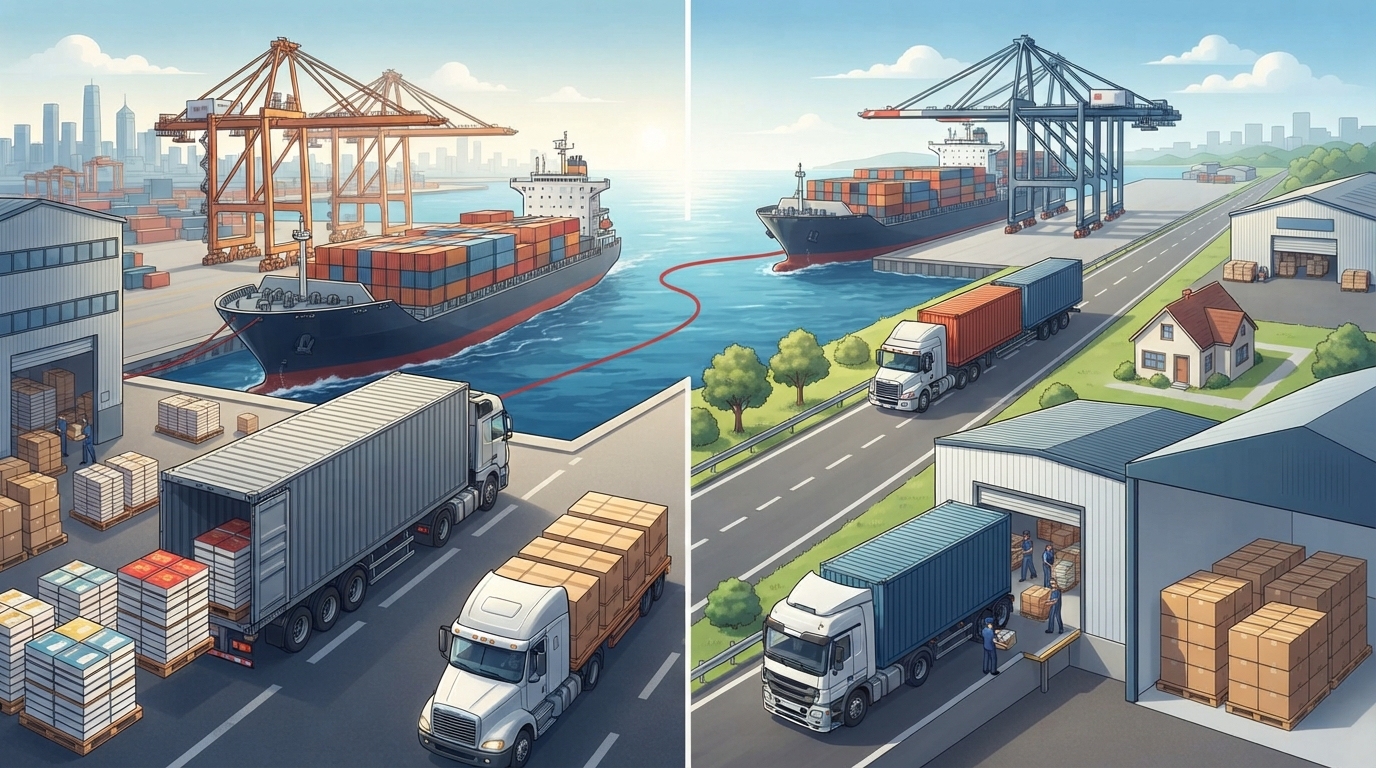
Fourth, what is the distribution of the book? The cost of each format can vary based on shipping weight, packaging space, storage space in the warehouse, and international shipping costs.
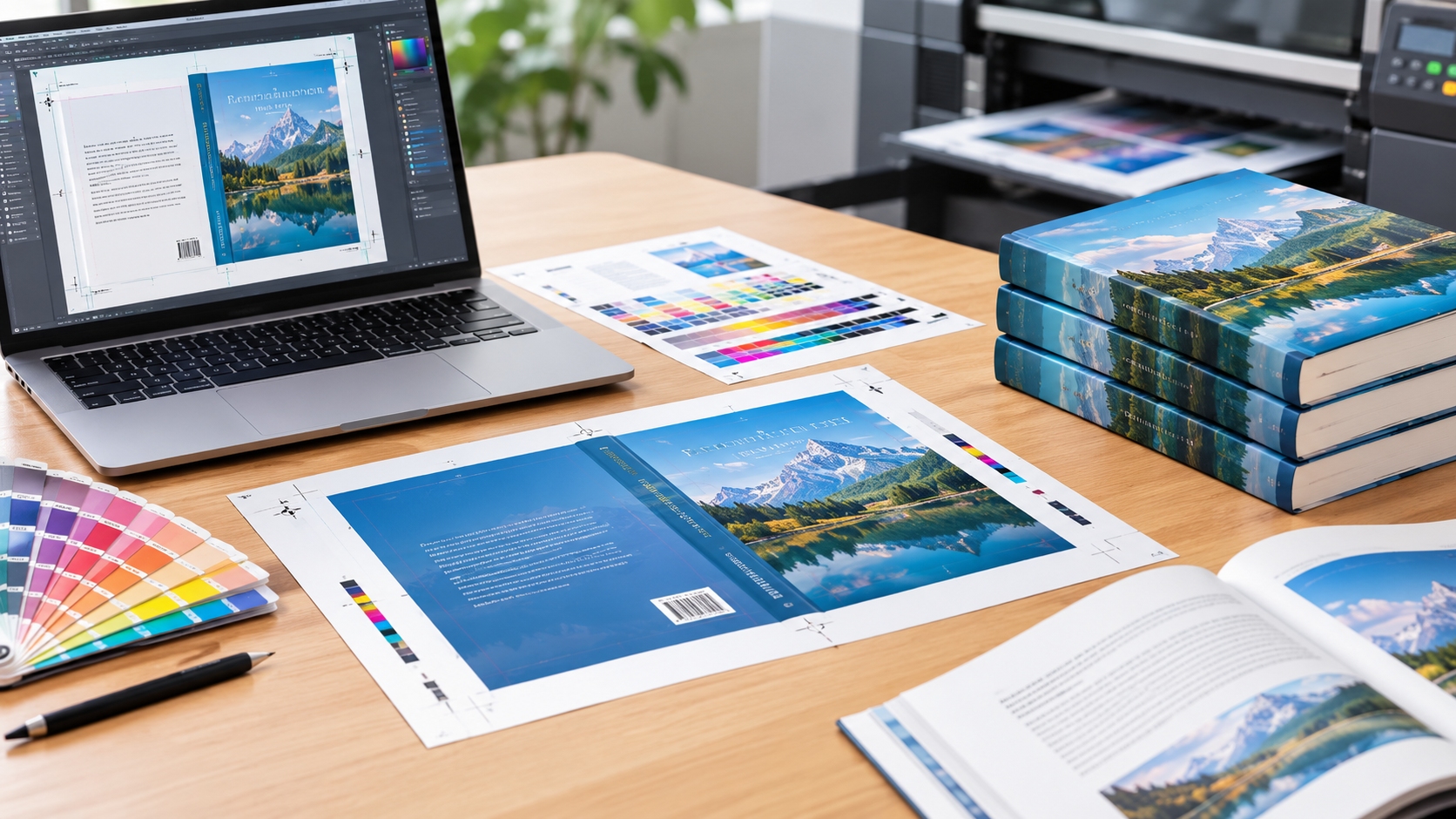
Fifth, what finishes and bindings will be needed? These factors should be considered together as the spine type, cover materials, page count and construction of the binding.
Ideally, make side-by-side comparisons when selecting samples. Check the cover flexibility, spine strength, page retention, and print quality and handling experience.
Frequently Asked Questions
Is a flexibound book the same as a paperback?
No. Both can have flexible covers, but a flexibound book generally uses a more substantial or specialized cover construction than a standard paperback. The exact difference depends on the publisher’s specifications and the printer’s terminology.
Is a flexibound book better than a hardcover?
Neither format is universally better. Hardcover books generally offer stronger structural protection and a more traditional premium presentation. Flexibound books often provide greater flexibility, easier portability, and potentially lower production costs.
Do flexibound books lie flat when opened?
Some do, but not all. Opening performance depends on the binding method, spine construction, paper characteristics, and overall design. Ask for a sample if the book must remain open on a desk or countertop.
Are hardcover books more expensive to print?
They are generally more expensive than comparable flexibound books because rigid boards and additional manufacturing steps can increase production costs. However, the actual difference depends on the print run, materials, binding, and finishing requirements.
Which format is best for self-publishing?
For self-published authors, the best format depends on the genre, audience, and retail strategy. Hardcover may suit special editions, photography books, and premium gifts. Flexibound can be attractive for practical guides, journals, cookbooks, and books intended for frequent use.
Conclusion
Hardcover vs flexibound books come with a compromise of rigidity and flexibility.
Hardcover books are more suitable for presentation, protection of structure and shelf storage. The flexibound book is an excellent choice for readers who require portability, easy handling, and a durable, bendable book cover.
The best format for a book is determined by the author’s goal, audience, budget and distribution needs for publishers, authors, and businesses. Considering cover material, binding techniques, page specifications, and sample quality will aid in the final quality of the product, both in terms of function and commercial appeal.
Finally, the most successful book format isn’t necessarily the one that has the best cover or the cheapest price. It is the type that provides the correct quality, usability, durability and value for intended users.
Share on Social:


