

Children’s Book Printing for Publishers: 2026 Interactive Book Trends
Related Posts
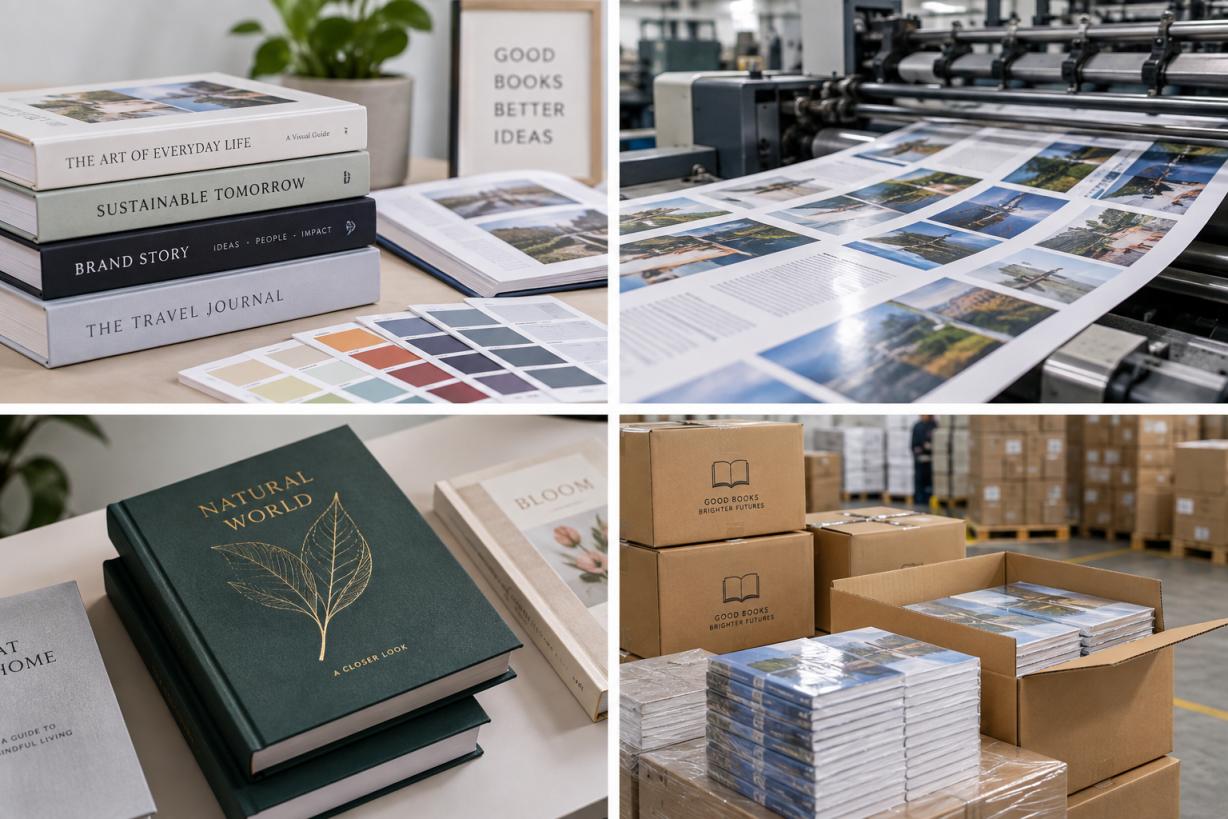
Bulk Custom Book Printing in China for Publishers and Brands
September 30, 2026
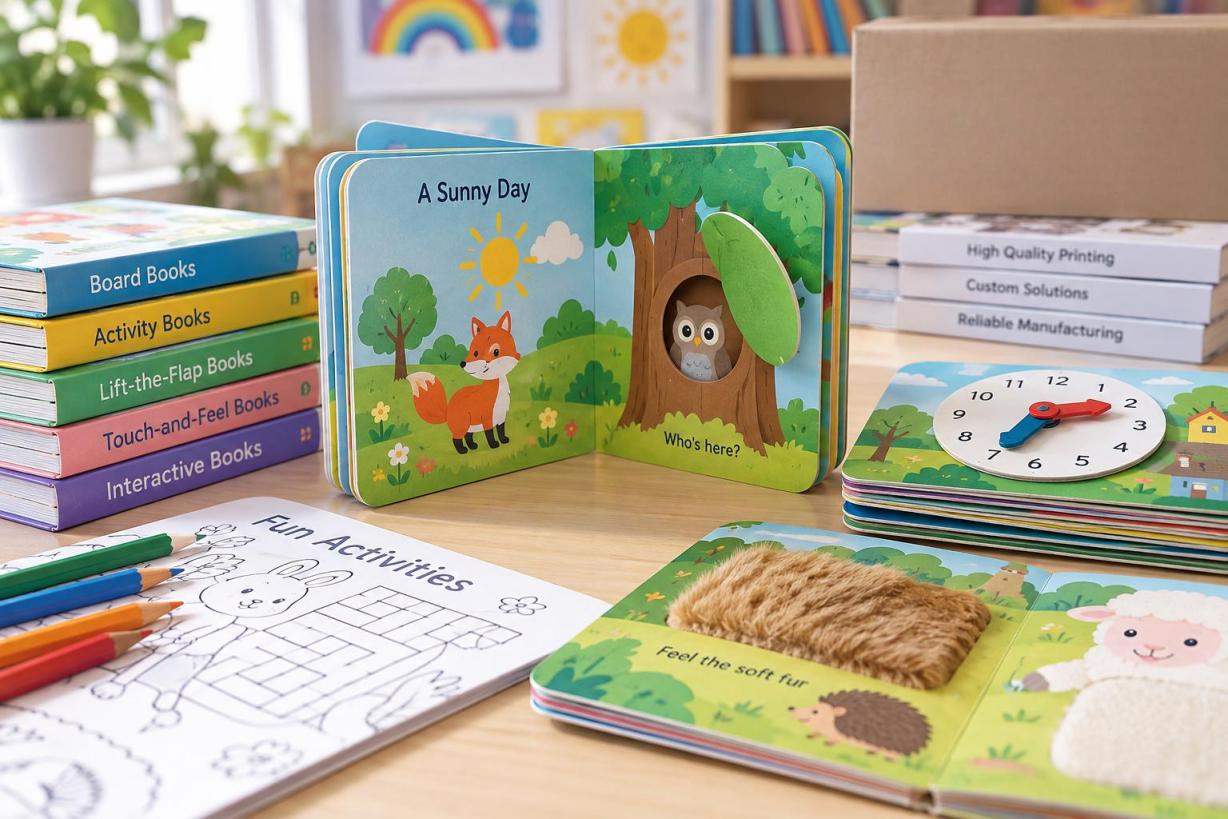
Children’s Book Printing for Publishers: 2026 Interactive Book Trends
September 30, 2026
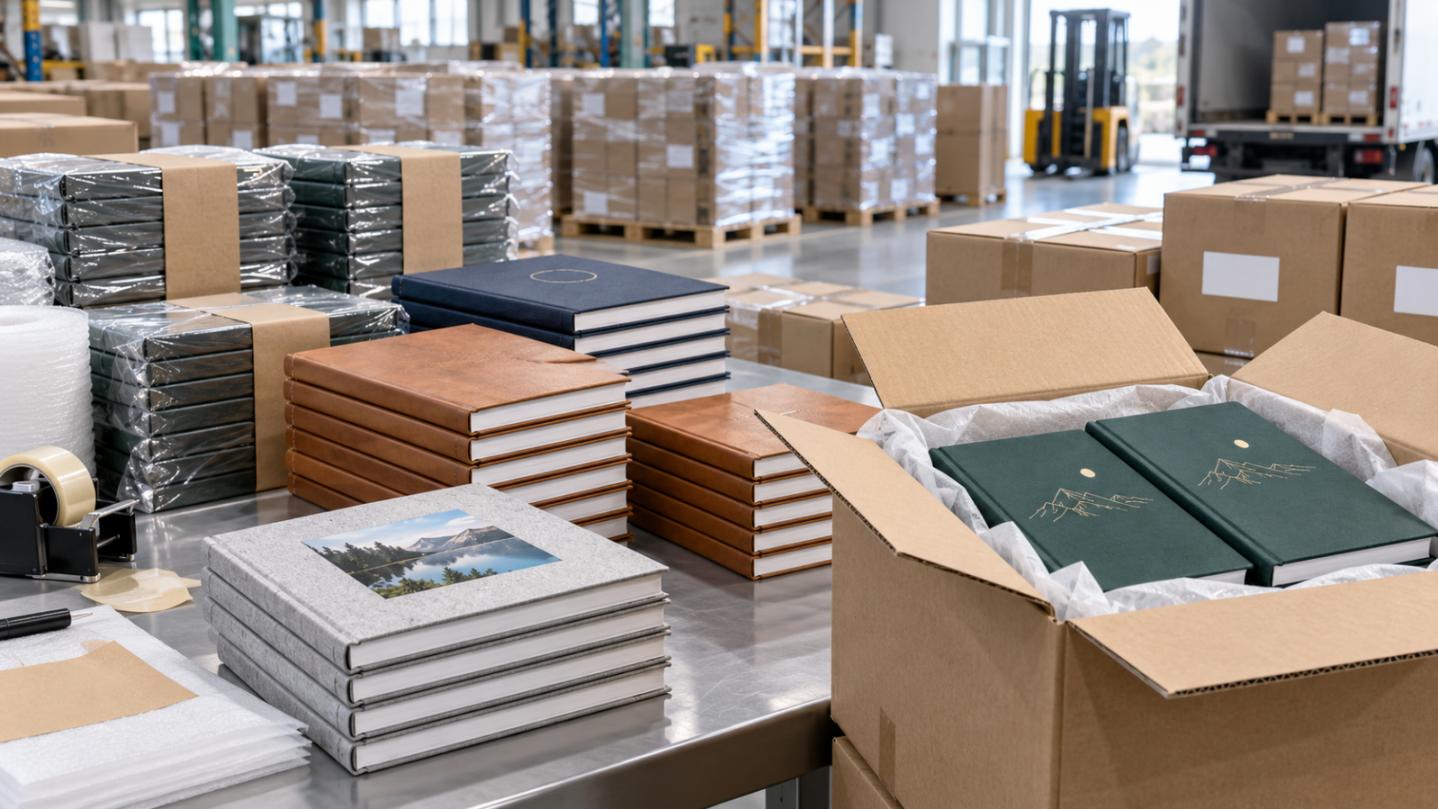
Bulk Journal Printing Quality Control: Binding Strength, Page Order and Trim Accuracy
September 29, 2026
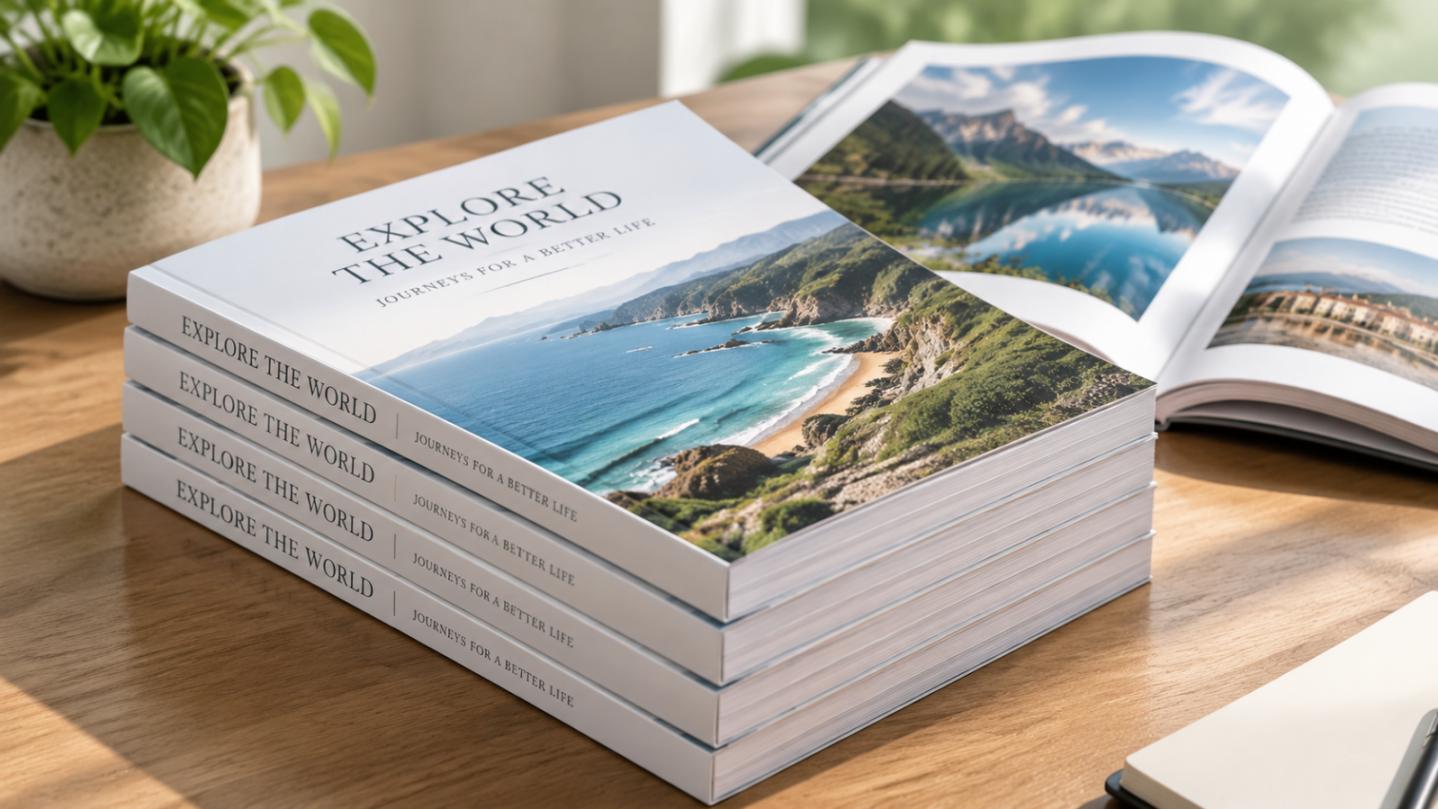
Softcover Book Printing in China: Short Runs, Bulk Orders and Reprint Planning
September 29, 2026
Children’s Book Printing for Publishers is moving beyond conventional picture books. Activity books, lift-the-flap books, tactile board books, rotating-wheel designs, and other screen-free formats are creating new opportunities—but they also introduce manufacturing challenges that publishers need to solve before approving a print run.
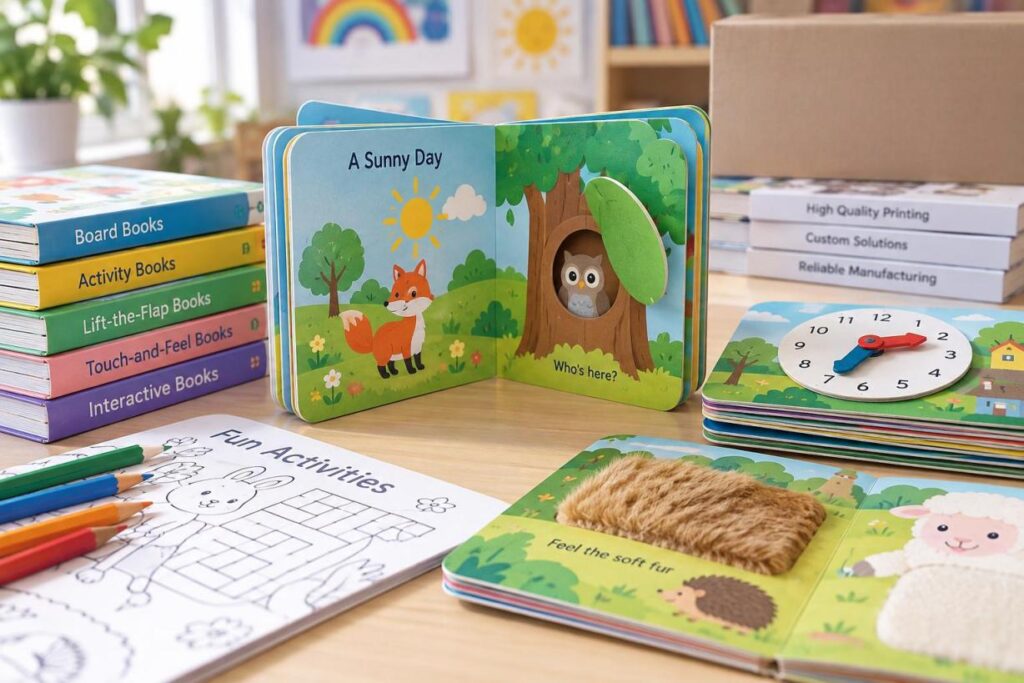
U.S. print sales of children’s activity books reached about 16.7 million units in 2025, up 18% year over year, and growth continued into 2026. For publishers, the important question is therefore not simply which format is trending, but which interaction can be manufactured consistently at the required cost, durability, and safety level.
At CAIMEI, we approach Children’s Book Printing for Publishers as a combination of printing, structural engineering, finishing, assembly, and production control.
Interactive Books Add a Mechanical Layer to Printing
A standard picture book mainly requires control over artwork, color, paper, binding, and finishing. Interactive books add moving parts and material interfaces.
A rotating wheel, for example, may require:
• Accurate registration between printed graphics and die-cut geometry
• Sufficient clearance for smooth rotation
• Controlled mounting of the rotating component
• Stable page construction around the mechanism
• Functional inspection after assembly
Lift-the-flap, peek-through, tactile, and EVA structures introduce different production risks.
The manufacturing route can therefore expand from:
Prepress → Printing → Lamination → Die-Cutting → Mounting → Component Assembly → Binding → Functional QC
This distinction matters when evaluating suppliers for Children’s Book Printing for Publishers.
Match the Format to the Learning Function
More interaction does not automatically make a better children’s book. The physical mechanism should support the editorial objective and intended reader age.
| Format | Interaction | Production Complexity | Main Cost Drivers |
| Activity Book | Writing, puzzles, coloring | Low | Paper, pages, printing |
| Board Book | Repeated page handling | Medium | Board construction, binding |
| Lift-the-Flap | Open/close discovery | Medium | Die-cutting, folding, assembly |
| Rotating Wheel | Mechanical movement | High | Tooling, alignment, assembly |
| Touch-and-Feel | Sensory interaction | Medium–High | Inserts, mounting, QC |
For example, a preschool coloring title may gain little from expensive mechanical components. A toddler learning book that depends on matching images through a rotating wheel has a stronger functional reason for the mechanism.
This content → age → interaction → construction sequence should be established before quotation.
Paper GSM Alone Does Not Define Durability
One common mistake in Children’s Book Printing for Publishers is specifying only paper weight.
GSM describes mass per unit area; it does not independently define finished page stiffness or mechanical performance. A board-book page is affected by:
• Paper stock and caliper
• Number of laminated layers
• Surface lamination
• Adhesive and mounting method
• Die-cut geometry
• Page dimensions
• Openings near edges or binding areas
CAIMEI’s interactive production includes constructions using 350gsm C1S inner stock, 400gsm C1S covers, gloss lamination, board-book laminated binding, die-cut openings, rotating wheels, and EVA components. Other tactile constructions can combine 350gsm C1S with 3mm felt spacers.
These are useful construction references, but the correct specification should be selected around the individual book rather than copied from another project.
Interactive Structures Create a Tolerance Chain
With conventional pages, a small cutting variation may primarily affect visual alignment. In an interactive mechanism, variation can affect function.
Consider a rotating-wheel page:
Print Registration → Die-Cut Position → Board Mounting → Wheel Position → Fastening → Final Trimming
Errors accumulated across these processes may produce:
• A graphic that does not align with the viewing window
• Excessive friction during rotation
• An exposed edge
• Insufficient clearance
• A component that moves differently from the approved sample
This is why Children’s Book Printing for Publishers involving mechanical structures should include physical prototype evaluation rather than relying only on PDF approval.
Physical Samples Should Test Function, Not Just Appearance
Digital proofs are useful for checking text, pagination, artwork placement, and basic prepress issues. They cannot validate mechanical performance.
Before mass production, publishers should inspect a physical sample for three separate areas:
Visual Control
• Artwork and pagination
• Print registration
• Lamination appearance
• Die-cut alignment
Structural Control
• Binding integrity
• Board/page alignment
• Component attachment
• Flap and insert construction
Functional Control
• Wheel rotation
• Slider travel
• Flap opening
• Peek-through alignment
• Repeated handling
A mechanism that works once during sample approval is not necessarily a robust design. The weakest moving, folded, or bonded component deserves particular attention.
Added Interaction Changes the Cost Structure
Page count alone is not enough to compare quotations.
| Cost Variable | Simple Book | Interactive Book |
| Printing | Major | Major |
| Die-Cutting | Limited/None | Potentially significant |
| Tooling | Low | Structure-dependent |
| Assembly | Low | Medium–High |
| Material Types | Few | Potentially multiple |
| Functional QC | Limited | Important |
A book with nine interactive spreads can therefore cost substantially more to manufacture than a conventional nine-spread book.
Publishers should simplify mechanisms that do not contribute meaningful educational value before reducing paper or print quality simply to meet a target price.
Safety Validation Starts With Product Classification
Safety requirements cannot be reduced to a generic “children’s book certificate.”
Requirements depend on:
Destination Market + Intended Age + Product Classification + Materials + Interactive Components
In the U.S., CPSC guidance distinguishes qualifying ordinary books from certain books with inherent play value and books intended for children three years old or younger. Adding non-paper or toy-like elements may also affect the compliance assessment.
For Children’s Book Printing for Publishers, safety planning should therefore occur during product development—not after bulk production. Publishers should confirm applicable chemical, mechanical, labeling, testing, and certification requirements with the relevant testing or compliance specialist for the finished design and destination market.
Build a Production-Ready RFQ
At CAIMEI, a more complete RFQ helps convert a creative concept into a manufacturable specification.
Publishers should provide:
• Finished size and page/spread count
• Intended reader age
• Order quantity
• Paper/board requirements
• CMYK or special printing requirements
• Lamination and finishing
• Binding method
• Die-cut drawings
• Flaps, wheels, sliders, felt, EVA, or other components
• Destination market
• Packaging requirements
• Physical sample expectations
CAIMEI supports custom children’s book projects including board-book structures, die-cutting, interactive components, material combinations, and custom finishing, with some interactive products available from 500 copies.
From 2026 Trend to Production-Ready Children’s Book
The opportunity in 2026 is not simply to make children’s books more complicated. Successful Children’s Book Printing for Publishers requires the editorial idea and physical construction to work together.
Before production, publishers should move through a clear decision chain:
Reader Age → Learning Objective → Format → Materials → Interactive Mechanism → Prototype → Functional QC → Compliance Verification → Cost Review → Mass Production
CAIMEI performs pre-bulk production reviews for publishers creating activity books, board books, sensory books, and/or interactive format books. Prior to mass production, CAIMEI provides feedback for artwork, construction and materials, finishing, interactive elements, quantity, and sample size requirements. Providing input during early manufacturing can help locate issues surrounding structure and costs of the book, as there is still the flexibility to adjust the book design.
FAQs
Q1. What Children’s Book Printing for Publishers services does CAIMEI provide?
CAIMEI supports custom children’s book production including picture books, board books, activity books, die-cut books, and interactive formats. Specifications can be developed around size, page count, materials, binding, finishing, and interactive structures.
Q2. Can CAIMEI manufacture interactive children’s books?
Yes. CAIMEI’s interactive book capabilities include structures such as die-cut openings, rotating wheels, peek-through elements, EVA components, and tactile felt materials, depending on the project design.
Q3. What paper materials can CAIMEI use for children’s board books?
Material selection depends on the construction. Published CAIMEI examples include 350gsm C1S inner stock and 300gsm C1S cover stock for interactive board-book applications.
Q4. What is CAIMEI’s MOQ for custom interactive children’s books?
Some CAIMEI custom interactive board-book products list an MOQ starting from 500 copies. Publishers should confirm the applicable MOQ for their specific size, structure, materials, and finishing requirements.
Q5. Can CAIMEI produce lift-the-flap or rotating-wheel books?
CAIMEI supports custom die-cut and interactive structures, including rotating-wheel designs. Publishers should provide structural requirements or artwork so manufacturing feasibility can be evaluated before mass production.



NAME
text text text text. text text text text. text text text text. text text text text. text text text text. text text text text. text text text text. text text text t text xt. text text text text. text text text text. text text text t text
Contact Us
In This Article
Related Posts
Bulk Custom Book Printing in China for Publishers and Brands
September 30, 2026
Children’s Book Printing for Publishers: 2026 Interactive Book Trends
September 30, 2026
Bulk Journal Printing Quality Control: Binding Strength, Page Order and Trim Accuracy
September 29, 2026
Softcover Book Printing in China: Short Runs, Bulk Orders and Reprint Planning
September 29, 2026


