

Top 10 Factors That Affect Bulk Book Printing Costs
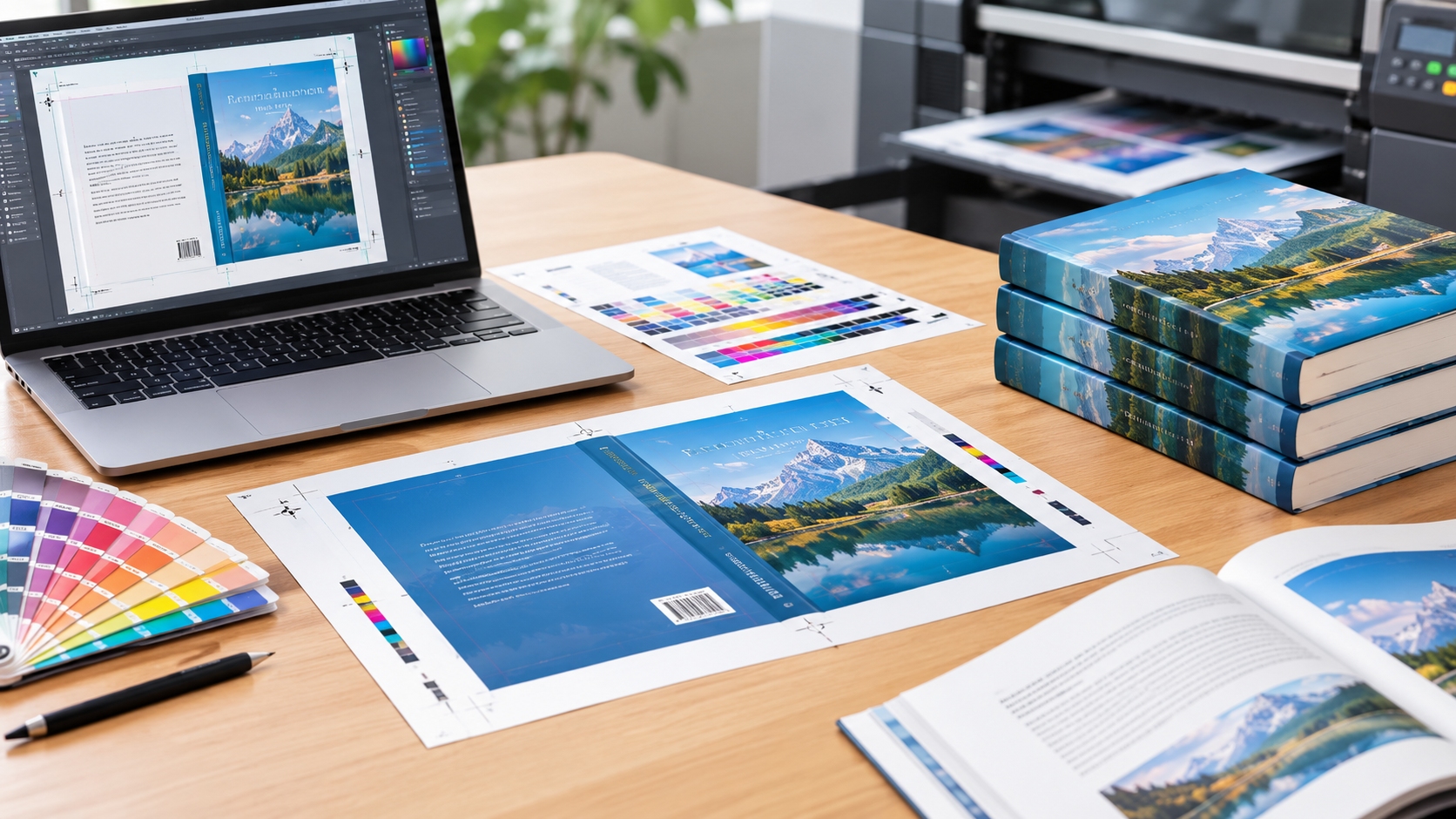

The cost of bulk book printing relies on a lot more than just the amount of books that are ordered. Quotation depends on trim size, number of pages, paper, color, binding and finishing. The actual delivery cost of the finished order will then be determined by proofing, packaging and delivery.
The relevant cost for the publisher is of the cost of the books delivered in usable form. Sometimes low price is not enough to compensate for freight charges for heavier paper or for an oversized format, which will need more material.
The following 10 factors will explain where the money goes, and which decisions deserve your attention before approving production.
1. Order Quantity and Copies per Title
Preparing the pages for printing is a preparatory process before the books are ready for production. As offset printing goes, the more copies, the lower the price per book.
There’s a problem, though: savings in the cost of the unit doesn’t equal savings in total expenditure.
The quantity of additional copies that are ordered is justified only when the demand is anticipated. Also, be able to differentiate between copies per title and overall order. Even when multiple titles are purchased at the same time, there are a number of titles that will still need to be produced with another interior.
Get two or three realistic quantities to request quotations from.
2. Finished Book Size
Trim size determines the size of pages on a printing sheet. Some dimensions make better use of the area of a sheet than others.
This can lead to waste or a different production arrangement if an unusual format is used. Books that are bigger take up more paper and shipping volume.
Always request a printout for a design change to see both the size and the cost of the printout relative to something nearby you may like. In some cases, a small change would not significantly alter the reading experience but could save money.
3. Page Count and Section Planning
Extra pages mean extra paper, printing and binding. They can also influence finished weight, package size and thickness of the spine.
This effect is not always linear. A printing page is divided into production sections and effective page layout relies on the equipment, page size and binding type.
Inquire about the proposed pagination and if it fits the production plan. Don’t add blank pages just to meet the supposed standard for a standard book; check your specific book’s requirements.
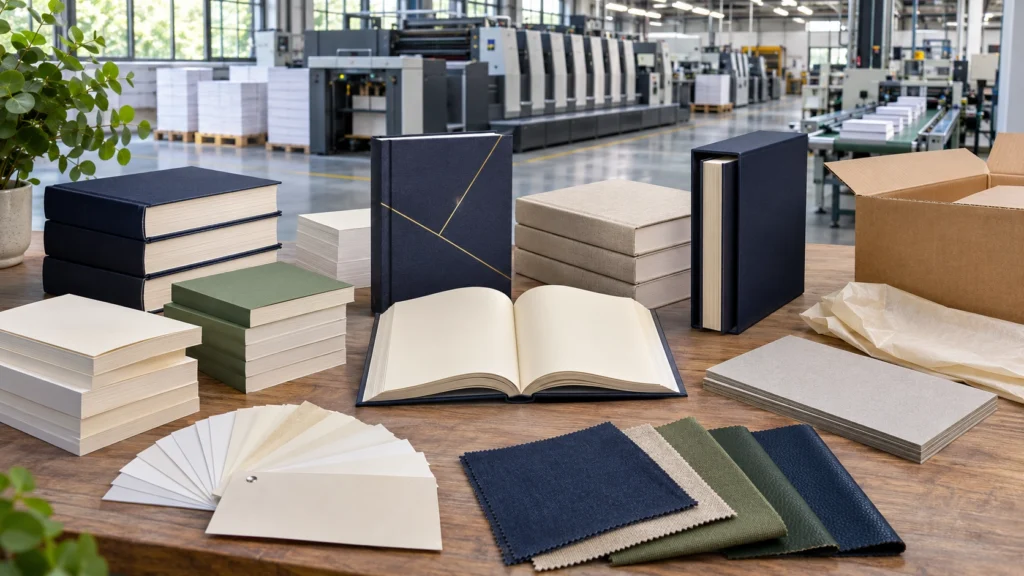
4. Paper Stock, Weight, and Thickness
The extra pages result in more paper, printing and binding. They may also affect the thickness of the spine and the package size and weight.
It’s not always a linear effect. Production areas of a printing page and page layout that works well depends on the equipment, page size and binding type.
Inquire about the proposed pagination and if it fits the production plan. Don’t add blank pages to comply with the “standard book” requirement; see what the book calls for in its particular requirements.
| Paper decision | Potential cost effect | What to compare |
|---|---|---|
| Higher paper weight | More material and shipping weight | Handling and durability |
| Specialty stock | Higher purchase cost or sourcing minimum | Distinctive appearance |
| Different paper thickness | Changes spine and packing dimensions | Finished book bulk |
| Alternative stock | May improve price or availability | Approved printed samples |
5. Black-and-White, Full Color, or Spot Colors
Press preparation, materials and production time are all impacted by interior printing requirements. Cost assumptions are not the same for a black text novel as they are for a full color art book.
Books that are mixed in colour must be planned for carefully. A small color section need not be as significant as color pages throughout the book.
Specify the location of colour on the printed piece. Do you think it would be appropriate to include a set of selected images in a separate section that changes the quotation but maintains the editorial purpose?
6. Binding Method and Cover Construction
Binding combines material costs with production work. Paperback, sewn hardcover, spiral, and other structures involve different processes.
A hardcover quotation should identify the book-block binding as well as the rigid cover. Board thickness, wrapping material, endpapers, and spine construction can all change the price.
When comparing hardcover book printing, request a clear construction specification. If the publication does not require a rigid cover, evaluate softcover book printing against the intended use and selling price.
7. Decorative Finishes and Accessories
Foil stamping, embossing, spot UV, decorative edges, ribbons, and slipcases add materials, setup, or assembly.
The cost depends on details such as coverage, number of positions, and compatibility with the selected cover. “Gold foil included” is not a complete specification.
Choose the features readers will notice or use. A hardcover book with a slipcase should be priced as a coordinated set, with its fit and protective packaging confirmed.
8. File Preparation, Proofs, and Revisions
Press preparation, materials and production time are all impacted by interior printing requirements. Assumptions about cost are different for a black text novel than for an art book in full colour.
Mixed in colour books need to be planned with great care. A small colour section does not have to be as important as pages throughout the book.
Specify the location of colour on the printed piece. Would it be acceptable to have a block of selected images in a separate section that alters the quotation, but doesn’t change the editorial.
9. Schedule and Material Availability
Press preparation, materials and production time are all impacted by interior printing requirements. This is not the same when it comes to assumptions of cost for a black text novel as opposed to a full-color art book.
Colour books must be carefully planned when using mixed colours. A small colour section doesn’t need to be as significant as pages throughout the book.
Indicate where the colour should be applied to the printed item. Would it be acceptable to have a block of selected images in a separate section that alters the quotation, but doesn’t change the editorial.
10. Packaging and Delivery Scope
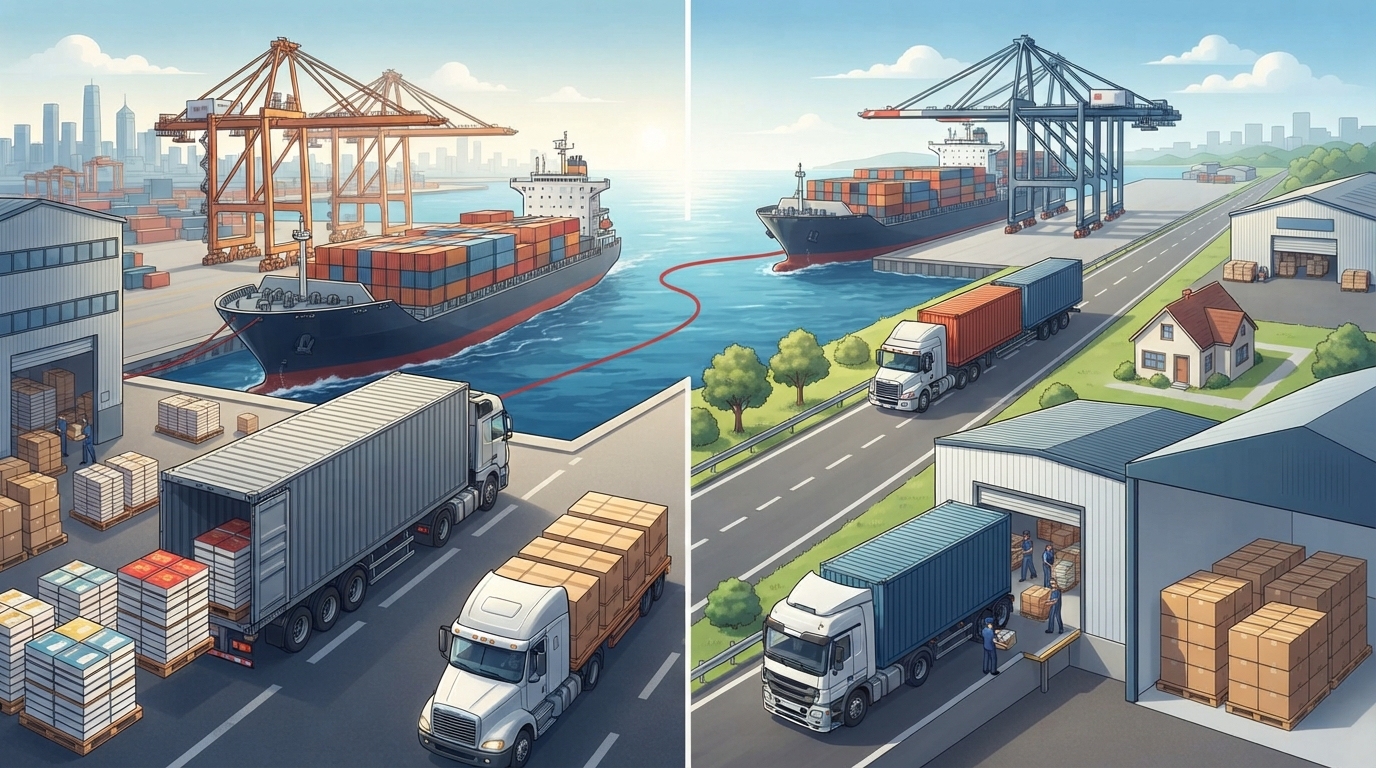
The actual packaging and transport may have a significant influence on the cost per delivered book. Everything from finished weight to carton size to shipment size to destination and delivery arrangements is important.
Individually boxes and protective wrapping increases cost, but if not adequately protected, it can result in hurt inventory.
Compare quotes for the same scope of delivery. Inquire about the included and additional charges for transportation and arrival.
| Cost layer | Items to confirm |
|---|---|
| Manufacturing | Paper, printing, binding, and finishing |
| Preparation | File corrections, proofs, and setup |
| Packing | Individual protection, cartons, and pallets |
| Delivery | Freight, destination handling, and final delivery |
| Order conditions | Payment currency, quantity allowance, and quote validity |
Frequently Asked Questions
How can I calculate the cost per delivered book?
Divide the complete order cost by the number of usable copies received. Include agreed preparation, packing, and delivery expenses.
Does doubling the quantity halve the unit price?
Usually not. Setup costs are spread further, but paper, production, packing, and transport costs still increase.
What information should I provide for an accurate quotation?
Send quantity per title, size, page count, paper, printing colors, binding, finishes, packaging, destination, and required arrival date.
Is a standard size always cheaper?
Not necessarily. Ask which dimensions work efficiently with the printer’s equipment and your chosen specifications.
Can thinner paper reduce costs?
Possibly, but compare material prices, opacity, durability, and finished thickness before making the change.
Should I remove all special finishes to save money?
Prioritize them. Request separate prices so you can judge whether each feature supports the book’s positioning.
Why do printers quote different prices for the same book?
Their assumptions may differ. Check stock, construction, proofing, quantity, packaging, and delivery before comparing totals.
What is the safest way to reduce printing costs?
Simplify specifications selectively, prepare accurate files, allow sufficient time, and compare realistic quantities using one consistent brief.
Share on Social:


