

Top 10 Book Binding Options for Publishers

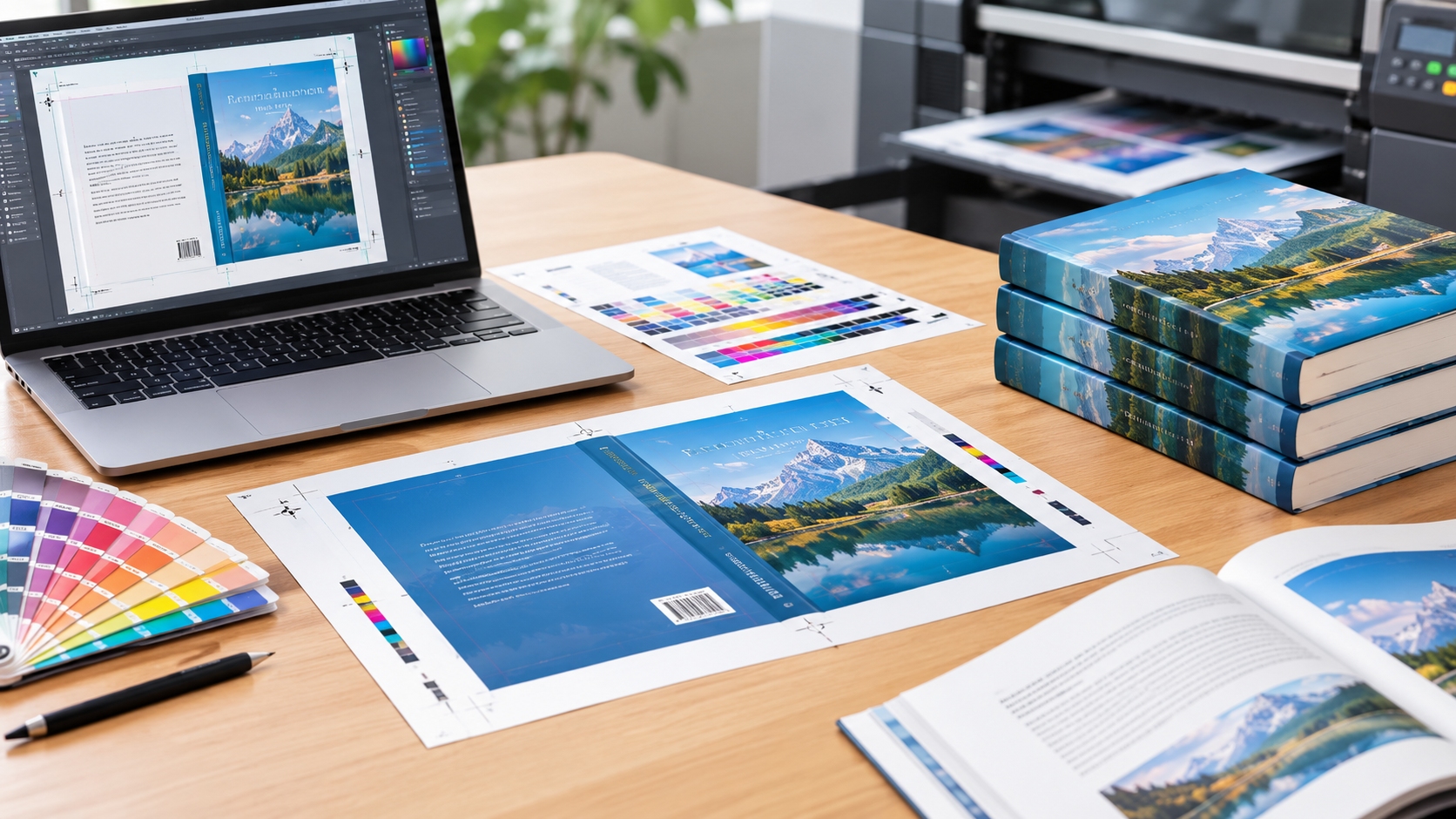
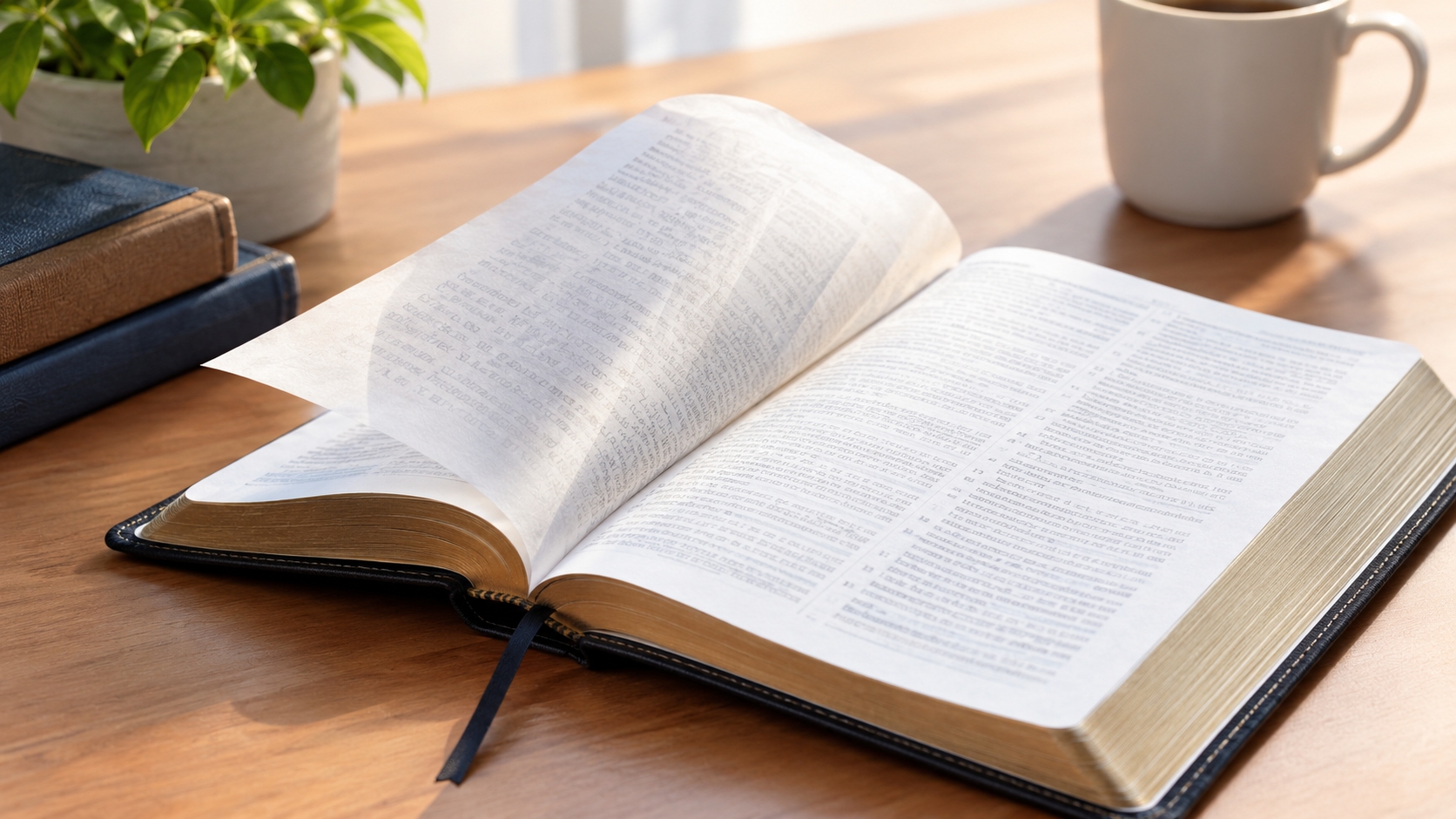
The best book binding depends on how readers will use the publication. Perfect binding suits many paperbacks, case binding provides rigid covers, and spiral or Wire-O construction works well when pages need to stay open during use.
For publishers, appearance is only part of the decision. Binding affects reading comfort, artwork margins, production cost, shipping weight, and durability. A beautiful cookbook becomes frustrating if readers must hold it open while cooking.
These ten book binding options cover common publishing needs. Some describe the cover structure; others describe how pages are joined. They can overlap, so always request the complete construction specification.
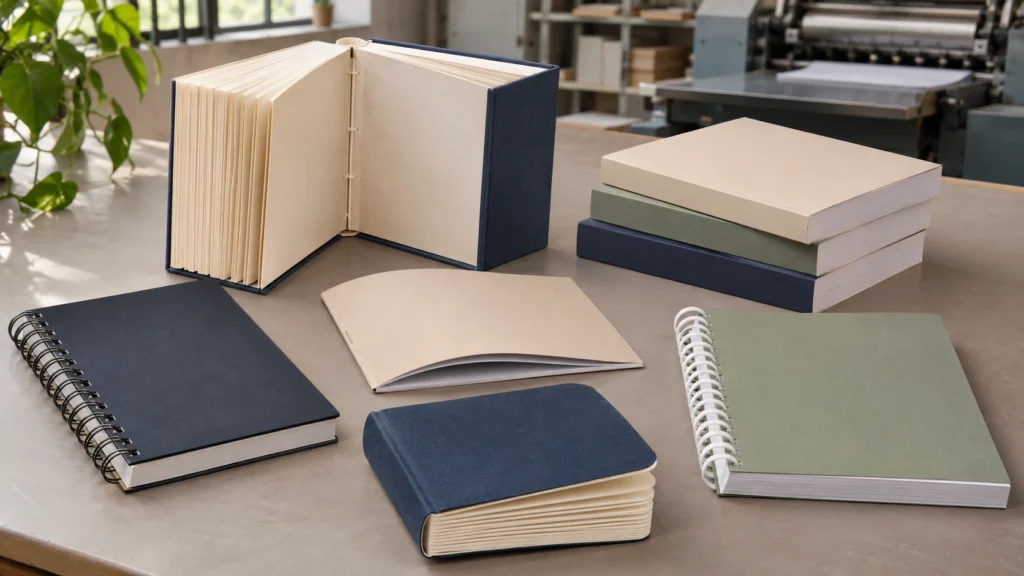
Compare Book Binding Options by Intended Use
Start with the reader’s task rather than the most expensive-looking sample.
| Binding option | Common applications | Main consideration |
|---|---|---|
| Perfect binding | Novels, catalogs, paperbacks | Gutter space and adhesive suitability |
| PUR perfect binding | Frequently handled paperbacks | Paper compatibility and curing |
| Case binding | Hardcovers, reference books | Book-block construction |
| Smyth-sewn binding | Illustrated and long-use books | Section planning and opening |
| Saddle stitching | Booklets, short publications | Thickness and page creep |
| Spiral binding | Workbooks, practical guides | Coil selection and punched margin |
| Wire-O binding | Planners, manuals, calendars | Wire closure and protection |
| Concealed Wire-O | Branded planners, reference guides | Cover design and assembly |
| Lay-flat adhesive binding | Cookbooks, illustrated publications | Exact construction and sample behavior |
| Board book binding | Early-learning titles | Page construction and intended age |
1. Perfect Binding for Commercial Paperbacks
Perfect binding joins the prepared spine edges of a book block with adhesive and attaches a wraparound cover. It creates the familiar square spine used on many retail paperbacks.
Publishers often choose it for novels, business books, and catalogs. It offers a practical balance between presentation and manufacturing cost.
For perfect-bound paperback books, confirm the paper, adhesive, and finished thickness together. Leave sufficient inner margins: forcing a book open is no substitute for a comfortable layout.
2. PUR Perfect Binding for Suitable Paper Stocks
PUR binding is a type of adhesive binding using polyurethane reactive adhesive. It belongs within the perfect-binding family rather than representing a different cover format.
It can be useful where paper characteristics and repeated handling require careful adhesive selection.
Ask the printer why PUR suits your particular stock. Also confirm curing and handling requirements before packing. Specifying an adhesive name alone does not establish the strength of the finished book.
3. Case Binding for Hardcover Editions
Case binding places a book block inside a separately made rigid cover. The case typically consists of boards wrapped in printed paper, cloth, or another covering material.
Here is an easy detail to miss: hardcover does not automatically mean sewn.
When evaluating custom hardcover books, specify both the case and the book block. Board thickness, endpapers, hinges, and spine construction all affect the result. Ask to inspect a sample with a comparable page count.
4. Smyth-Sewn Binding for Repeated Reading
Smyth sewing joins folded sections through their folds using thread. The sewn book block can then receive a suitable hardcover or softcover construction.
It is worth considering for reference books, illustrated titles, and editions expected to receive frequent use.
However, sewing alone does not guarantee a completely flat opening. Paper grain, adhesives, spine treatment, and cover attachment also matter. Open the sample near the beginning, middle, and end.
5. Saddle Stitching for Short Publications
Saddle stitching secures nested folded sheets with wire staples through the center fold.
It suits shorter publications such as event booklets, reading supplements, and compact catalogs. Folded-sheet construction generally requires page totals in multiples of four, including any blank pages.
Thickness matters more than a universal page limit. As sheets accumulate, inner pages extend farther outward before trimming. This is called creep, and the printer should account for it when planning margins.
6. Spiral Binding for Hands-Free Use
Spiral binding threads a continuous plastic or metal coil through punched holes along the page edge.
Readers can turn pages around the spine, making it useful for training guides, activity books, and workbooks.
A custom A5 spiral journal illustrates the format’s practical appeal. Check the punched margin, coil diameter, and finished ends. Test page turning throughout the book, especially with heavier covers or mixed paper stocks.
7. Wire-O Binding for Planners and Manuals
Wire-O uses paired metal loops to hold punched pages together. It allows comfortable flat opening and pages that fold back.
Publishers often consider it for planners, calendars, and instructional publications.
Inspect the closed wire carefully. Poor closure can interfere with page movement or allow pages to escape. Protective packing also deserves attention because compressed wire can affect how the finished book functions.
8. Concealed Wire-O for a Covered Spine
Concealed Wire-O combines mechanical binding with a cover designed to hide some or all of the wire when closed.
It can provide a printable spine while retaining practical page movement, depending on the construction.
This option requires coordinated cover development. Ask exactly how the wire is concealed and how the covers open. A photograph of the closed book tells you very little about its usability.
9. Lay-Flat Adhesive Binding for Easier Opening
Some adhesive binding systems separate the cover spine from the book-block spine to improve opening behavior.
They can suit cookbooks, manuals, and illustrated publications where readers need a wider opening.
“Lay-flat” is a performance description used for several constructions. Ask the supplier to explain the proposed method. Approve a physical sample rather than assuming that every lay-flat quotation describes the same product.
10. Board Book Binding for Thick Pages
Board books use thick, rigid pages assembled into a book structure. They are common in early-learning publishing, where easy page handling is important.
This is more than a cover choice. Page thickness, folds, attachment, corners, and coatings all require attention.
Specify the intended reader age and sales market. Agree on relevant testing requirements and inspect a representative finished sample before approving bulk production.
What Should Publishers Confirm Before Ordering?
Give each printer the same brief. Otherwise, two attractive quotations may describe different books.
| Item | What to confirm |
|---|---|
| Finished format | Size, orientation, page count, and thickness |
| Paper | Stock, weight, grain direction, and coating |
| Construction | Page attachment, adhesive, sewing, and cover |
| Artwork | Gutter, bleed, punching area, and spine template |
| Sample | Production similarities and known differences |
| Inspection | Page security, opening, alignment, and appearance |
| Packing | Protection for corners, covers, and exposed bindings |
Frequently Asked Questions
Which binding is best for a novel?
Perfect binding is a common paperback choice. A hardcover edition may use case binding with either a sewn or adhesive-bound book block.
Are hardcover books always more durable?
Rigid covers protect the contents, but durability also depends on page attachment, hinges, materials, and manufacturing quality.
What is the difference between spiral and Wire-O?
Spiral uses a continuous coil. Wire-O uses paired wire loops. Both support flat opening but differ in appearance and construction.
Which binding works best for cookbooks?
Consider how the book will stay open. Spiral, Wire-O, or a suitable lay-flat structure may help; compare physical samples.
Does every sewn book open flat?
No. Sewing supports the structure, but opening behavior depends on the complete combination of paper, spine, adhesive, and cover.
Can binding change after artwork is finished?
Yes, but margins, pagination, cover dimensions, and spine artwork may need revision. Confirm binding before final file preparation.
Is there one page limit for each method?
No universal limit applies across all printers. Paper thickness, format, equipment, and construction determine practical limits.
How should publishers compare binding quotations?
Keep paper, size, quantity, and finishing consistent. Compare construction details and approved samples alongside the price.
Share on Social:


