

How Does Book Trim Size Affect Printing Cost?

The book size is a factor that influences the cost of printing because it consumes paper, utilizes paper to print the book, influences the number of pages that are being printed, binding, and shipping weight. Only if the arrangement and layout of the book make it cheaper is a smaller book cheaper.
The question of publishers it needs to ask isn’t just, “Which size is cheaper?” So, it’s, “What dimensions provide the best reading experience without driving up production costs?”
Sometimes, a small change in size can yield benefits in manufacturing. In some other instances, reducing the size of the pages makes it too numerous to save.
What Is Book Trim Size?
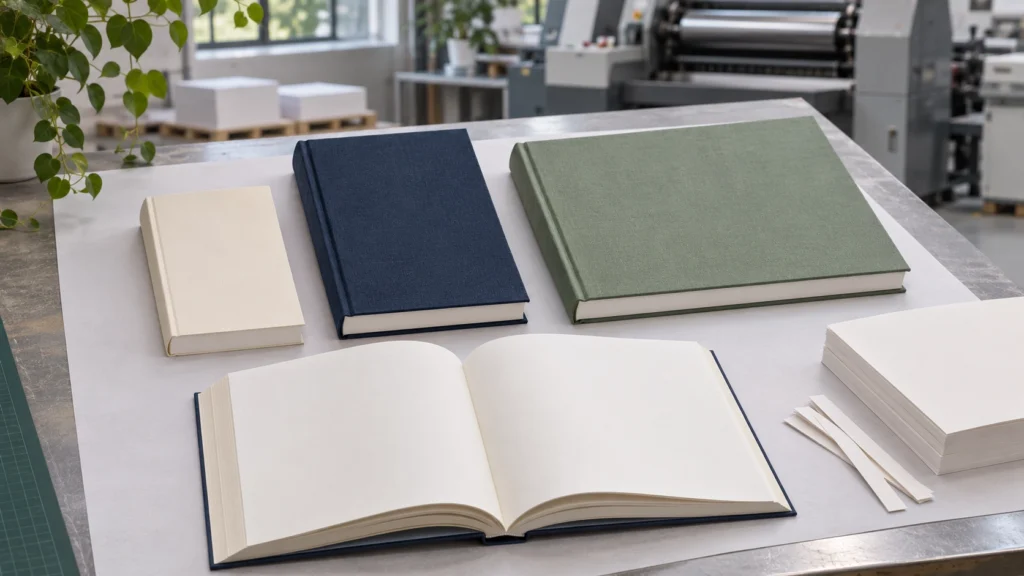
Trim size refers to the width and length of the book after the pages have been cut to the dimensions of the book. It is usually given in terms of width times height, e.g., 6″ x 9″ or 152mm x 229mm.
It does not include the size of the art work, only the size of the paper.
The outer case may go over the edges of the pages for hardcover books. Check if a quotation is for the trimmed book block or for the book cover.
Also include the orientation. The portrait book size (210 × 280 mm) can be different from the landscape format (280 × 210 mm) arrangement for production.
Paper-Sheet Utilization Can Change the Price
Multiple pages are laid out on a larger sheet before being printed, folded and cut. This is known as imposition.
The dimensions can affect the number of pages that fit and space required for bleed, gripping, folding, etc.
A strange size will result in more paper being left unused. But not all printers will be best suited to a familiar retail size.
Discuss with the students what the nearby dimensions are that would be appropriate for the available paper, equipment, and binding. When there is possibility of setting up a more efficient arrangement, small changes can have a difference.
| Size-related factor | Potential cost effect | What to ask the printer |
|---|---|---|
| Pages fitting on a sheet | Changes paper use and press requirements | Which dimensions improve utilization? |
| Sheet availability | May affect sourcing and waste | Is the proposed stock readily available? |
| Orientation | Can change folding and equipment suitability | Does landscape alter the production plan? |
| Bleed and finishing space | Reduces usable sheet area | Has the quotation allowed for all processes? |
| Paper grain direction | Influences folding and opening behavior | Is the proposed arrangement suitable for binding? |
Smaller Pages Can Increase Page Count
If the trim size decreases but the material remains the same, most often it will need a layout review.
A smaller page might contain a few less words or images. This can therefore lead to more pages to be needed if comfortable type sizes and margins are used.
This translates into more paper, further printing, thicker spine, and perhaps new binding needs.
Suppose you have a hypothetical manuscript that will take 240 pages at size 1 but 288 pages at size 2.Suppose you have a hypothetical manuscript that requires 288 pages, but when it is printed at size 2, it takes 240 pages. The smaller format is the same size as an 8.5×11″ paper, but only requires 48 pages.
You won’t find that one version is necessarily less expensive than the other. Request the printer to provide a price for the precise number of pages required for each design.
Compare Total Paper Area as an Early Check
A rough paper-area calculation can help publishers understand the relationship between size and pagination:
Comparative interior area = page width × page height × page count
This is a planning comparison, not a paper-purchasing formula. It excludes production waste, sheet arrangement, covers, and other manufacturing factors.
| Illustrative option | Trim size | Pages | Comparative interior area |
|---|---|---|---|
| Larger format | 6 × 9 inches | 240 | 12,960 square inches |
| Smaller format | 5.5 × 8.5 inches | 288 | 13,464 square inches |
| Smaller format, unchanged pagination | 5.5 × 8.5 inches | 240 | 11,220 square inches |
In this example, the smaller format with additional pages has a higher comparative area than the larger version. Actual production costs still require a quotation based on the printer’s manufacturing plan.
Cover and Binding Costs Change Too
Trim size affects more than the interior.
For custom hardcover book printing, larger dimensions generally require larger boards, covering materials, and endpapers. Changes in pagination can also alter spine width and case construction.
For paperbacks, cover dimensions depend on the front, back, spine, and required production allowances.
A large landscape book may place different demands on binding and handling than a compact portrait title. Ask the manufacturer to assess the complete construction rather than pricing interior paper alone.
Illustrated Books Need a Different Size Discussion
The scale of the images is critical to art books, photography books, and children’s publications.
Reducing the trim size could make the product less durable even if it is cheaper to make. Captions get crowded; visual details are lost, or spreads are not as effective as intended.
Use the smallest sizes that cover the content. Then explore local formats that will make production more efficient.
Avoid solving a paper-cost problem by making the book difficult to use. The physical dummy is used to test size and handling before an artwork is finalized.
Packaging and Freight Follow the Finished Dimensions
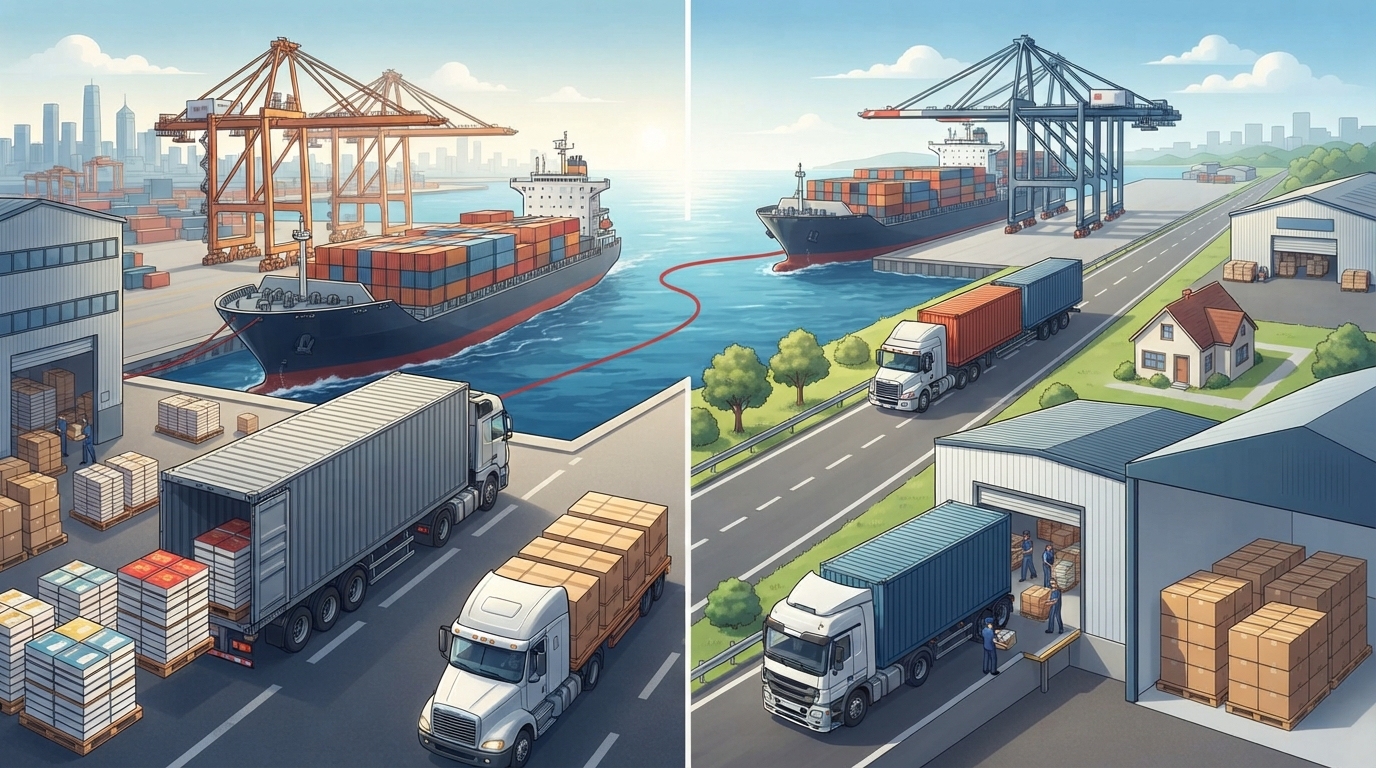
Larger books can require bigger cartons and occupy more shipping space. If they also use more paper or heavier covers, shipment weight may rise.
The effect depends on the complete specification and packing arrangement.
A hardcover book with a slipcase needs additional allowance for the case, protection, and carton fit.
Request packed dimensions and gross weight for each serious option. Compare delivered costs, particularly when manufacturing savings are small enough to be offset by transport or handling differences.
Request Two Useful Size Alternatives
Give the printer your preferred dimensions and ask for one or two nearby alternatives.
Keep paper, quantity, printing colors, binding, and finishes consistent. Where pagination changes, show the revised page count clearly.
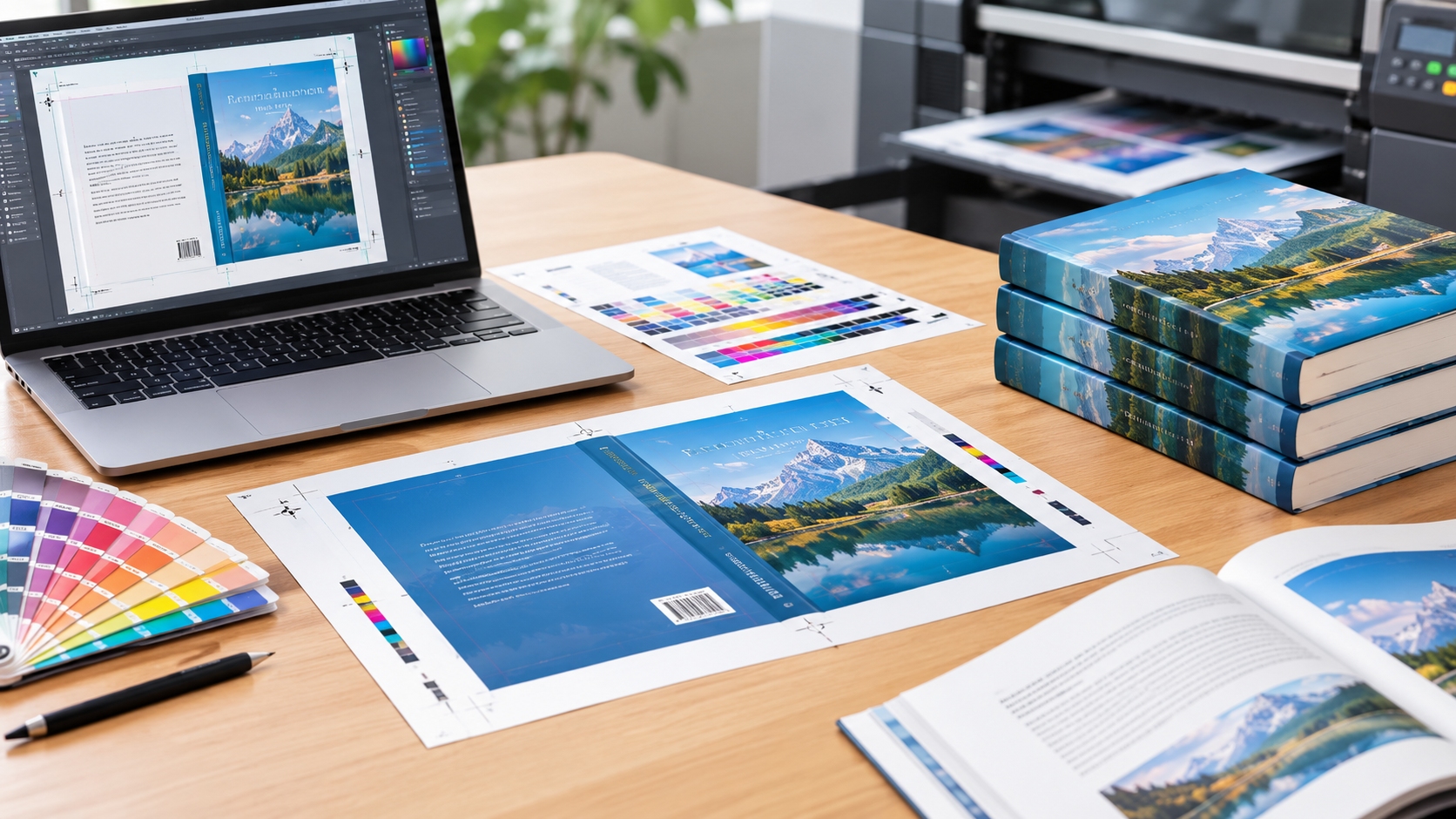
For perfect-bound paperback books, finalize the interior layout before requesting the production cover template. A trim-size or pagination change can affect the spine and cover artwork.
Compare the physical experience, manufacturing total, packed shipment, and design work required. The strongest option balances those factors around the publication’s purpose.
Frequently Asked Questions
Is a smaller book always cheaper to print?
No. Additional pages, inefficient sheet utilization, or different binding requirements can reduce or eliminate the saving.
Are standard book sizes always more economical?
Not universally. Efficiency depends on the printer’s sheet sizes, equipment, paper availability, and production method.
Does trim size include bleed?
No. Trim size describes the finished page dimensions. Artwork including bleed extends beyond those edges.
Should hardcover dimensions include the cover overhang?
Specify whether you mean the trimmed pages or overall case. Confirm both where accurate finished dimensions matter.
Can I change trim size after completing the layout?
Yes, but pagination, image placement, margins, and cover artwork may need revision. Ask for an updated quotation.
Does landscape orientation cost more?
Sometimes. Equipment suitability, imposition, binding, and handling determine the effect for the particular project.
How can I compare two formats fairly?
Use final page counts and consistent materials, quantities, and finishes. Compare the complete delivered cost rather than unit printing price alone.
When should publishers finalize trim size?
Decide early enough to guide layout, paper selection, and binding. Confirm it before final artwork and production sample approval.
Share on Social:


