

When Should Publishers Approve a Pre-Production Book Sample?

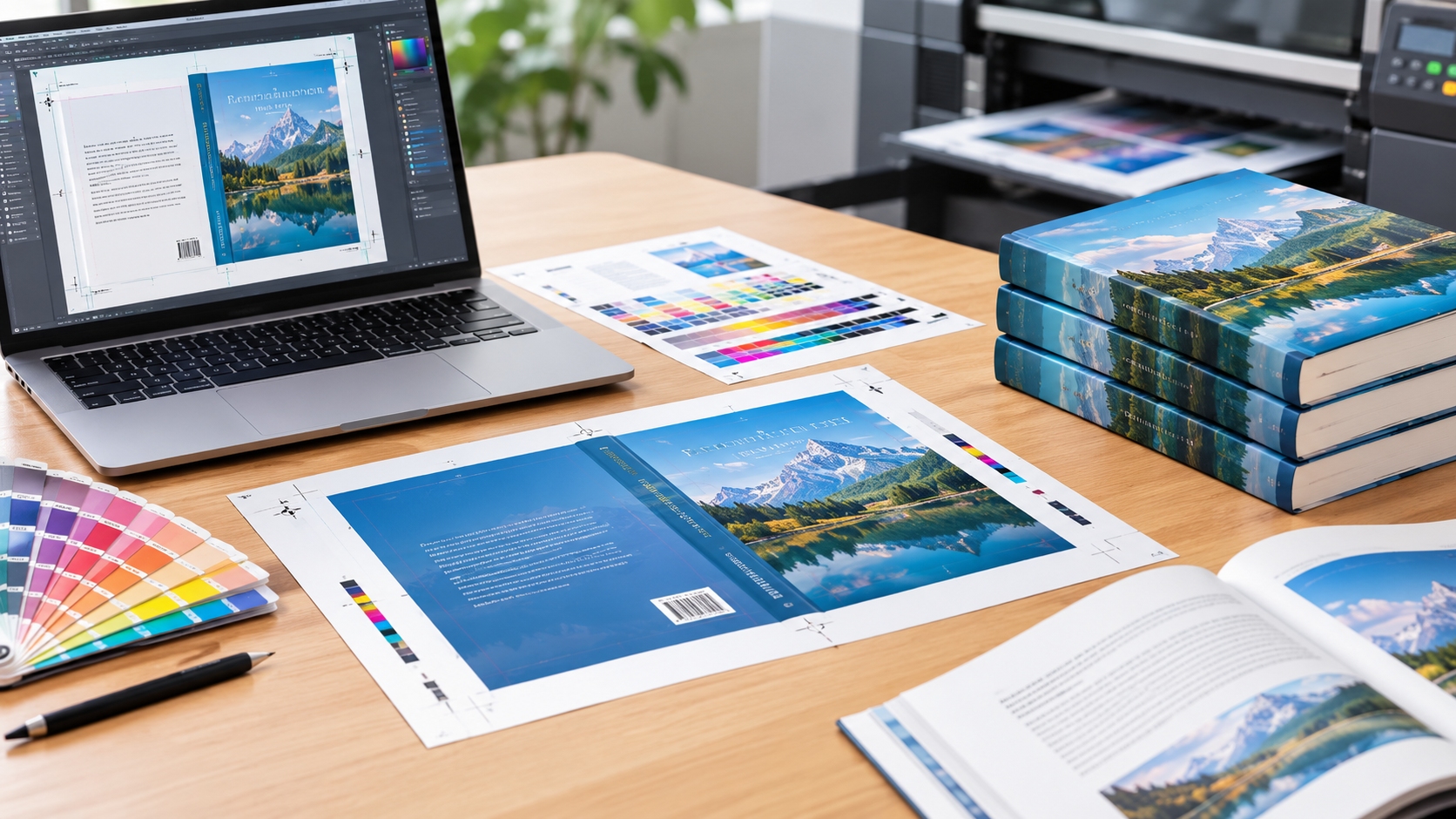

Publishers should approve a pre-production book sample after the specifications and artwork are finalized, the sample has been checked against agreed requirements, and any differences from bulk production are documented. Approval should come before the manufacturing stages it is intended to authorize.
That last point matters. A structural sample may approve construction without approving color. A finished sample may demonstrate binding and decoration while using a different printing process.
The right moment depends on what you are approving—not simply when a package arrives from the printer.
Establish What the Sample Is Supposed to Prove
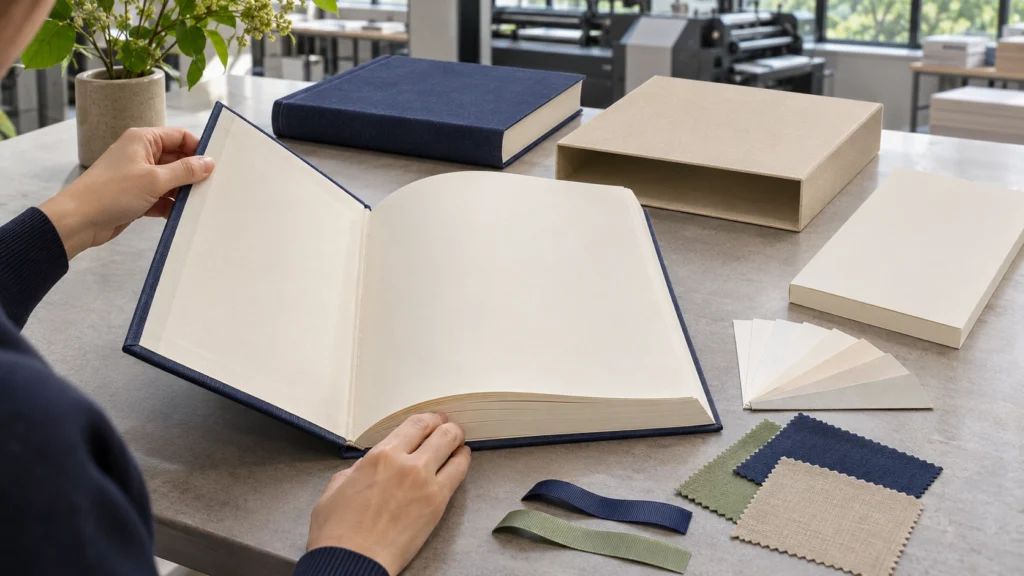
“Pre-production sample” can describe several different things. Before reviewing one, ask the manufacturer what it represents.
Does it use the proposed paper? Is the cover material final? Was the interior produced using the intended printing method? Are the foil, ribbons, and endpapers representative?
A sample with substitutions can still be useful, provided those limitations are clear.
| Sample type | What it can help approve | What may remain unapproved |
|---|---|---|
| Blank structural dummy | Size, thickness, materials, and opening | Artwork and printed color |
| Printed bound sample | Layout, handling, and construction | Production color or finishing differences |
| Decoration sample | Foil, embossing, texture, and placement | Complete book assembly |
| Production-representative sample | Agreed materials and processes | Any explicitly listed exceptions |
Ask for a written explanation of substitutions. Do not let a convincing appearance stand in for an agreed specification.
Finalize the Production Brief First
Sample review becomes unreliable when the underlying specification keeps changing.
Confirm trim size, page count, paper, printing colors, binding, cover materials, and accessories before the final approval stage. Connect these details to a dated specification sheet.
For custom hardcover book printing, identify the book-block construction separately from the rigid case. Sewing, endpapers, hinges, and covering materials all deserve explicit confirmation.
If a specification changes after sampling, ask which parts of the approval must be repeated.
Check the Artwork Version Before Anything Else
Make sure the sample and approval files relate to the correct edition.
Check the title, language, pagination, copyright information, and revision reference. Confirm that the printer has the final interior, cover, and any separate jacket or slipcase artwork.
A sample may have been made from an earlier file while editorial changes were still underway. That does not make it useless, but it limits what you can approve.
Name the authorized production files in writing. Avoid instructions such as “use the latest version” when several files have circulated.
Review the Book as a Reader Would
Begin with ordinary use rather than immediately inspecting decorative details.
Open the book near the front, middle, and back. Read text close to the gutter. Turn pages repeatedly and check whether illustrations or captions disappear into the binding.
For writing-based publications, test the intended writing area with suitable pens.
With perfect-bound paperback books, assess reading comfort without forcing the spine flat. The expected opening behavior should suit the actual construction.
Then inspect the technical details systematically.
| Review area | Practical checks |
|---|---|
| Format | Dimensions, orientation, thickness, and weight |
| Interior | Page sequence, margins, images, and blank pages |
| Paper | Shade, feel, opacity, and agreed stock |
| Binding | Page attachment, opening, alignment, and visible defects |
| Cover | Material, spine placement, hinges, and corner finishing |
| Decoration | Position, clarity, coverage, and surface condition |
| Accessories | Ribbons, pockets, jackets, inserts, and packaging |
Record findings while the sample is in front of you. Memory is a poor substitute for annotated photographs and written notes.
Treat Color Approval as a Separate Decision
A physical book is not automatically a reliable color reference for the bulk run.
Ask how the sample was printed and whether it uses the intended paper. If either differs, discuss what color expectations it can reasonably establish.
For image-sensitive publications, agree on the reference used to evaluate production. Identify important photographs, skin tones, neutral areas, or brand colors rather than asking for an undefined “perfect match.”
Check under consistent viewing conditions. Photographs sent through messaging apps can help communicate a concern, but they should not become the sole basis for approving critical color.
Test Accessories with the Finished Book
Accessories affect usability and dimensions. Review them together rather than approving each from separate photographs.
A hardcover book with a slipcase should slide in and out comfortably while remaining appropriately supported. Check the actual fit with the agreed covering materials and any jacket.
Inspect ribbon placement, pocket attachment, inserts, and protective wrapping where included.
Packaging approval is a separate checkpoint when the sample arrives without representative export packing. Confirm how corners, covers, and decorated surfaces will be protected during shipment.
Choose a Clear Approval Status
Avoid a vague response such as “looks good.”
Use a status that tells the printer exactly what may happen next.
Approved: The defined sample characteristics are accepted, and the named production stage may proceed.
Approved with documented changes: Specific changes are required. State whether revised evidence is needed before production continues.
Not approved: List the unresolved issues and the next review requirement.
For significant changes to paper, binding, dimensions, or decoration, a revised physical sample may be necessary. For a small text correction, revised digital artwork may be sufficient. Match the evidence to the change.
Make Approval Specific and Traceable
The approval message should identify the sample, specification revision, artwork files, accepted exceptions, required corrections, and authorized production scope.
Assign one person to consolidate feedback. Conflicting instructions from editorial, design, and purchasing teams can delay production or leave decisions unresolved.
Ask the manufacturer to retain an agreed reference sample where practical, and keep your own. Sample approval establishes a reference; it does not replace production quality checks or inspection before dispatch.
Frequently Asked Questions
Should publishers approve the sample immediately to protect the schedule?
Allow enough review time in the project plan. Rushed approval can move unresolved problems into the bulk order.
Can a blank dummy approve the whole book?
No. It can demonstrate agreed structural characteristics, but it cannot establish final artwork or printed color.
Must every project have a fully finished sample?
Requirements depend on complexity, prior production experience, and the questions that need answering. Agree on the approval plan before ordering.
What if the sample uses substitute paper?
Ask what the substitution affects. Approve only the characteristics demonstrated, and confirm the final stock through appropriate evidence.
Does sewn binding guarantee flat opening?
No. Paper, adhesives, spine construction, and cover attachment also affect opening behavior.
Can changes be made after approval?
Ask immediately. Changes may require revised files, new samples, additional charges, or schedule adjustments.
Who should give final approval?
A named representative should consolidate the publisher’s feedback and authorize production in writing.
What should happen after approval?
Confirm the production schedule, retain approved references, and continue the agreed manufacturing and inspection checks.
Share on Social:


