

How Much Does It Cost to Print 1,000 Board Books?
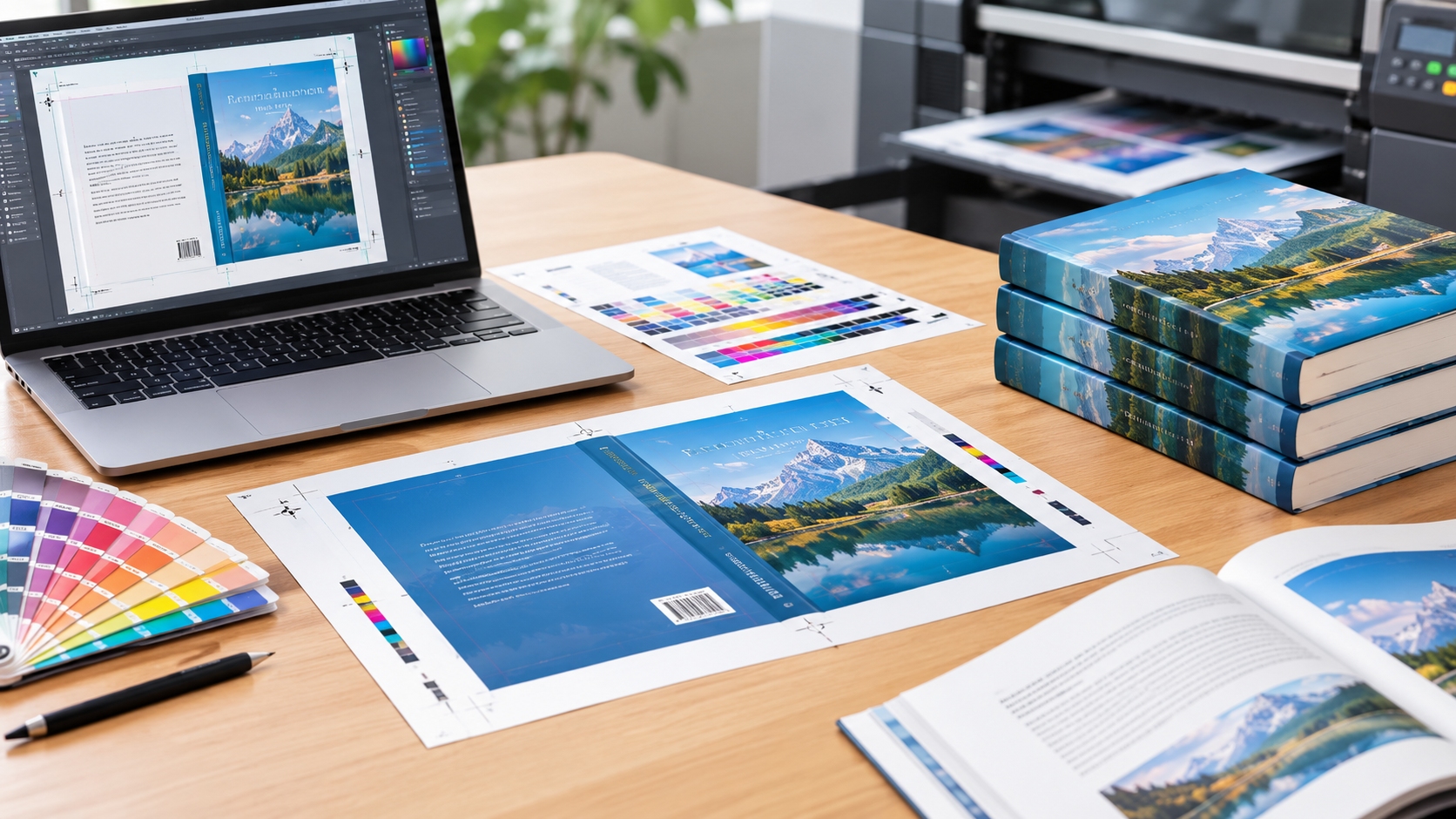

The number of board books printed and the finished size, as well as the construction of the boards, the printing, finishing, and delivery requirements all affect the cost of printing 1,000 board books. Price is not solely dependent on quantity.
Two books with the same number of pages can have vastly different budgets, with one being a simple square board book and the other being an interactive book featuring shaped pages.
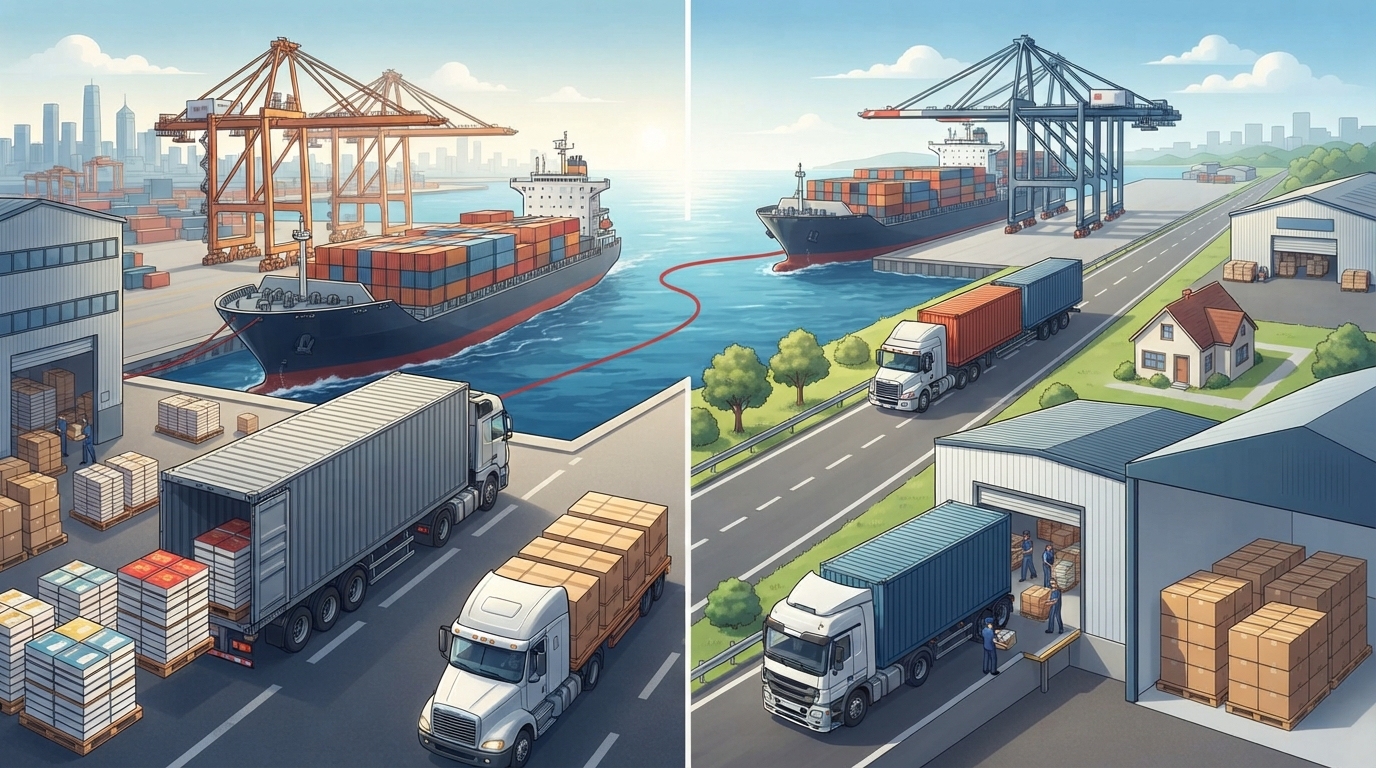
The best solution which is possible is to break down the production cost from the delivery cost and then quote for one complete specification. There are a few ways publishers can create that budget without missing any details.
What Does a Board Book Printing Price Include?
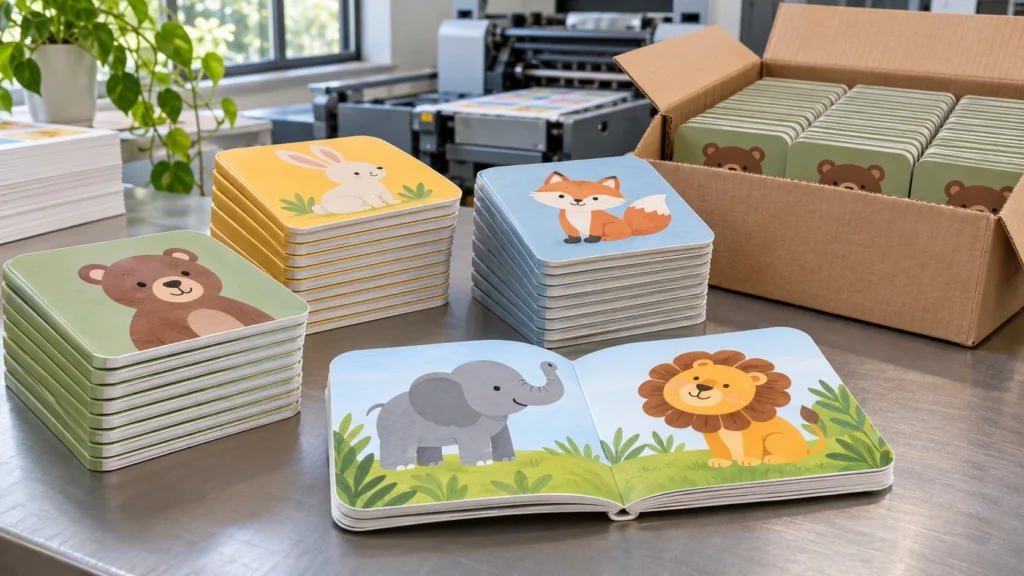
A board book is a book made of thick, hard paper or cardboard, typically assembled or glued together. It is constructed in a way that is different from a traditional hardcover with paper pages.
It’s important when asking for quotations. The terms hardcover children’s books and board book should not be synonymous.
Printing, mounting, binding, trimming and a print finish can be included in one production quotation. Samples, special tooling, individual packaging and freight are not combined.
First, make sure each supplier clarifies what is included (and what isn’t included) in the quotation before comparing the figures.
A Sample Budget for 1,000 Board Books
The following figures are hypothetical planning numbers, not market averages or a CAIMEI quotation. They demonstrate how to calculate the cost of an order.
Assume 1,000 identical, full-color board books with a simple shape, rounded corners, and no interactive components.
| Budget item | Illustrative total |
|---|---|
| Printing, mounting, and binding | $2,800 |
| Samples and setup | $300 |
| Protective packing | $250 |
| Freight and destination delivery | $900 |
| Illustrative project total | $4,250 |
For this example, the cost of the manufacturing line is $2.80 per book. The total line item budget is $4.25 per delivered copy.
These are not editing, illustration, design, storage, fulfillment or applicable taxes, duties, or testing charges. The actual quotations from suppliers might vary significantly.
The key takeaway from this lesson is: A production price is asking one question, a delivered price is asking another.
Which Specifications Affect the Price Most?
Start with the physical book. Small changes can influence several production stages at once.
| Specification | Why it affects cost | What to confirm |
|---|---|---|
| Finished size | Changes material use and packing volume | Width and height after trimming |
| Page count | Changes printing and assembly requirements | Whether covers are included |
| Board construction | Affects material, thickness, and weight | Finished leaf construction and thickness |
| Cover style | May introduce separate case-making work | Self-cover or separate hardcover case |
| Surface finish | Adds materials or processing | Exact coating or lamination |
| Special features | Can require tooling and additional assembly | Flaps, tabs, cutouts, or inserts |
Do not approve a quote that only says “thick board.” Request a measurable construction specification.
Why Page Counting Needs Extra Attention
A page is one side of a leaf. However, board book quotations can describe covers and interior pages differently.
For example, “20 pages” might include the covers in one quotation and exclude them in another. That creates an immediate problem when comparing prices.
Submit a numbered layout showing every intended surface. Ask the printer to confirm the total page count and cover arrangement in writing.
If you are also considering children’s hardcover picture books, request a separate specification. Flexible interior pages involve a different production structure.
How Do Size and Thickness Change the Budget?
Larger sizes usually means that more materials is needed however other factors that influence production efficiency are the way that the artwork fits into the sheets and equipment.
Get quotes from the printer for the size you want, as well as an available alternative. A small change might increase the efficiency without altering the reading.
A physical examination of thickness should also be done. More weighty construction may result in a heavier finished product, and impact pages-turning ease for children.
Use a blank dummy to check on size, thickness, opening and handling before the full order has started.
Which Features Increase Manufacturing Complexity?
Rounded corners, shaped outlines, lift-the-flap elements, and textured inserts should be specified individually.
An alphabet book with a simple outline is different from one with a unique die-cut shape on every leaf. Additional components can introduce more tooling, alignment, assembly, and inspection work.
Request separate prices for optional features. This makes it easier to decide which details justify their cost.
For a companion gift edition, custom hardcover book printing may offer another format to evaluate. Choose according to the intended reader and use.
Can Ordering More Than 1,000 Copies Save Money?
A larger production run can spread setup costs across more books. However, the total purchase, storage requirement, and inventory exposure also increase.
Request comparable quotations for quantities you could realistically sell, such as 500, 1,000, and 2,000 copies.
Keep the specifications identical. Otherwise, the apparent saving may come from a material change rather than quantity.
If a paperback edition suits an older audience, compare perfect-bound paperback books separately. It should be treated as a different product.
How to Request a Comparable Quote
Provide the same specification, numbered art, delivery destination and desired delivery date to each manufacturer.
Verify samples, tooling, packaging, scope of quantity variations, and shipping scope. When it comes to children’s products, set the requirement for material and testing before the product is approved, vague assurances is not good enough.
Accept a representative sample and note substitutions if made. If the same items are required to be added on as extras in a low quotation, it doesn’t look as appealing.
Frequently Asked Questions
Is 1,000 copies a suitable first run?
It can be, depending on demand, available cash, storage, and distribution. Compare realistic sales expectations with the full delivered budget.
Are board books more expensive than paperbacks?
They can be because their rigid leaves require different materials and assembly. Compare equivalent specifications before drawing conclusions.
Does the quoted price include shipping?
Not necessarily. Request the delivery basis, destination, and included charges explicitly.
Are illustration and design included?
Only if stated. Manufacturing quotations commonly assume that publishers provide print-ready artwork.
Can fewer pages reduce the cost?
They may reduce material and assembly requirements. Confirm the saving while preserving a workable story and layout.
Should I choose the thickest available board?
No. Evaluate durability, weight, handling, and binding together using a physical dummy.
Are sample fees refundable?
Policies vary. Ask whether sample or setup charges will be credited against the production order.
What information produces the most accurate quotation?
Provide size, page count, construction, cover style, printing, finish, quantity, packaging, destination, and required delivery date.
Separate reference check: published board book pricing guides confirm that specifications and quantity affect quoted costs. The budget above is illustrative.
Share on Social:


