

100gsm vs 128gsm Paper for Children’s Book Printing

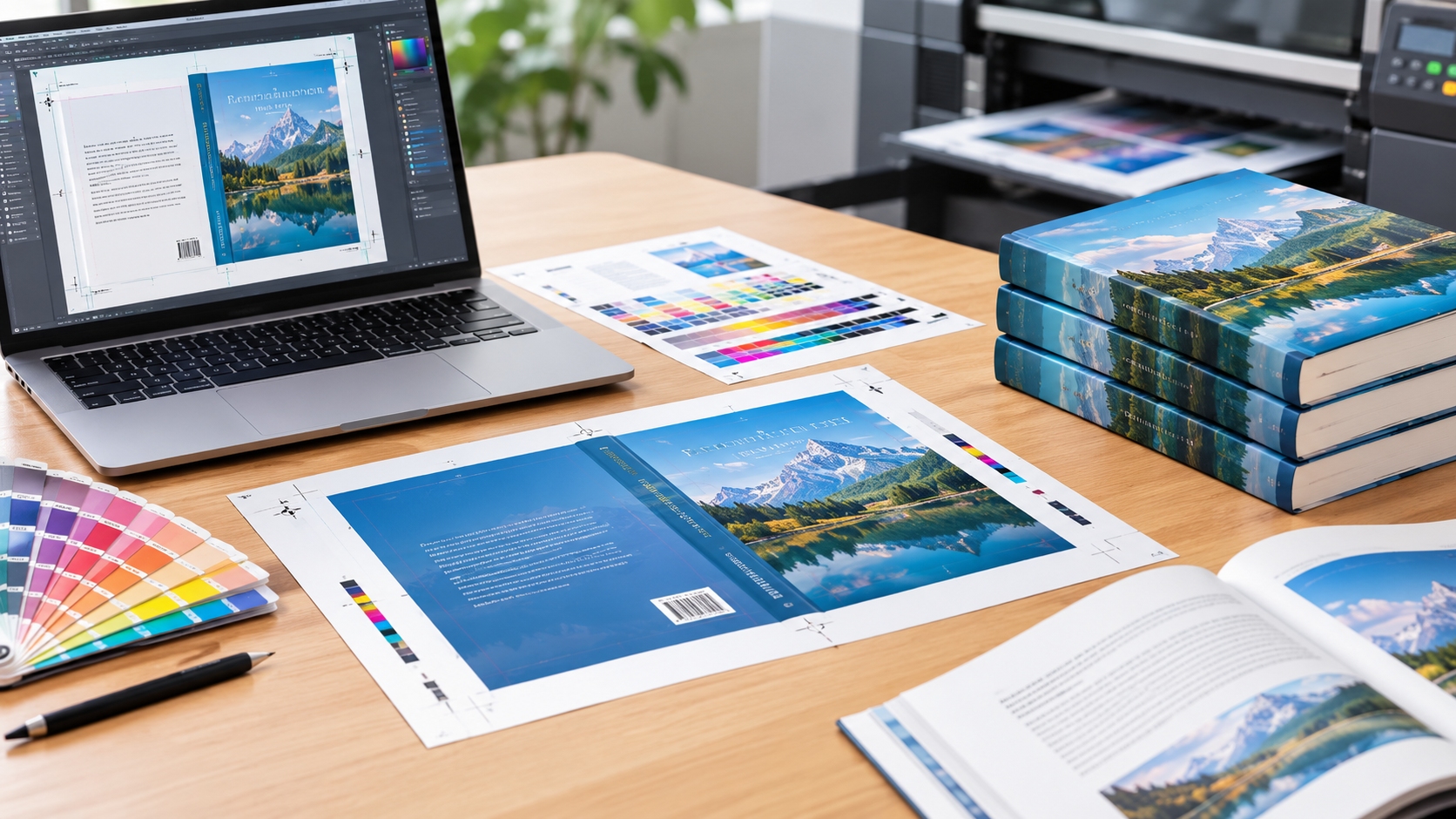

When it comes to printing, paper weight is one of the most crucial choices businesses can make, from publishers to designers and anyone else involved in the process. There are several popular options, such as 100gsm paper and 128gsm paper, which are frequently employed for brochures, flyers, catalogs, book contents, promotion and other printed materials. The weight of the paper is not that much bigger of difference (28 g/m2), but can still make a significant difference in the look and feel of your prints, in terms of thickness, flexibility, durability, etc.

Knowing the difference between 100gsm and 128gsm paper can assist in choosing the appropriate paper for your budget, design needs, and use. From marketing materials to product catalogs to informational booklets, the ideal printer will depend on the look and feel you’re going for.
This guide gives a comparison of the 100gsm vs 128gsm paper and also details the key differences between them, offering you some suggestions to guide your printing decision.
1. What Does GSM Mean in Paper?
GSM is a measure of mass per unit area, or mass per square meter. It is a unit of measurement of paper weight, and the weight of one square meter of paper.
For instance 100gsm paper equates to 100 grams per square meter and 128gsm paper equates to 128 grams per square meter. With the same paper type & manufacturing process, 128gsm paper is typically denser & heavier than 110gsm paper.
GSM is not a direct measurement of paper thickness, however. Different thicknesses can be achieved for two papers having the same GSM due to variations in fibre, coating, density and manufacturing process.
It is also important to differentiate coated paper from uncoated paper when comparing paper weights. Coated paper will tend to have a smoother surface and superior image reproduction while uncoated paper will have a more natural surface and superior writing comfort.
Knowing these qualities will help you decide which of the two papers is best: 100gsm or 128gsm.
2. 100gsm vs 128gsm Paper: Key Differences
The primary difference between 100gsm and 128gsm paper is their weight, but this difference can influence several aspects of printing and handling.
| Feature | 100gsm Paper | 128gsm Paper |
|---|---|---|
| Paper weight | 100 grams per square meter | 128 grams per square meter |
| Relative thickness | Generally lighter and thinner | Generally thicker and more substantial |
| Flexibility | More flexible | Slightly stiffer |
| Durability | Suitable for everyday printing | Often better suited to frequently handled materials |
| Print quality | Good for text and standard graphics | Excellent for images and color-rich designs when properly coated |
| Portability | Lightweight and easy to carry | Slightly heavier |
| Material usage | Lower paper consumption per area | 28% more weight per area |
| Typical applications | Book interiors, documents, flyers | Brochures, catalogs, premium leaflets |
| Cost | Often more economical | May cost more per printed area |
These differences are general guidelines rather than universal rules. Actual performance depends on paper grade, coating, opacity, surface finish, and the specifications of the printing equipment.
3. Advantages of 100gsm Paper
100gsm paper is a practical option for printing projects that require a balance between readability, flexibility, and cost efficiency.
Cost-Effective Printing
One of the main advantages of 100gsm paper is its relatively low material consumption. Compared with 128gsm paper of the same type and size, it weighs approximately 21.9% less per unit area.
This can reduce paper-related costs, particularly for large-volume printing. Businesses producing thousands of brochures, instruction sheets, or book pages may benefit from these savings.
Actual printing costs also depend on paper grade, order quantity, printing method, finishing requirements, and supplier pricing.
Lightweight and Flexible
100gsm paper is relatively easy to fold, stack, transport, and distribute. It is suitable for materials that need to remain lightweight, such as promotional flyers, product information sheets, and multi-page publications.
For printed books and magazines, lighter paper can also help control the finished product’s overall weight.
Suitable for Text and Standard Graphics
High-quality 100gsm paper can deliver sharp text, readable diagrams, and attractive graphics. For documents dominated by written content, it often provides sufficient performance without requiring a heavier stock.
When used for book interiors, the appropriate opacity is important. Thin or low-opacity paper may allow text and images on the reverse side to show through, especially when printing dark content on both sides.
Common Applications of 100gsm Paper
100gsm paper is commonly considered for:
- Book interiors and text-heavy publications
- Office documents and informational handouts
- Promotional flyers and leaflets
- Product instruction manuals
- Internal company reports
- Newsletters and lightweight booklets
For projects involving large print runs or frequent distribution, 100gsm paper can be an economical choice without necessarily compromising readability.
4. Advantages of 128gsm Paper
128gsm paper is often selected when a printed product needs a more substantial appearance, better handling characteristics, or a premium visual presentation.
A More Substantial Feel
Compared with 100gsm paper, 128gsm paper generally feels heavier and may be stiffer, depending on its construction. This can help brochures, product catalogs, and marketing materials feel more professional.
The difference is particularly noticeable when readers handle individual sheets or turn pages in a publication.
Strong Image Presentation
When 128gsm coated paper is used, its smooth surface can support detailed photographs, colorful graphics, and complex visual layouts.
For example, a travel brochure featuring landscape photography may benefit from a coated 128gsm stock because it can reproduce colors and fine details effectively.
However, the paper weight itself does not guarantee better color accuracy. Coating quality, ink system, printing resolution, and color management also play important roles.
Improved Handling for Marketing Materials
Printed materials used repeatedly at trade shows, retail locations, or business meetings may benefit from the additional substance of 128gsm paper.
Although it is not waterproof or tearproof, heavier paper may be less prone to curling or creasing under certain handling conditions. Its actual durability still depends on fiber quality, paper grain, coating, and finishing.
Common Applications of 128gsm Paper
128gsm paper is often suitable for:
- Corporate brochures and promotional leaflets
- Product catalogs with extensive photography
- Travel and tourism brochures
- Real estate marketing materials
- Event programs and presentation handouts
- Color-rich advertising materials
- Premium informational booklets
For projects where visual presentation matters as much as content, 128gsm paper can offer an effective balance between quality and practicality.
5. Is 100gsm or 128gsm Paper Better for Printing Books?
Book printing is one area where the choice between 100gsm and 128gsm paper deserves careful consideration.
The best paper depends on the book’s content, page count, binding method, retail positioning, and intended reading experience.
For Text-Heavy Books
100gsm paper is often suitable for novels, educational materials, manuals, and other publications containing mostly text.
Its lower weight can help reduce the finished book’s overall weight and make thick publications easier to handle. It may also reduce paper consumption and shipping weight in large production runs.
Nevertheless, opacity and paper bulk should be evaluated, particularly for double-sided printing.
For Photo Books and Illustrated Publications
128gsm paper may be preferable for publications featuring photographs, colorful illustrations, product images, or diagrams.
A suitable coated stock can help present these visuals clearly and provide a more substantial page feel. However, very image-heavy publications may require an even heavier paper depending on the desired finish.
For Children’s Books
For children’s books, paper selection depends on age group, illustration style, durability expectations, and binding format.
A 128gsm interior stock may provide a more substantial feel than 100gsm paper, but neither weight alone makes a book suitable for rough handling. Board books, for example, use thick paperboard structures rather than ordinary 100gsm or 128gsm text paper.
Publishers should consider page stiffness, safety requirements, binding strength, and the intended reading environment before selecting materials.
6. 100gsm vs 128gsm Paper for Brochures and Flyers
Brochures and flyers serve different marketing purposes, so the right paper weight depends on the desired result.
For mass-distribution flyers, 100gsm paper can be a sensible option. It is lightweight, relatively economical, and suitable for campaigns involving large quantities of printed materials.
For brochures distributed to potential clients, trade show visitors, or business partners, 128gsm paper may provide a more substantial presentation. It is especially useful for designs featuring product photography, brand imagery, and detailed visual content.
A useful approach is to match paper weight with the expected lifespan of the material.
- Short-term promotions: Consider 100gsm paper for economical, high-volume distribution.
- Corporate marketing: Consider 128gsm paper for a more substantial appearance.
- Premium product catalogs: Compare 128gsm with heavier coated options and test the finished samples.
- Folded brochures: Check the paper’s grain direction and folding performance to minimize cracking, especially with coated stocks.
For many projects, paper finish and folding quality can be just as important as the difference between 100gsm and 128gsm.
7. Does 128gsm Paper Cost More Than 100gsm Paper?
In general, 128gsm paper uses more material per square meter than 100gsm paper. At the same sheet size and with the same paper grade, the heavier option will often have a higher material cost.
The weight difference can be calculated as follows:
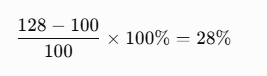
Thus the weight of 128gsm paper is 28% greater than the weight of 100gsm paper.
This is not to say the final printing order will be 28% higher. Things such as printing setup, labor, finishing, agreements with the paper supplier, waste, and quantity discounts all impact the cost.
For instance, a big catalog ordering could involve significant printing and binding expenses in addition to paper expenses. In such instances, upgrading from 100gsm to 128gsm can be a relatively insignificant percentage of the finished production costs.
When asking for quotes, ask for them to be based on the same paper type, size, printing methods, quantity, and finishing methods.
8. How to Choose Between 100gsm and 128gsm Paper
Before placing a printing order, evaluate the following factors.
Consider the Purpose
Start by identifying how the printed material will be used. Everyday documents and lightweight handouts may not require heavier paper, while premium marketing materials may benefit from additional substance.
Evaluate Image Requirements
If your design contains many photographs or saturated colors, consider coated paper and request printed samples. The surface finish can have a significant effect on the final appearance.
Check Opacity and Thickness
Do not select paper based on GSM alone. Ask your supplier about opacity, caliper, paper bulk, and whether the stock is suitable for double-sided printing.
Review Binding and Folding Requirements
A heavier stock can affect spine thickness, folding performance, and binding compatibility. For multi-page books, the combined thickness of the paper can influence the final dimensions and production process.
Compare Total Production Costs
Request quotations for both weights and compare the complete order cost. Include printing, binding, finishing, packaging, and shipping where applicable.
Request a Physical Sample
A physical sample is one of the most reliable ways to compare paper options. Check its texture, stiffness, opacity, color reproduction, and overall feel under realistic lighting and handling conditions.
9. Frequently Asked Questions About 100gsm vs 128gsm Paper
Is 128gsm paper thicker than 100gsm paper?
Generally, yes. Within the same paper range, 128gsm paper often feels thicker and stiffer. However, GSM measures weight rather than thickness, so the actual caliper depends on the paper’s density and construction.
Is 100gsm paper good for double-sided printing?
Yes. Many 100gsm papers work well for double-sided printing, provided their opacity and surface properties are suitable. For designs with heavy ink coverage or dark images, testing a sample can help identify show-through issues.
Is 128gsm paper suitable for book interiors?
Yes. It can work well for illustrated books, catalogs, and publications that need a more substantial page feel. For text-heavy books, 100gsm may offer a better balance of weight, readability, and cost.
Which paper is better for color printing?
Neither weight automatically produces better color. A high-quality coated 128gsm paper can be an excellent choice for image-rich materials, while suitable 100gsm paper can also deliver attractive results. Coating, paper whiteness, ink, and print settings are important factors.
Can 128gsm paper be folded?
Yes, although folding performance depends on the paper type, grain direction, coating, and fold design. For certain coated stocks or complex folds, professional creasing may help prevent surface cracking.
Conclusion: Which Is Better, 100gsm or 128gsm Paper?
The cost, weight, presentation, and functionality are the factors you need to consider when you’re choosing between 100gsm and 128gsm paper.
Opt for 100gsm paper if you require a lightweight, cost-effective print option for book interiors, documents, flyers and high volume printing.
Use 128gsm paper for brochures, product catalogs, marketing items, and printed publications that are visually heavy.
There is no one right or wrong answer. The best paper is the one that is right for the project’s functional needs, aesthetic desires, and budget.
When printing for a professional purpose, consider comparing the samples and checking the GSM, opacity, thickness, coating, binding compatibility and overall cost of the print job. All of these will help you to get a consistent print quality and to utilize your printing budget.


