

New Printing Technology For Book Printing
Related Posts
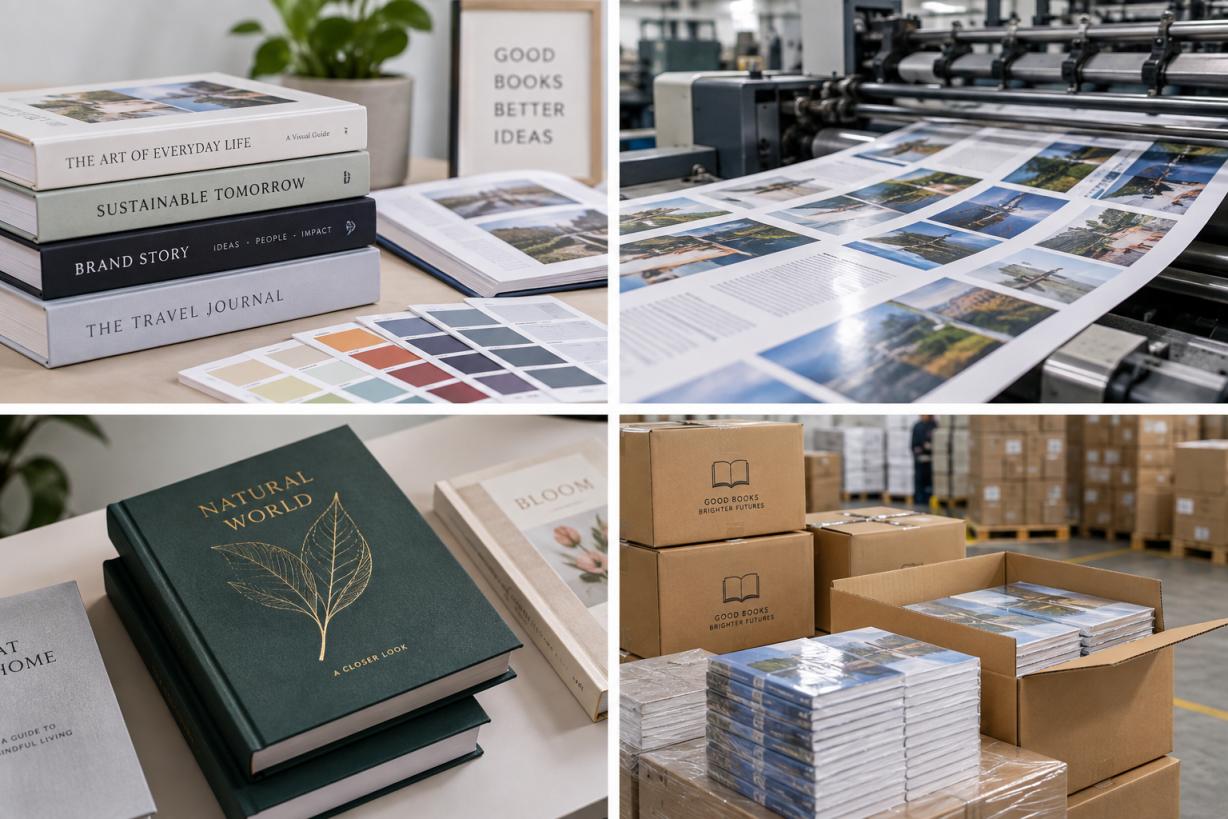
Bulk Custom Book Printing in China for Publishers and Brands
September 30, 2026
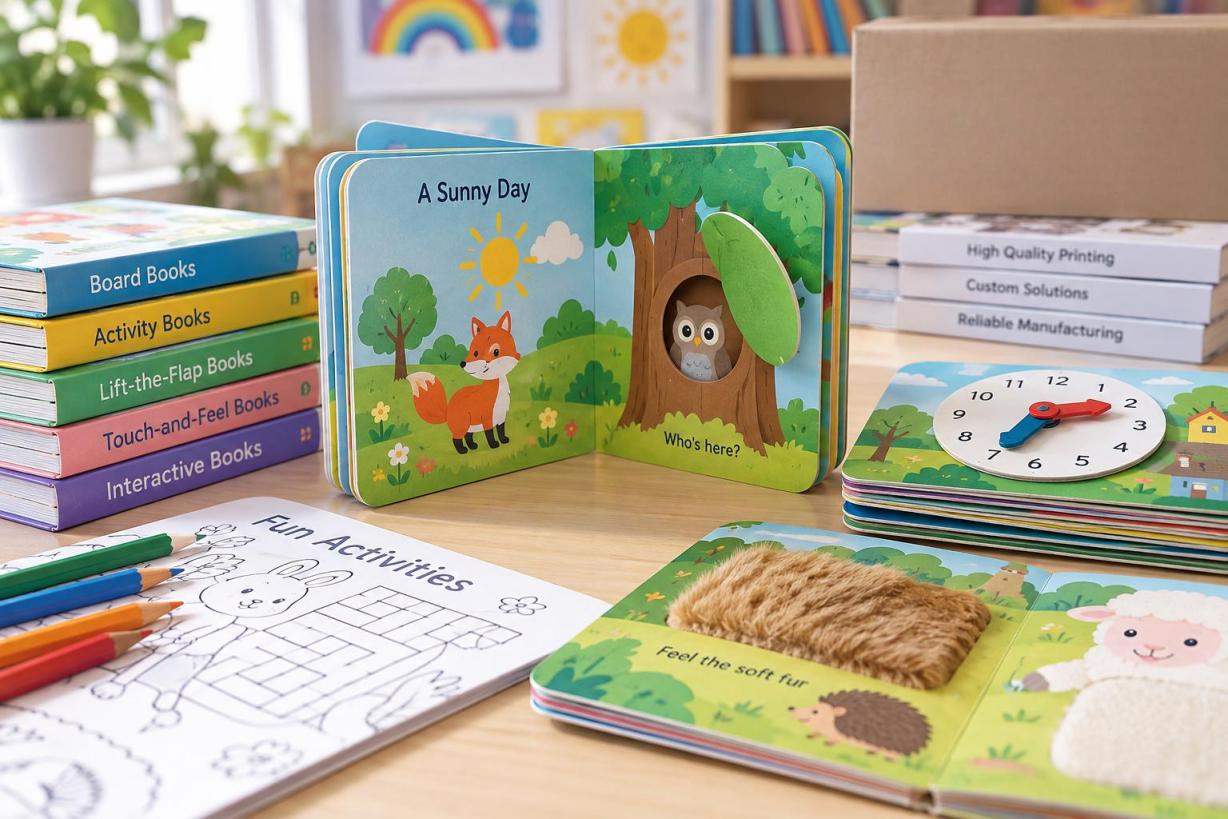
Children’s Book Printing for Publishers: 2026 Interactive Book Trends
September 30, 2026
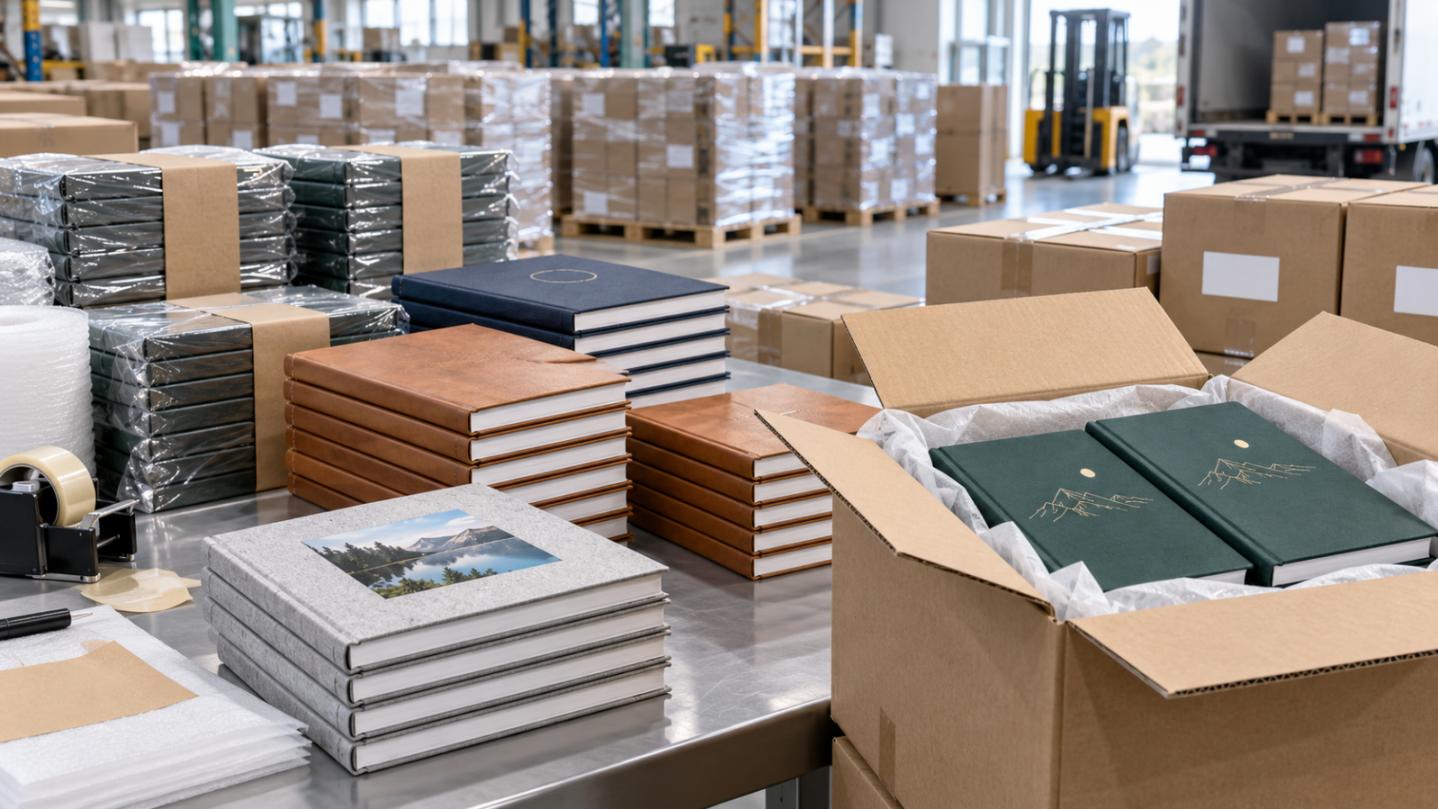
Bulk Journal Printing Quality Control: Binding Strength, Page Order and Trim Accuracy
September 29, 2026

Softcover Book Printing in China: Short Runs, Bulk Orders and Reprint Planning
September 29, 2026
Book Printing Technology for Modern Publishing
Book printing technology has changed how publishers, authors, schools, brands, and cultural organizations create printed books. Today, printing is no longer only about putting ink on paper. It also includes file checking, color control, paper matching, binding selection, cover finishing, quality inspection, and packaging. Because each book project has a different purpose, modern production needs a flexible and well-managed process.
For publishers, this technology helps reduce production risks before mass printing begins. For authors and brands, it helps turn creative files into finished books with stable quality. Moreover, advanced equipment and clear workflow control make book production more efficient, especially for custom formats, short runs, and multi-version publishing projects.
Digital Printing and Flexible Production
Digital printing plays an important role in current book printing technology. It supports shorter production runs, faster proofing, and flexible order quantities. Therefore, clients can print samples, limited editions, test-market books, or small batches without the pressure of very large inventory.
This method works well for novels, manuals, training books, journals, educational materials, catalogs, and personalized publications. In addition, digital printing can handle variable content when each version needs different text, cover information, or inside pages. This is useful for schools, events, private brands, and niche publishers.
However, digital printing still needs careful file preparation. Designers should provide clear images, correct color settings, proper bleed, and accurate page order. Then, the printing team can check the file and prepare a sample for review. As a result, the final production becomes smoother and more predictable.
Offset Printing for Large Book Orders
Although digital printing offers flexibility, offset printing remains a strong choice for larger book runs. Offset book printing technology provides stable color output, sharp text, and cost efficiency when the order quantity increases. It suits novels, children’s books, textbooks, religious books, art books, and commercial publications.
Before offset production starts, the factory prepares plates, adjusts ink, matches paper, and checks machine settings. This setup takes more time than digital printing. However, once production begins, offset printing can deliver consistent results across thousands of copies.
Because paper type affects ink absorption and image clarity, the factory should match paper with the book’s content style. For example, text-heavy books may use uncoated paper for comfortable reading. Image-rich books may need coated paper for brighter color. Meanwhile, premium editions may use special paper to improve touch and presentation.
Color Management and Proof Checking
Color control is one of the most important parts of book printing technology. Readers may notice color differences in illustrations, photos, brand logos, and cover designs. Therefore, professional printing requires careful proofing before bulk production.
A printed proof allows clients to review color tone, image detail, paper texture, page order, and cover effect. After that, the production team can adjust the file or machine settings if needed. This step helps avoid mistakes and gives clients more confidence before final printing.
For art books, children’s books, cookbooks, photography books, and brand catalogs, color accuracy matters even more. These projects often rely on visual impact. Therefore, the factory should check image resolution, ink density, page consistency, and finishing compatibility during production.
Binding Technology for Different Book Uses
Binding affects how a book looks, opens, and lasts. Modern book printing technology includes many binding methods, such as perfect binding, saddle stitching, spiral binding, thread sewing, and hardcover case binding. Each method serves a different purpose.
Perfect binding works well for softcover novels, manuals, and catalogs. Saddle stitching suits thin booklets, brochures, and event guides. Spiral binding helps planners, workbooks, and training books open flat. Thread-sewn binding adds strength for books that need frequent reading. Hardcover binding gives premium books a stronger structure and a more formal appearance.
Because each book has different use conditions, binding should match the target reader. A cookbook may need flat opening. A children’s book may need stronger pages. A religious book may need durable binding for long-term use. Meanwhile, a collector edition may need both beauty and strength.
Cover Finishing and Visual Presentation
Cover design influences the first impression of a book. With updated book printing technology, clients can choose matte lamination, gloss lamination, soft-touch coating, foil stamping, embossing, debossing, spot UV, sprayed edges, gilded edges, and slipcase packaging.
These finishing methods help books stand out in retail, gift, education, and brand promotion scenarios. For example, foil stamping can highlight a title or logo. Spot UV can add contrast to selected areas. Embossing can create a raised texture. Also, sprayed edges can make special editions more memorable.
However, finishing should support the design rather than overwhelm it. A clean cover with one or two suitable finishes often looks more professional than a design with too many effects. Therefore, clients should consider the book category, budget, audience, and sales channel before choosing finishing options.
Workflow Control and Quality Inspection
A reliable production workflow improves both quality and delivery. From file review to final packing, each step needs clear control. The factory should check page sequence, trim size, spine width, paper stock, color output, binding strength, cover alignment, and carton packing.
In addition, quality inspection should happen during production, not only at the end. Early checks can catch color shifts, cutting errors, binding problems, or page issues before they affect the full order. This approach saves time and reduces waste.
For international orders, packaging also matters. Books should stay protected during storage and shipping. Strong cartons, proper stacking, moisture control, and clear labeling help finished books arrive in good condition.
Applications of Advanced Book Printing
Book printing technology supports many publishing and business needs. Publishers use it for new titles, reprints, series books, and special editions. Authors use it for novels, poetry books, memoirs, and self-published works. Schools use it for textbooks, workbooks, activity books, and training materials.
Brands also use printed books for marketing. Product catalogs, company profiles, lookbooks, manuals, and event publications can present information in a lasting format. Furthermore, religious groups, museums, nonprofits, and cultural organizations can create meaningful books for education, outreach, and gifting.
Building Better Books With the Right Technology
The best book printing technology depends on the project goal. Digital printing supports speed and flexibility. Offset printing supports stable large-volume production. Strong binding improves durability. Smart finishing improves presentation. Careful proofing protects accuracy.
By combining these elements, clients can create books that look professional, feel reliable, and match their market needs. From simple softcover books to premium hardcover editions, a well-planned printing process helps every project move from artwork to finished product with better control.
Share on Social:



NAME
text text text text. text text text text. text text text text. text text text text. text text text text. text text text text. text text text text. text text text t text xt. text text text text. text text text text. text text text t text
Contact Us
In This Article
Related Posts
Bulk Custom Book Printing in China for Publishers and Brands
September 30, 2026
Children’s Book Printing for Publishers: 2026 Interactive Book Trends
September 30, 2026
Bulk Journal Printing Quality Control: Binding Strength, Page Order and Trim Accuracy
September 29, 2026
Softcover Book Printing in China: Short Runs, Bulk Orders and Reprint Planning
September 29, 2026


