

Binding Process for Book Printing
Related Posts
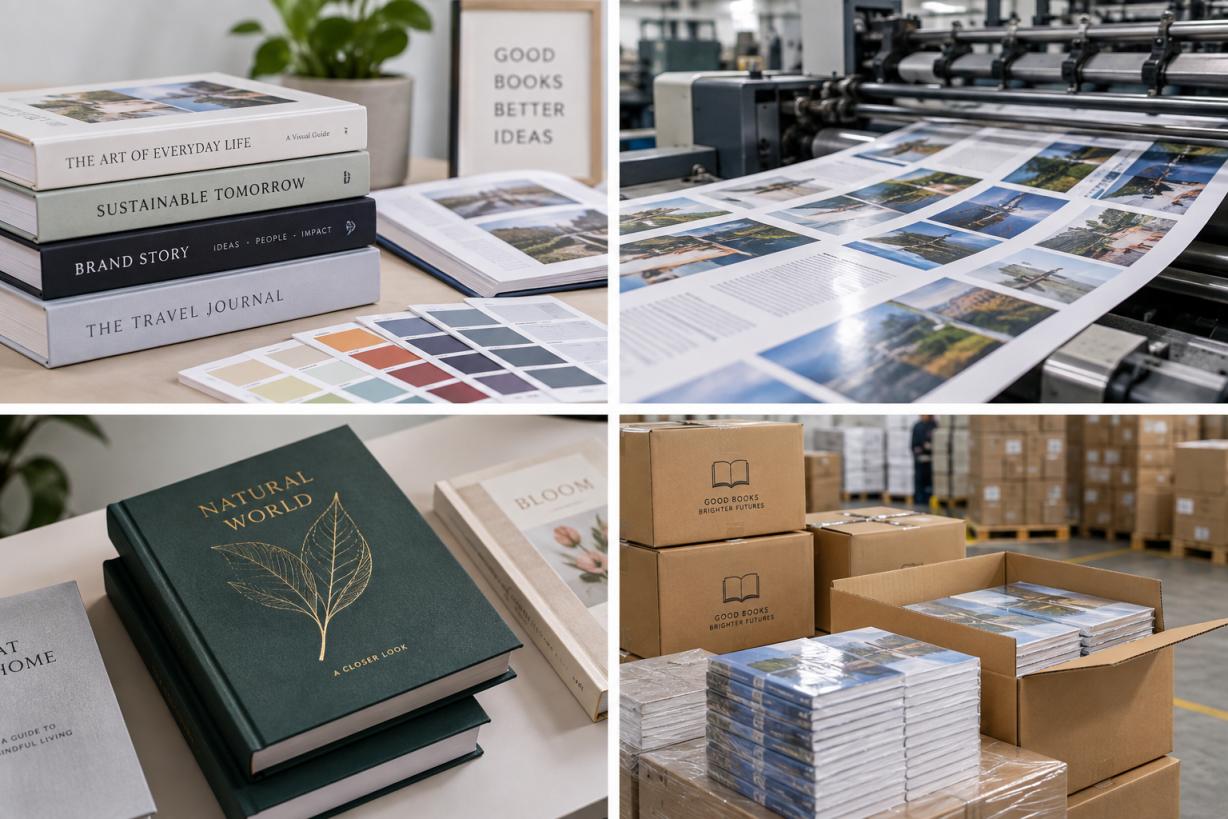
Bulk Custom Book Printing in China for Publishers and Brands
September 30, 2026
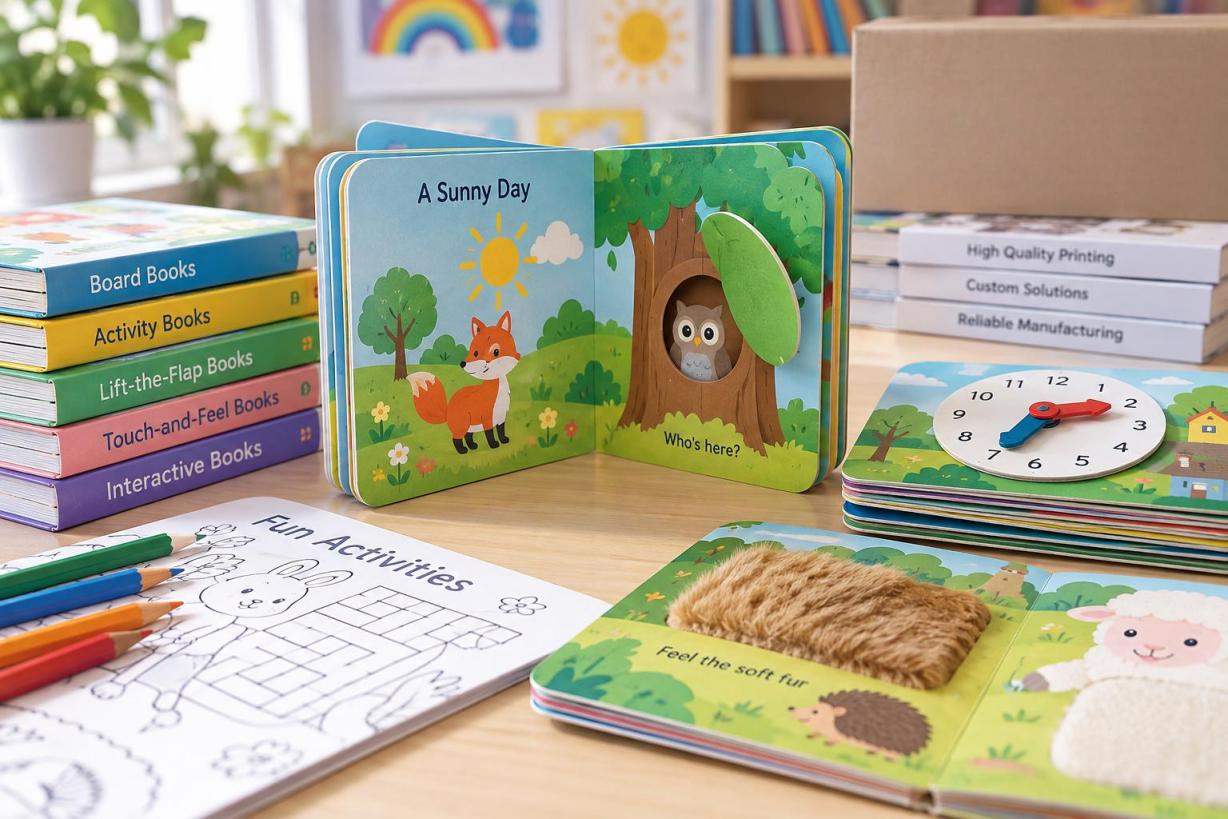
Children’s Book Printing for Publishers: 2026 Interactive Book Trends
September 30, 2026
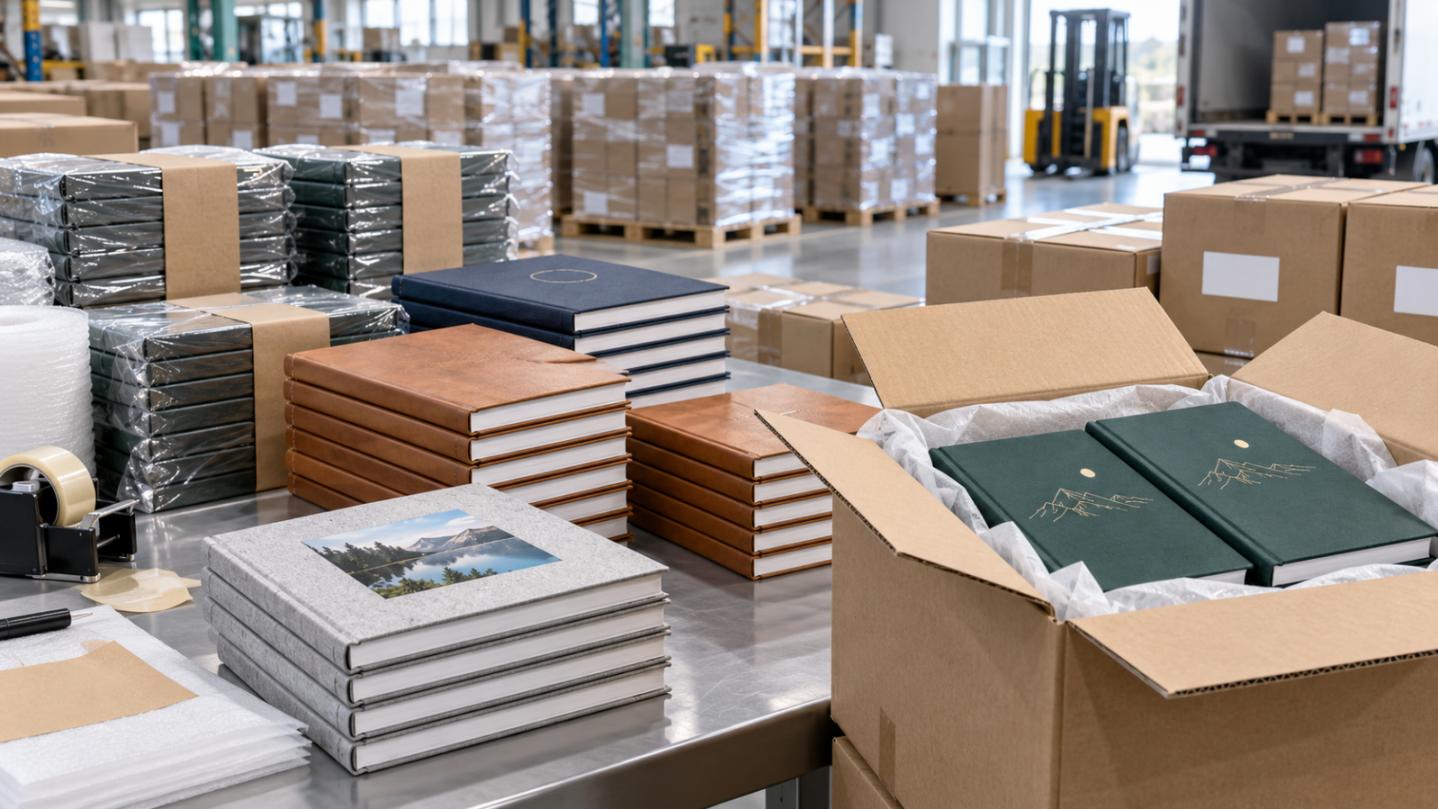
Bulk Journal Printing Quality Control: Binding Strength, Page Order and Trim Accuracy
September 29, 2026

Softcover Book Printing in China: Short Runs, Bulk Orders and Reprint Planning
September 29, 2026
Book Binding Process for Professional Book Production
The book binding process turns printed pages into a finished book with structure, durability, and a clear reading experience. It is one of the most important steps after printing, because binding affects how the book opens, how long it lasts, and how readers feel when using it. A good binding plan should match the book type, page count, paper weight, cover style, and target market.
For publishers, authors, schools, brands, and religious organizations, binding is not only a technical step. It also shapes the final value of the book. Therefore, choosing the right method helps control cost, improve presentation, and support long-term use.
File Preparation Before Binding
Before the binding stage begins, the production team checks the print-ready files. They review page order, bleed, margins, spine width, trim size, and cover layout. This step helps prevent common problems, such as wrong page sequence, narrow margins, or inaccurate spine text.
The page count also matters. Some binding methods work better with thick books, while others suit thin booklets. In addition, paper thickness affects the final spine width. If the spine measurement is wrong, the cover may not align well after trimming.
As a result, accurate prepress checking creates a smoother binding process and reduces production waste.
Folding, Gathering, and Page Arrangement
After printing, large printed sheets often move into folding and gathering. Folding creates page sections, also called signatures. Then, the production team gathers these sections in the correct order. This step builds the inner book block.
For books with many pages, correct gathering is very important. One misplaced section can affect the whole book. Therefore, factories usually check page sequence before moving to sewing, gluing, or casing.
This stage suits many book types, including novels, textbooks, children’s books, art books, and religious books. It also creates the foundation for stronger binding methods, especially thread-sewn hardcover books.
Perfect Binding for Softcover Books
Perfect binding is a common choice for paperback books, catalogs, manuals, and commercial publications. In this method, the inner pages are arranged into a book block. Then, the spine edge is prepared and glued. Finally, a printed cover wraps around the book block.
This method gives softcover books a clean square spine. It also supports clear title printing on the spine, which helps books look professional on shelves. Moreover, perfect binding works well for medium and large page counts.
However, paper choice and glue quality still matter. If the paper is too heavy or the spine is poorly prepared, the book may not open smoothly. Therefore, a factory should match the adhesive and binding setup to the project.
Thread-Sewn Binding for Stronger Books
Thread-sewn binding creates a more durable structure. In this process, folded signatures are sewn together with thread before the cover is attached. This method allows the book to open more comfortably and hold pages more securely.
Publishers often choose thread sewing for hardcover books, religious books, premium editions, photo books, and books that readers may use often. It is also suitable for thicker books because it helps the book block stay stable.
Although thread-sewn binding takes more production time than simple glue binding, it gives the book better strength. Therefore, it works well when durability and reading comfort matter.
Hardcover Case Binding
Hardcover case binding gives books a premium and protective structure. First, the inner book block is prepared. Then, the cover case is made with greyboard, printed paper, cloth, PU leather, or other cover materials. After that, the book block and cover case are joined together.
This method suits art books, coffee table books, children’s books, Bibles, commemorative books, collector editions, and gift books. It can also work with special finishes, such as foil stamping, embossing, debossing, sprayed edges, gilded edges, ribbon bookmarks, and slipcases.
Because hardcover books involve more materials and steps, they need careful production control. The cover boards, spine gap, endpapers, and casing alignment must all match the final design.
Saddle Stitching and Spiral Binding
Not every book needs a thick spine. For thinner projects, saddle stitching can offer a simple and practical solution. This method uses staples along the folded spine. It works well for booklets, event guides, brochures, short manuals, and promotional materials.
Spiral binding or wire binding offers another practical option. It allows pages to turn easily and lie flat on a desk. Therefore, it suits notebooks, planners, workbooks, training materials, calendars, and reference books.
These methods give users easy handling. However, they serve different markets from premium hardcover or softcover books. The best choice depends on how readers will use the product.
Cover Finishing After Binding
Cover finishing can improve both appearance and protection. Common options include matte lamination, gloss lamination, soft-touch coating, spot UV, foil stamping, embossing, and debossing. These finishes help create stronger visual appeal and a more polished surface.
For hardcover and special edition books, finishing can also include cloth covers, leather-like covers, ribbon markers, edge coloring, and protective slipcases. In addition, custom packaging can support gift sets, retail display, and brand presentation.
A well-chosen finish should match the book’s purpose. For example, a children’s book may need a wipe-resistant cover. A premium novel may need sprayed edges. A religious book may need a durable cover with foil details.
Quality Control in the Binding Process
Quality control runs through the whole book binding process. The factory should check page order, glue strength, sewing position, cover alignment, trimming accuracy, spine shape, and opening performance. It should also inspect surface scratches, corner damage, loose pages, and packing quality.
These checks help ensure that each finished book meets the expected standard. Moreover, early inspection reduces the risk of large production errors. For bulk orders, stable quality control becomes even more important.
Choosing the Right Binding Method
The right binding method depends on the project goal. Softcover books often use perfect binding. Premium books may need hardcover case binding. Frequently used books can benefit from thread sewing. Workbooks and planners may work better with spiral binding. Short booklets often suit saddle stitching.
A professional printing factory can help clients compare these choices based on budget, quantity, page count, paper type, and use scenario. With the right binding plan, a book can look better, last longer, and deliver a better reading experience.
Share on Social:


- PREV: Null
- NEXT: New Printing Technology For Book Printing

NAME
text text text text. text text text text. text text text text. text text text text. text text text text. text text text text. text text text text. text text text t text xt. text text text text. text text text text. text text text t text
Contact Us
In This Article
Related Posts
Bulk Custom Book Printing in China for Publishers and Brands
September 30, 2026
Children’s Book Printing for Publishers: 2026 Interactive Book Trends
September 30, 2026
Bulk Journal Printing Quality Control: Binding Strength, Page Order and Trim Accuracy
September 29, 2026
Softcover Book Printing in China: Short Runs, Bulk Orders and Reprint Planning
September 29, 2026


