

How to Make a Bible Lay Flat When Open

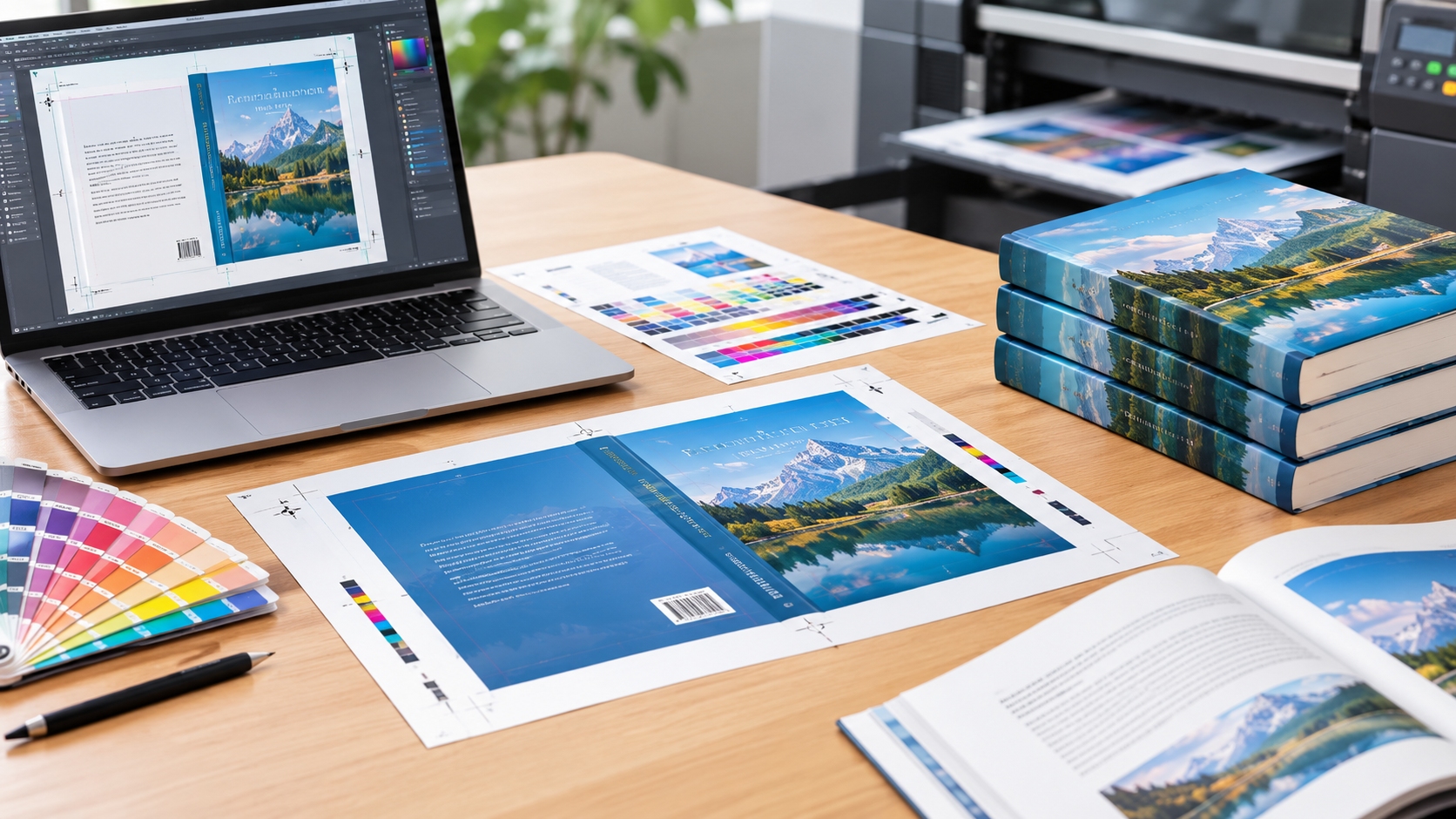
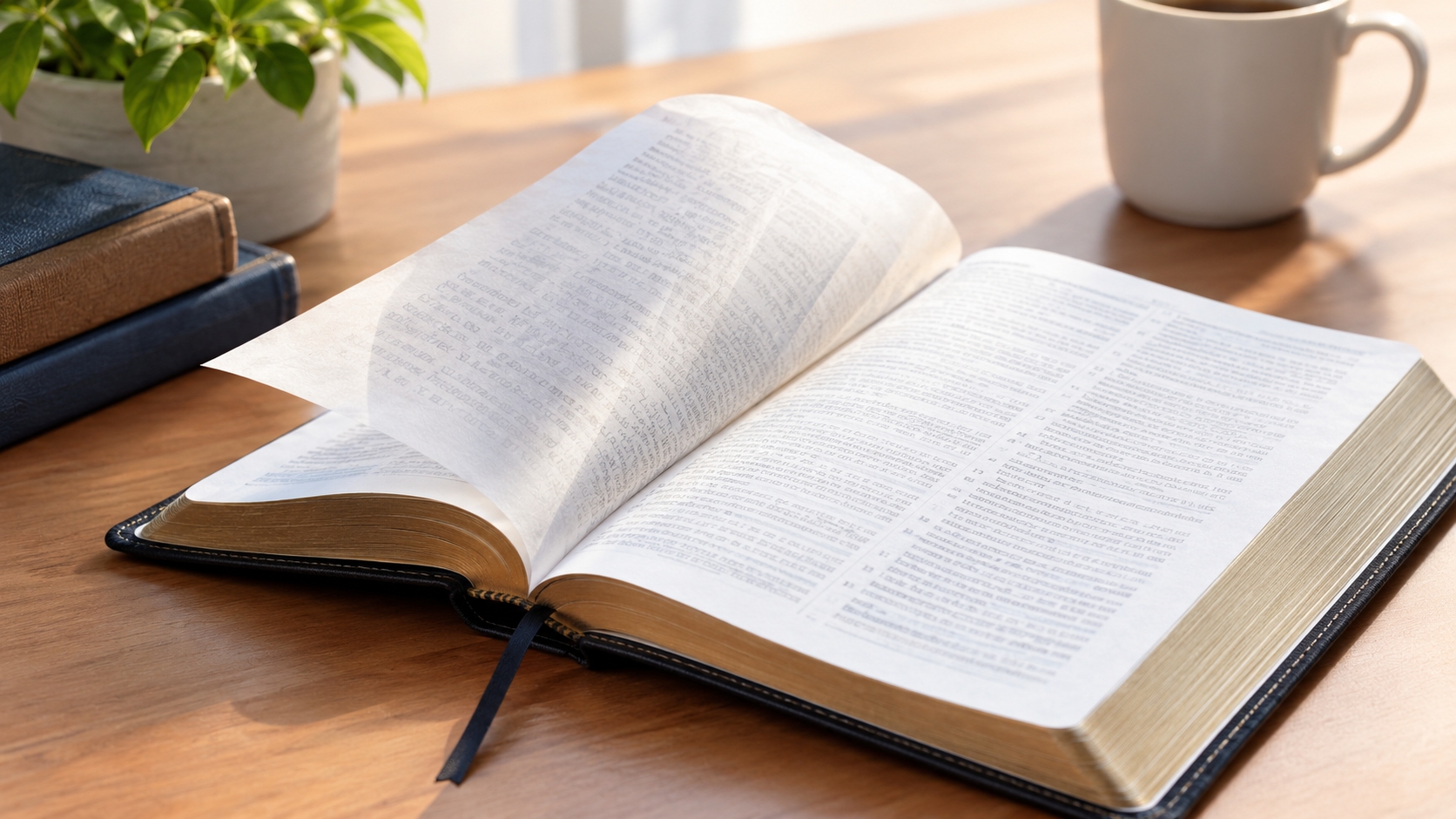
If the Bible keeps closing itself, sometimes reading becomes difficult. You lose your place, hold down the pages, and have trouble of taking notes by the gutter. You could be tempted to flatten the spine, but you might cause damage to the binding.
Use both covers of a Bible for support; open it slowly and carefully to its natural limit; follow the care instructions indicated by the publisher. If you are embarking on a new publishing project, ask for an opening friendly binding and approve a representative bound sample. There are ways for a suitable construction to settle by handling, but there are no ways to make every Bible lay flat.
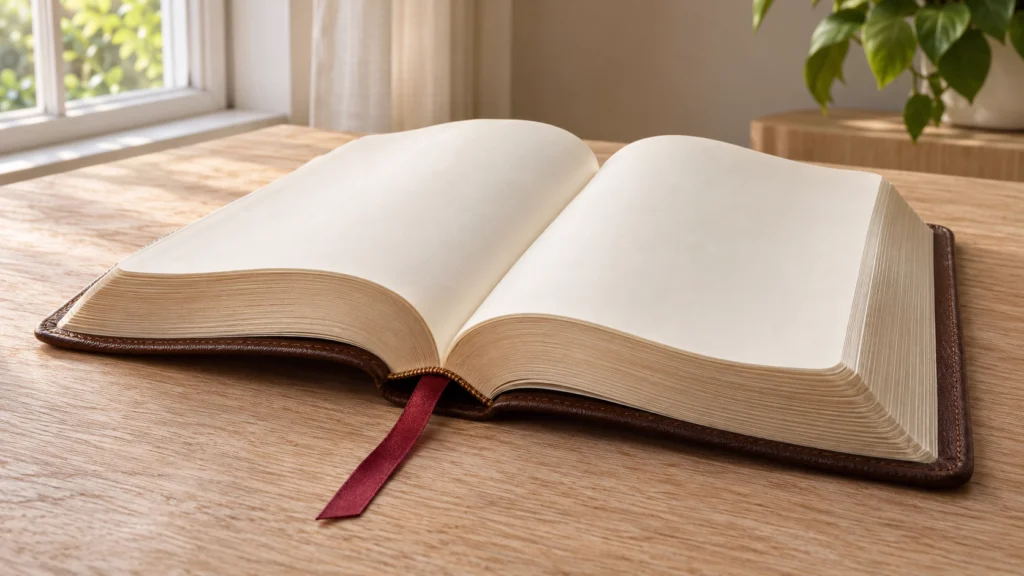
Why Some Bibles Won’t Stay Open
Opening behaviour is from the full book: folded sections, sewing, adhesive, spine lining, paper and cover attachment.
Smyth sewn binding is a type of sewn binding made with folded sections which are sewn together with thread, and is often used with flexible opening. But “sewn” means nothing if not all spreads were to lie flat. Smyth sewing is recognized as a durable and easy opening construction technique by Crossway.
Also, being open and lying flat go hand in hand. A book can comfortably be opened with the pages bending toward the gutter.
| What you notice | Possible explanation | Practical response |
|---|---|---|
| Bible closes immediately | Stiff cover joints or spine construction | Support the covers and assess gently |
| Middle opens better than the ends | Uneven page weight across the spread | Check several reading positions |
| Text disappears into the gutter | Layout or opening limitations | Review margins and binding together |
| Endpapers pull or separate | Attachment problem or damage | Stop flexing and contact the supplier |
| Pages detach | Binding failure | Seek repair or replacement |
How to Open a New Bible Gently
First, consult the publisher’s instructions. Various buildings may require various handling.
Set the Bible on a new table or reading support cushion. Hold the covers open while you are opening. Take it easy with small groups of pages moving through gradually, avoiding hard movements along the gutter.
There’s no need to go through a “breaking-in” process. There isn’t one set number of opening cycles guaranteed to result in a good score, but normal careful reading will increase flexibility.
If you experience strong resistance, back off. Using an angled support or book cradle instead of flattening the book to read may make it easier to read.
Avoid Forcing the Spine
Fold covers back over, do not apply body weight to open book, and do not place heavy objects on open book overnight. In its guidance on the warranty, Cambridge clearly states that it will not repair a book if it has been bent around its spine.
Heat, moisture and everyday care are also bad short cuts. Opening resistance requires a solution unique to the construction, especially if a Bible is of value or has been damaged.
Choose the Binding Before Choosing the Cover
For publishers, comfortable opening starts with the specification.
A leather cover can feel supple while the book block remains stiff. Likewise, a hardcover Bible can open comfortably when its internal construction and cover joints work together.
| Construction | Opening considerations | What publishers should inspect |
|---|---|---|
| Section-sewn book block | Supports flexible movement between sections | Sewing, lining, and finished opening |
| Adhesive-bound book block | Performance varies with materials and design | Page security and opening resistance |
| Sewn hardcover edition | Cover joints must allow movement | Hinge flexibility and endpaper attachment |
| Sewn flexible-cover edition | Soft cover alone does not ensure flat opening | Liner, attachment, and spine behavior |
When discussing custom hardcover book printing, describe the required reading experience. “Must stay open comfortably on a table” is more useful than simply requesting a premium binding.
Match Paper and Layout to the Binding
Paper has an impact on the manner in which a Bible is opened. Thickness, stiffness, grain direction and total number of leaves are all important.
A lighter paper will lead to a reduction in bulk, but gsm does not guarantee opening performance. Ask for the proposed paper’s caliper and a physical mock-up in that caliper.
Layout matters too. Any kind of flex binding will be cumbersome if the references or notes are too near the spine. Use sufficient “inner margin” so that the pages will not need to be pushed outwards while being read.
According to Cambridge, Bible production is the combination of lightweight paper characteristics and sewn lined book-block structure. That’s good for evaluating the whole assembly instead of picking up paper and binding separately.
Test a Finished Sample Before Production
A loose paper swatch or digital proof cannot demonstrate opening behavior.
Ask for a bound sample that represents the intended paper, page count, trim size, cover, and binding. If any component differs, record the limitation before approval.
| Sample check | How to evaluate it |
|---|---|
| Beginning, middle, and end | Open several spreads without forcing |
| Gutter readability | Read the innermost text at a comfortable angle |
| Cover support | Check whether either cover pulls the book closed |
| Attachment | Look for lifting, tearing, or excessive tension |
| Repeated use | Turn pages normally and inspect for changes |
Define acceptance criteria with the manufacturer. Avoid demanding identical flatness at every page unless the agreed construction can deliver it.
If the edition includes a hardcover book with a slipcase, approve its fit after the book construction is finalized. Packaging protects the edition; it does not improve opening.
For accompanying study materials, perfect-bound paperback books may suit the budget and page count. Evaluate their opening separately from the main Bible.
Frequently Asked Questions
Will every Bible eventually lay flat?
No. Some constructions remain resistant to flat opening. Gentle use cannot overcome every structural limitation.
Does Smyth sewing guarantee lay-flat performance?
No. It is a useful starting point, but adhesive, lining, paper, and cover attachment also influence the result.
Should I press down the center of a new Bible?
Avoid firm pressure. Support the book and let it open within its natural range, following the publisher’s instructions.
Why does my Bible open well in Psalms but close near Genesis?
The weight of pages on each side differs. Compare the beginning, middle, and end before judging overall performance.
Can a book weight help?
A lightweight reading aid may help hold sound pages, provided it does not strain them. A supportive cradle may be preferable for fragile books.
Can rebinding improve opening?
Sometimes. A skilled binder can assess whether the existing book block and proposed cover support improvement. Rebinding is not a guaranteed fix.
What should I do if I hear cracking?
Stop applying pressure and inspect for separation or damage. Contact the seller or binder before continuing any opening routine.
What should a publisher request first?
Request a representative bound sample and written construction details. Approve comfortable reading, secure attachment, and gutter visibility before authorizing production.
Share on Social:


