

How Much Does Large Print Bible Printing Cost?

The large print Bible printing costs depend on the finished layout, the number of pages required, the type of paper to be used, the type of binding, the quantity to be ordered and the delivery requirements. Just the word “large print” is not sufficient to determine a reliable price.
Larger size might mean more pages and/or larger size dimensions. The changes include paper use, binding thickness, packaging and shipping weight.
The “appurpose” for the publisher and ministry is to create a Bible that is easy to read and easy to hold. How to plan for that balance and get quotes from manufacturers for similar quotes.
Why Large Print Changes the Budget
There is no standard type-size for large print Bible versions. The type face, the line spacing, the column width, contrast and the perviousness of the paper also affect readability.
An unexpectedly thick volume can result from just increasing the size of an existing layout.
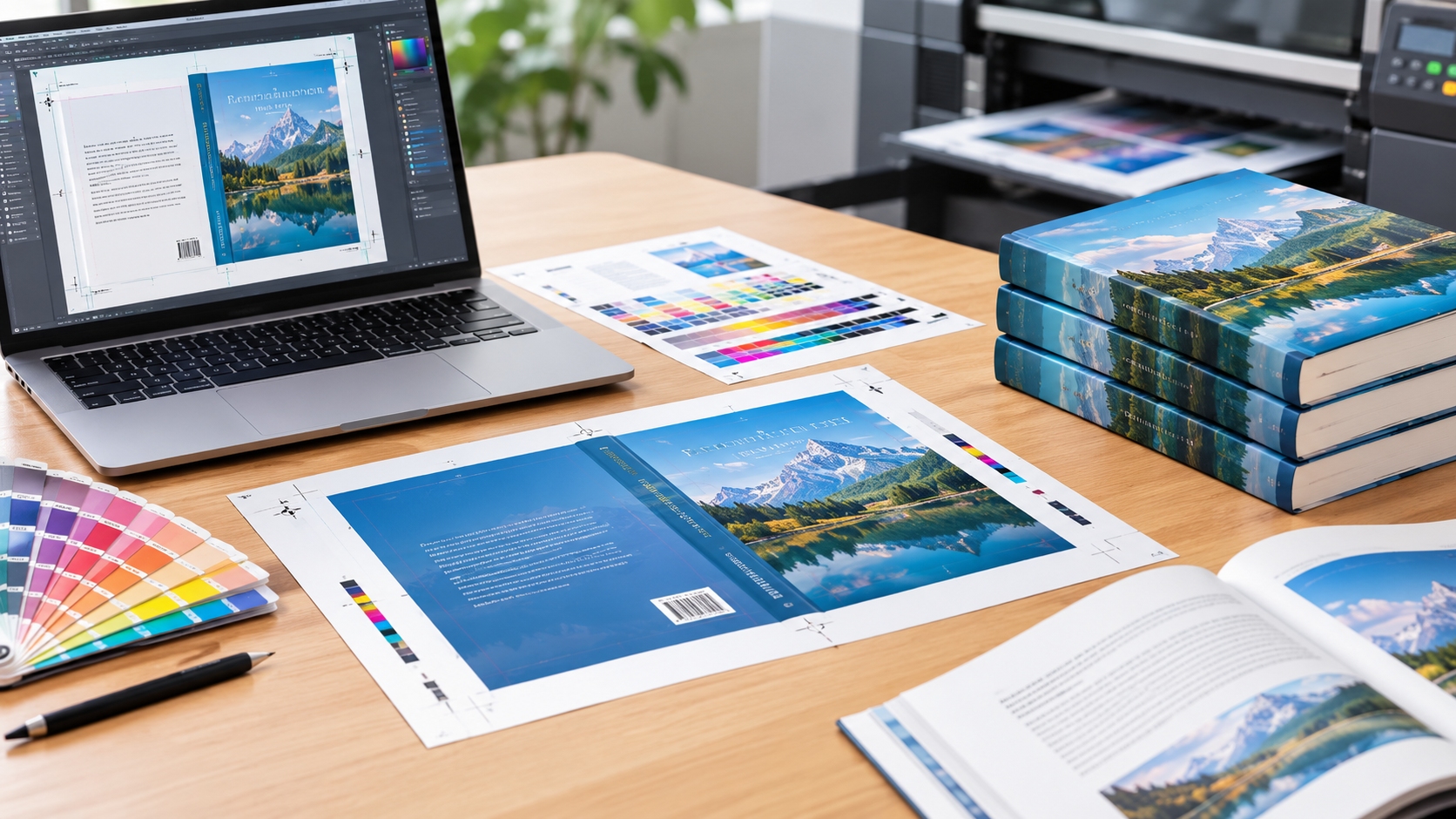
Work up representative pages with the typography being used before asking for price. Use passages in text with headings, verse numbers, references, and notes.
After the layout has been decided upon, estimate a reasonable number of pages. Estimated length of manuscript may vary significantly from the actual length after typesetting.
What Determines the Manufacturing Price?
A Bible’s production cost reflects the complete specification.
Two editions containing the same translation can have different page counts, paper requirements, and binding constructions.
| Cost driver | Why it matters | What to specify |
|---|---|---|
| Trim size | Affects layout and material use | Finished page width and height |
| Page count | Determines printing and binding requirements | Final interior pages and additional sections |
| Paper | Influences opacity, thickness, and weight | Exact stock and grammage |
| Printing | Changes press and registration requirements | Black-only, two-color, or other arrangements |
| Binding | Affects durability and opening behavior | Agreed construction and cover material |
| Quantity | Spreads setup costs across copies | Realistic order volumes |
| Finishing | Adds materials and operations | Indexing, ribbons, foil, and edge treatment |
Ask suppliers to identify substitutions. “Equivalent Bible paper” needs more detail before approval.
A Sample Budget for 1,000 Copies
The following figures are hypothetical planning numbers, not current market averages or a CAIMEI quotation. They demonstrate how to organize a budget.
Assume 1,000 identical large print Bibles with a finalized layout, black interior printing, sewn binding, and a straightforward cover specification.
| Budget item | Illustrative total |
|---|---|
| Interior printing and paper | $4,500 |
| Sewing, binding, and covers | $2,500 |
| Proofing and production setup | $500 |
| Individual protection and cartons | $400 |
| Freight and destination delivery | $1,100 |
| Illustrative total | $9,000 |
The example equals $9 per delivered copy.
Typesetting, editorial work, permissions, applicable taxes or duties, storage, and onward fulfillment are excluded. Actual quotations may differ substantially.
Suppliers may bundle several operations into one price. Check the scope before adding separate allowances and accidentally counting an expense twice.
Choosing Bible Paper Without Sacrificing Readability
Paper is light, but not necessarily suitable in terms of grammage.
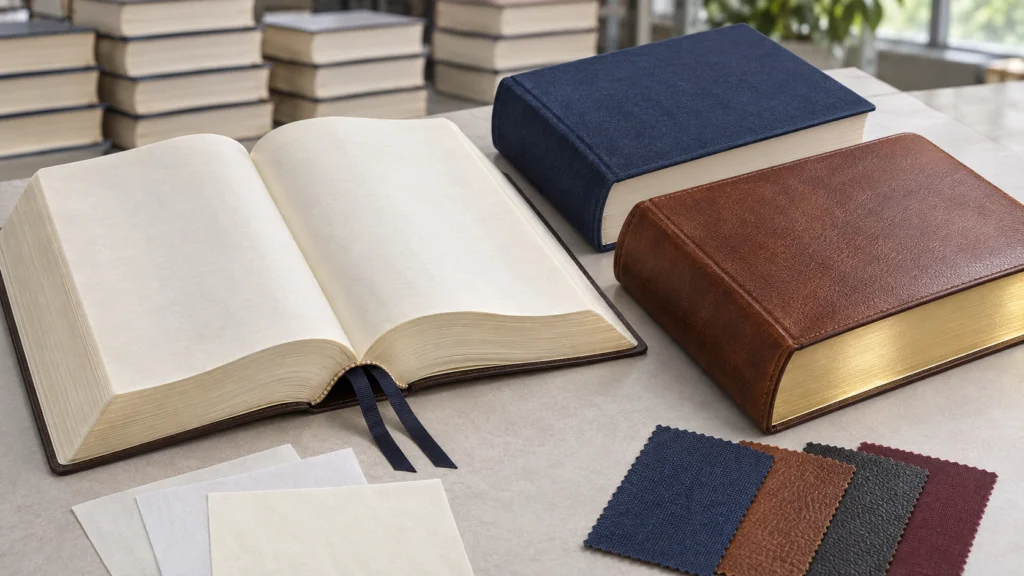
Determine opacity, shade, strength, surface and final thickness. Show through on large type makes it harder to read, particularly on pages that are heavily printed.
Print representative text on proposed stock and hold up and look at both sides under regular reading conditions.
Inquire about front-to-back text alignment (also known as line matching). It is suitable based on the setup and production capacity.
Choose the paper before approving the spine dimensions. Even though the grammage is comparable, a stock change may affect the end product.
How Binding and Cover Choices Affect Cost
A thick Bible needs a binding construction suited to its dimensions, materials, and expected use.
Sewn binding is worth discussing for frequently handled editions, but the finished sample should establish how the complete book opens.
For custom hardcover book printing, specify the board, covering material, endpapers, and reinforcement rather than requesting only a “hardcover Bible.”
Flexible covers offer another appearance and handling experience. Confirm the actual material: genuine leather, imitation leather, and other coverings have different characteristics.
Do not assume the most expensive cover produces the most readable edition.
Which Optional Features Increase the Price?
Thumb indexing, ribbon markers, decorative edge treatments, foil stamping, maps, and presentation pages can add value. They also introduce additional operations or materials.
Request separate prices for optional features.
A gift edition may justify a hardcover book with a slipcase. A ministry distribution edition may place greater priority on readable typography and manageable weight.
For separately published study materials or Scripture selections, perfect-bound paperback books provide another format to evaluate. Quote these independently rather than treating them as equivalent full-Bible constructions.
Compare Quantities and Delivered Costs
Ask the price for quantities that you might be able to put into circulation or sell.
Larger run = Lower unit manufacturing cost (due to the division of setup costs) but Higher Total purchase and inventory costs.
Do not change the specification between quantity comparisons.
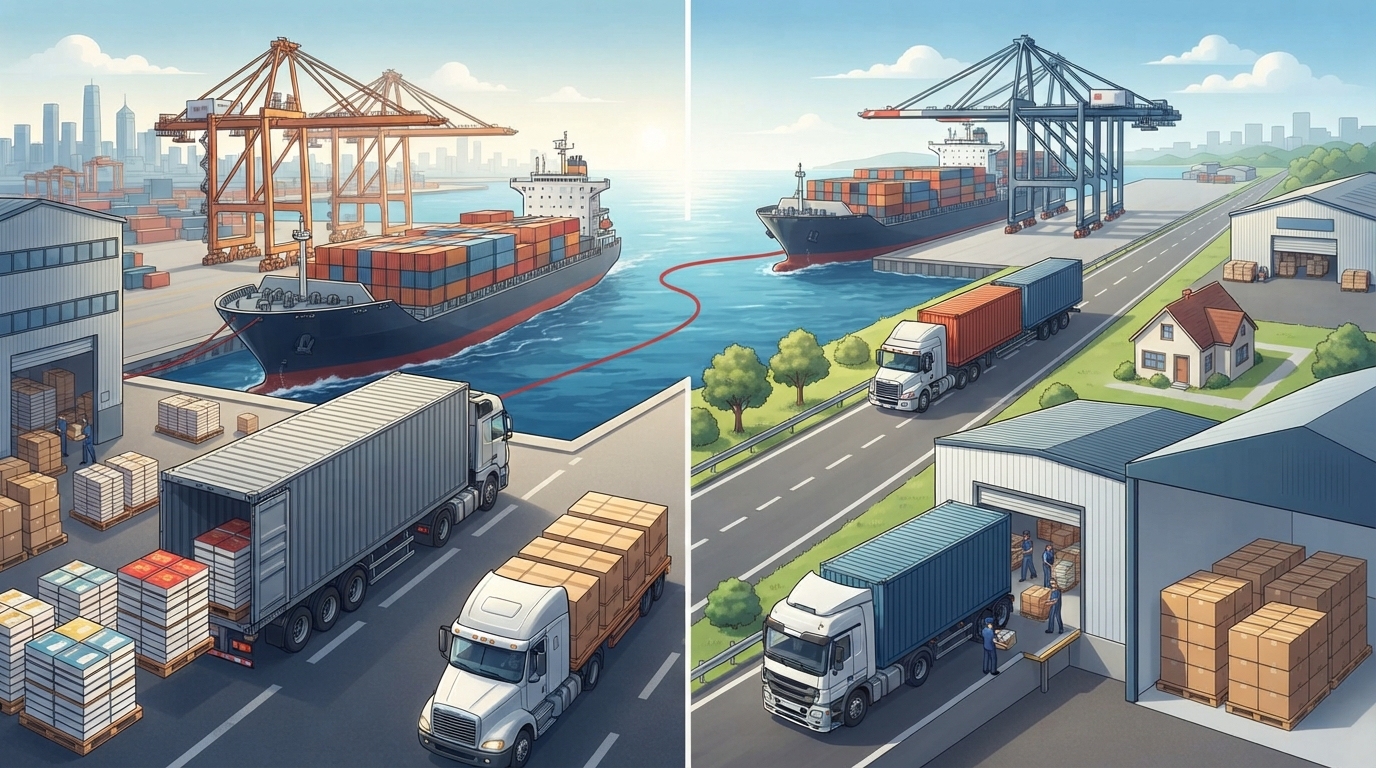
Next, inspect the dimensions of freight and cartons, gross weight, delivery scope and storage. The factory price may be just a portion of the total project cost.
Make sure that the quotation covers the delivery to your own warehouse or up to a previous delivery point.
What Should Publishers Approve Before Production?
Sign sample printouts and a bound sample.
Test paper handling (feel, quality), references, pagination, cover fit, and readability and page turning. Identify the materials and processes found in the sample.
Also designate who will be responsible for the final text files and any necessary permissions of reproduction.
Keep approved specification and sample. Changes in material, layout and binding should be reviewed prior to the production run.
Frequently Asked Questions
Is there a standard price for large print Bible printing?
No. A useful quotation requires dimensions, page count, paper, printing, binding, quantity, and delivery details.
Does larger type always mean more pages?
Not necessarily. Increasing the trim size or changing the layout may offset some expansion, but readability must remain the priority.
Is the thinnest paper the cheapest option?
Not automatically. Paper grade, availability, opacity, and production requirements affect pricing.
Does red-letter printing cost extra?
It can introduce additional printing and registration requirements. Request it as a clearly defined quotation option.
Is sewn binding always necessary?
The appropriate construction depends on the book. Discuss its weight, thickness, opening behavior, and expected use with the manufacturer.
Are typesetting costs included?
Only if stated. Many manufacturing quotations assume the publisher supplies approved, print-ready files.
Sometimes. Confirm whether the editions can use an identical book block and how quantities will be divided.
What is the best way to obtain an accurate quote?
Finalize sample typography, establish page count, specify materials and binding, and request itemized prices on the same delivery basis.
Share on Social:


