

What Binding Works Best for Large Bibles?

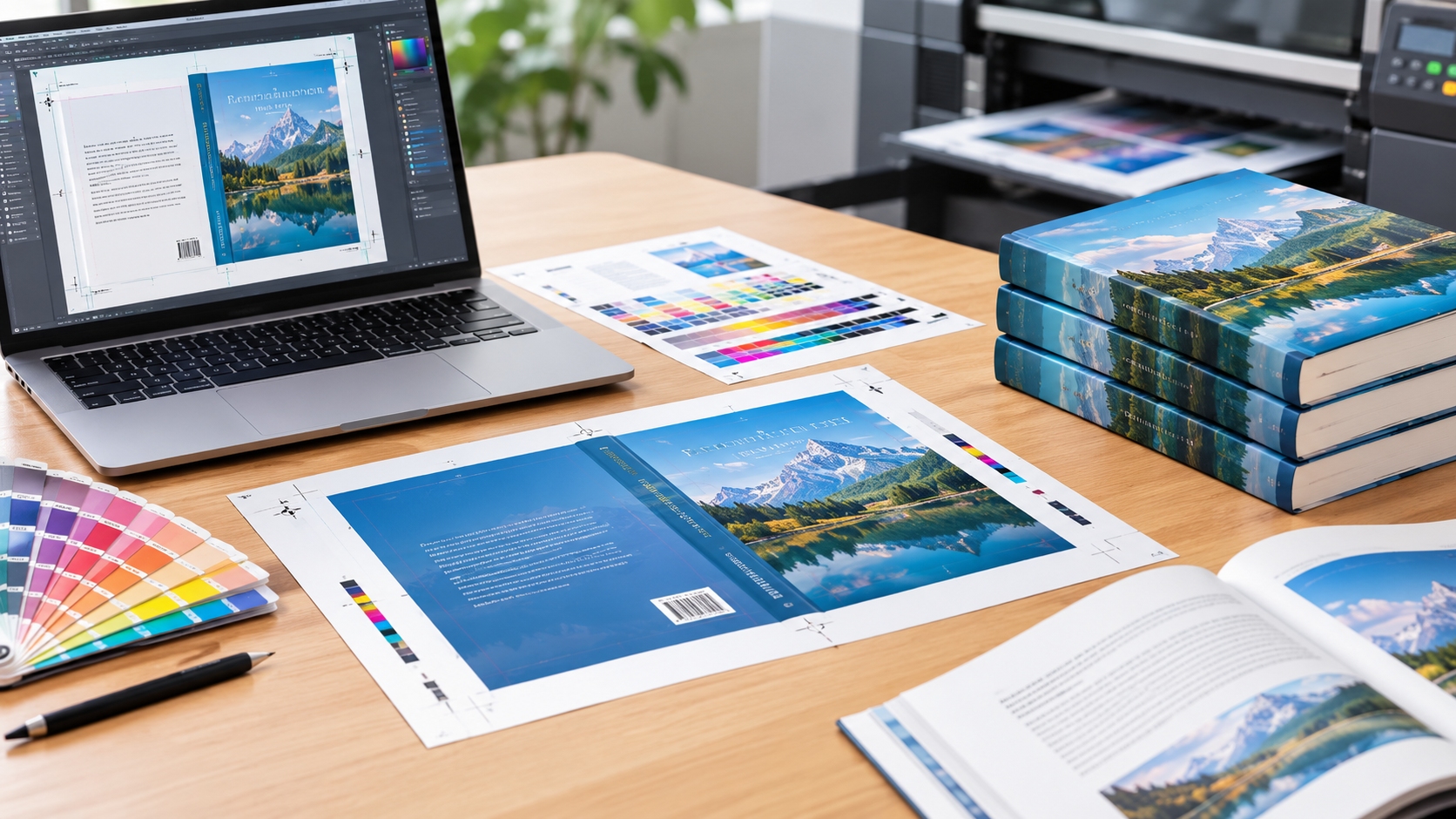
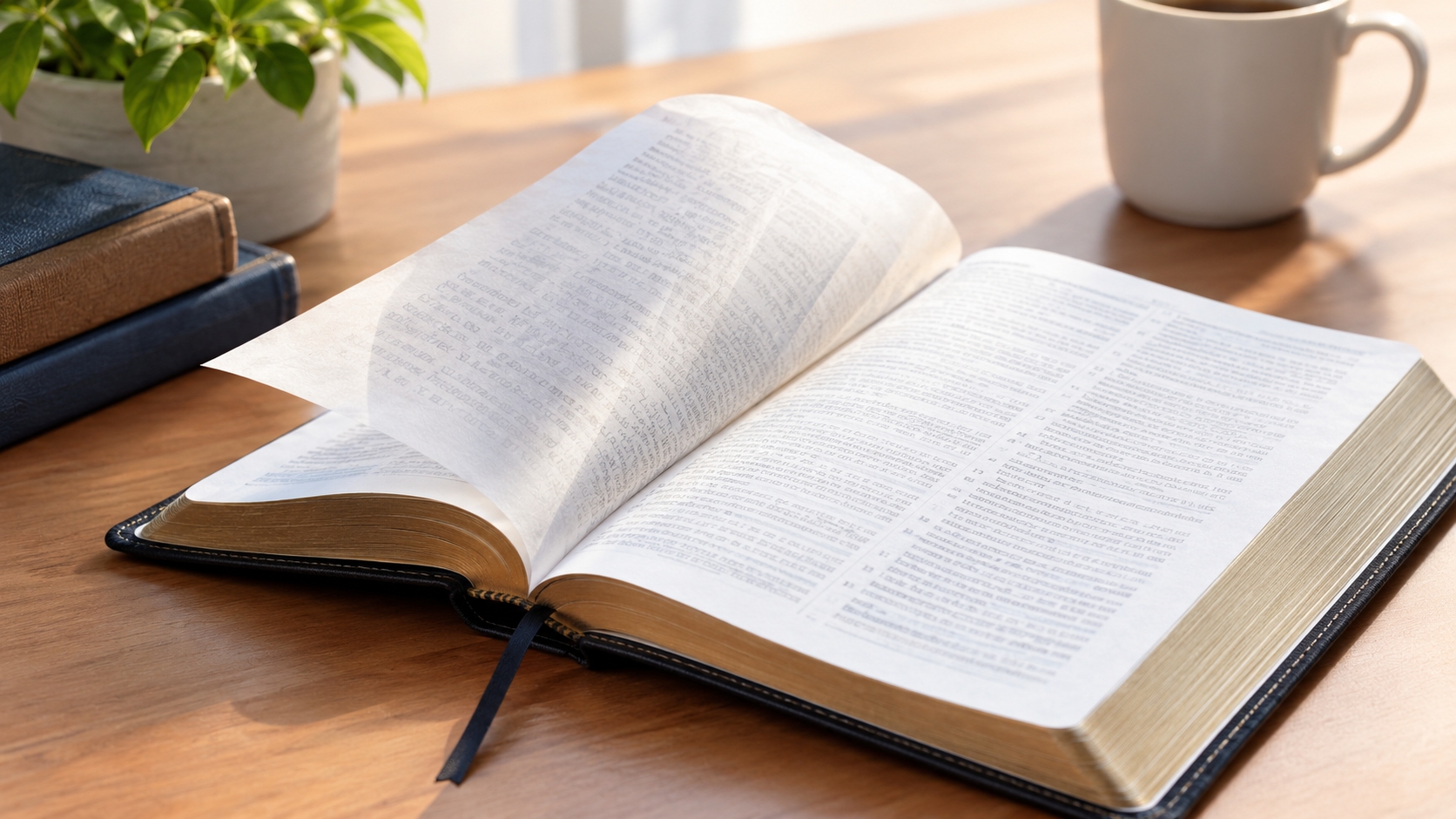
A well constructed sewn book block is generally a good starting place for a large Bible to be used for frequent reading. It can be bound in a hardcover or a softcover, depending upon the needs, handling, and budget for the particular edition.
Don’t expect good opening or long service, however, with just “sewn”. It involves the preparation of the paper, reinforcement, attaching a cover to it, and the quality of the paper itself.
Best solution is the full construction which carries a heavy book, keeping the text readable.
First, Define What Makes the Bible Large
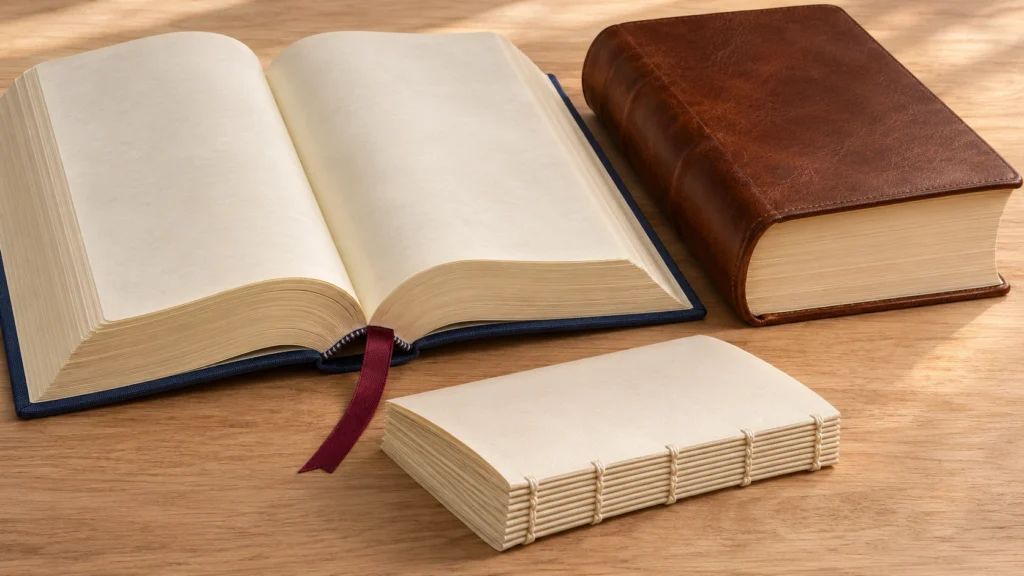
By the term “large” a few different products are being referred to: an oversized family Bible, a study Bible with expanded typography, or a large print version of the Bible.
These have different requirements.
There is often a difference in the leverage applied to bindings in a wide book versus a thick, compact book. Other notes, maps and presentation pages also modify the book block.
Determine trim size, number of pages, paper and use before discussing binding. There is a lot left unanswered if it’s just a binding recommendation based on page count.
Sewn Binding vs Adhesive Binding
Sewn binding typically joins folded sections, often called signatures, with thread. Adhesive and reinforcement remain part of the finished construction.
In adhesive-only constructions, the attachment depends on the selected adhesive system and preparation of the page edges.
Neither should be judged solely by its name.
| Construction | Potential advantage | What publishers should verify |
|---|---|---|
| Section-sewn book block | Mechanical connection through folded sections | Sewing quality and opening behavior |
| Adhesive-only binding | May simplify production for suitable editions | Paper compatibility and attachment strength |
| Sewn block with rigid case | Supported exterior for shelf or desk use | Hinges and case attachment |
| Sewn block with flexible cover | Supple handling and adaptable presentation | Cover support and reinforcement |
For a substantial Bible used repeatedly, discuss section sewing first, then evaluate a representative bound sample.
Why Smyth Sewing Is Often Considered
Smyth sewing is a form of section sewing used in many durable books.
For Bible production, it offers a way to connect groups of thin pages without relying entirely on an adhesive-only spine attachment.
But the details matter. Signature structure, paper strength, sewing tension, spine treatment, and reinforcement must suit the project.
Overly tight or poorly controlled construction can still produce an uncomfortable book.
When requesting custom hardcover book printing, ask the manufacturer to describe the proposed book block—not merely confirm that “sewn binding is available.”
Hardcover or Flexible Cover?
This is in addition to the interior pages’ joining.
A hard case gives structure to the exterior and can be appropriate for family editions, reference editions or presentation editions. A flexible cover is another type of cover which provides another reading experience and may be appropriate for personal reading editions.
Another specification is the type of covering material. The properties of leather, faux leather, cloth and printed paper vary, but no other option can replace good book-block construction.
| Intended use | Construction to discuss | Sample priority |
|---|---|---|
| Desk-based study | Sewn block with an appropriate case or flexible cover | Gutter visibility |
| Family presentation edition | Sewn hardcover | Support and cover attachment |
| Frequent personal reading | Sewn flexible-cover edition | Comfortable handling |
| Large print edition | Construction matched to finished weight | Opening throughout the volume |
Choose based on how readers will use the Bible, rather than appearance alone.
Paper Can Make or Break the Result
Bible paper helps control thickness, but the binding must work with the selected stock.
Grammage does not fully describe thickness, stiffness, opacity, or strength. Two papers with similar weights can produce noticeably different books.
Grain direction also affects how pages bend during opening. Confirm the proposed orientation with the printer.
Request a dummy using the intended paper before approving spine dimensions. A substitute stock may provide an inaccurate impression of thickness and handling.
Printed samples should separately establish readability and show-through.
What About Spine Reinforcement and Cover Attachment?
A large book requires a higher level of binding.
Spine linings, end papers or other bond connectors, glue and cover joins are responsible for the Bible’s ability to work as a unit. Their specifications vary according to the construction.
Inquire about how the book block is sustained and fixed to the cover.
Don’t assume that raised spine details and/or decorative headbands are indicators of structural quality.
Beauty on the outside does not always translate to good attachment on the inside. Open the physical sample and check both ends, the hinges and the opening between the cover and pages.
Does Sewn Binding Guarantee Lay-Flat Opening?
No. Sewing can be used to make the assembly flexible for opening, but the final behavior is dependent on the complete assembly.
Without a definition of the expected behavior, “lay-flat” is also an incomplete acceptance requirement.
Inspect the start, middle and finish of the sample. Do readers have a view of the text close to the gutter? Is the book easily held in the correct page turning position?
Please do not push the lid behind the sample to get it through. If it takes a lot of pressure, look at the construction.
How Should Publishers Balance Cost?
Compare identical specifications when evaluating binding quotations.
A lower price may reflect different paper, cover material, reinforcement, or finishing—not just a more efficient binding method.
For a presentation edition, a hardcover book with a slipcase can add protective packaging and visual value. Approve its fit against the finished Bible.
For separate study guides or Scripture selections, perfect-bound paperback books may be practical. Quote them independently rather than assuming their construction suits a full, heavy Bible.
Approve the Complete Book Before Production
Maintain a physical reference copy (approved).
Check sequence, opening, gutters, attachments, cover fit and page turning. Consensually set production inspections and relevant durability checks.
Document materials and construction accurately. Apparently small changes can affect the finished product and should be reviewed when it is a paper or binding change.
Frequently Asked Questions
Is sewn binding best for every large Bible?
It is often worth prioritizing for frequent-use editions, but the complete specification and physical sample determine suitability.
Is a leather Bible necessarily sewn?
No. Cover material does not establish how the interior pages are joined.
Can a hardcover Bible use adhesive-only binding?
Yes. Ask for the exact construction and evaluate its suitability for the paper, weight, and expected use.
Does a thicker cover improve durability?
Not automatically. Support, flexibility, attachment, and material compatibility matter together.
Why does a sewn Bible feel stiff?
Possible contributors include paper, sewing tension, adhesive, reinforcement, and cover construction. Inspect the assembled sample.
Should large print Bibles use different binding?
They need a construction matched to their finished dimensions and weight. Larger typography alone does not specify the binding.
Can indexing affect the binding decision?
It affects the complete specification, including margins, handling, and finishing. Discuss it before final approval.
What information does the printer need?
Provide trim size, page count, paper, intended use, cover preference, quantity, optional finishes, and delivery requirements.
Share on Social:


