

How Much Does Custom Tarot Card Printing Cost?

Tarot card printing that has customization is perfect for tarot readers, spiritual brands, independent artists, publishers, and businesses aiming to make custom tarot cards. If you’re creating a traditional 78-card tarot deck, building an oracle card set, or creating a personalized tarot product, it’s important to be aware of the printing expenses so you can make a successful budget and maximize your profit margins.
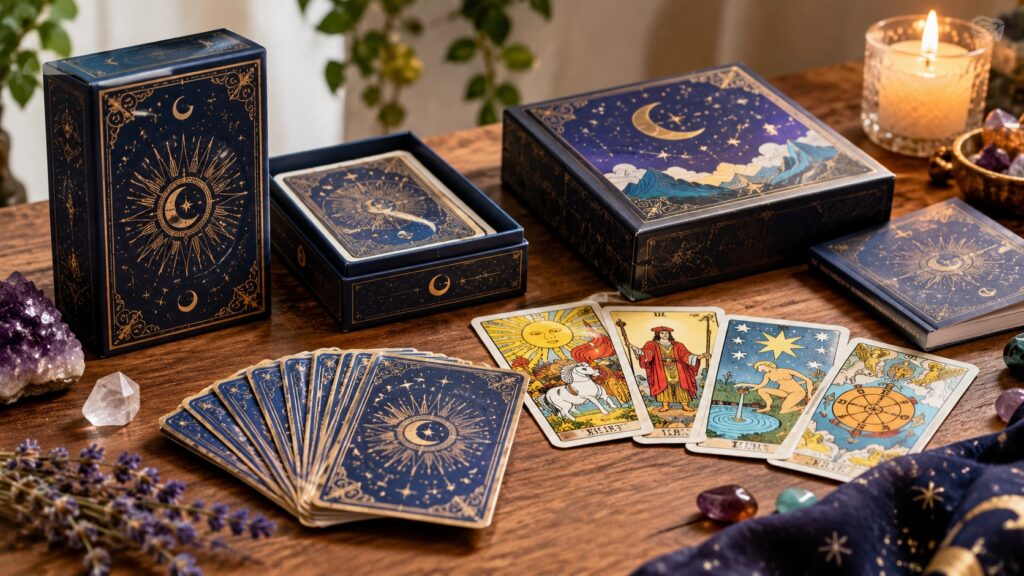
Custom tarot card printing usually costs anywhere from $2 to $15 per deck, or even higher, depending on factors like order quantity, the materials used for the cards, printing quality, packaging, and finishing. Generally, small orders will be more expensive per deck, and large orders can be much cheaper per deck.
In this guide, we will discuss some of the primary factors influencing the cost of custom tarot card printing, estimate prices according to different factors, and offer some suggestions for selecting a reliable tarot card printing manufacturer.
1. What Is the Average Cost of Custom Tarot Card Printing?
The cost of a custom tarot deck will vary according to the number of cards, production volume and customization. The total cost of a basic deck using regular cardstock and standard packaging is typically lower than that of a high-end deck containing textured finishes, gilded edges and a hard presentation box.
The following is a representative estimate of manufacturing, not a live quotation from suppliers. The actual prices are subject to variance from supplier to supplier, depending on the specifications, shipping destinations and quantity ordered.
| Order quantity | Estimated cost per deck | Estimated production cost |
|---|---|---|
| 50 decks | $8–$20 | $400–$1,000 |
| 100 decks | $5–$15 | $500–$1,500 |
| 500 decks | $3–$9 | $1,500–$4,500 |
| 1,000 decks | $2–$7 | $2,000–$7,000 |
| 5,000+ decks | $1.50–$5 | $7,500–$25,000 |
These ranges are based on a fairly typical deck layout. They may not include taxes, freight, import duties and artwork preparation, prototype and special finishing. These figures can be higher for premium decks.
A company that purchases 1000 standard 78-card tarot decks, for instance, might get a better deal than an autonomous publisher, who buys 100 decks. Bigger orders enable manufacturers to spread out setup and manufacturing costs over more items.
Always ask if the quote includes everything you’ll need, including all 78 cards, a guidebook, packaging and custom finishes.
2. Key Factors That Affect Tarot Card Printing Costs
Several production decisions determine the final cost of a custom tarot deck.
Card Quantity and Deck Size
There are 22 Major Arcana cards and 56 Minor Arcana cards in the traditional tarot deck. Some, however, create other decks that include more cards, instruction cards, or companion oracles.
Additional printing paper and finishing materials are needed for more cards. In general, a 100-card deck will be more expensive to produce than a 40-card deck, if they have exactly the same dimensions and materials.
Calculate the number of unique designs, dimensions and card count before asking for a quote.
Cardstock Quality
Cardstock affects durability, flexibility, shuffling performance, and the overall feel of the deck.
Common options include:
- 250–300 GSM cardstock: Suitable for lightweight or budget-friendly decks, depending on the paper construction.
- 300–350 GSM cardstock: A common choice for quality tarot decks, offering a balance of stiffness and flexibility.
- Premium coated or specialty cardstock: Suitable for luxury products requiring distinctive tactile qualities or enhanced durability.
GSM measures paper weight per square meter, but it does not fully describe thickness or performance. Paper composition, coating, and surface treatment also matter.
For professional tarot decks, request physical samples before choosing a stock.
Printing Quality and Color Accuracy
Tarot cards often feature intricate illustrations, symbolic details, gradients, and rich colors. High-quality printing helps preserve the artist’s intended appearance.
Full-color printing is standard for most custom decks. Manufacturers may use offset printing for larger production runs or digital printing for short runs and prototypes.
Offset printing can provide competitive unit costs at higher quantities, while digital printing is useful for testing designs without committing to a large inventory.
Artwork preparation, color management, proofing, and print consistency should all be considered when comparing suppliers.
Surface Finishing
Finishing options influence both appearance and cost.
Popular choices include:
- Matte or gloss lamination
- Varnishing for surface protection
- Linen-textured finishes
- Gold or silver gilded edges
- Foil stamping on selected artwork
- Rounded corners
A standard matte finish can create an elegant appearance without adding excessive complexity. Gilded edges, specialty coatings, and foil details are more suitable for premium editions with higher retail prices.
Choose finishes that complement the artwork rather than adding expensive features that do not improve the customer experience.
3. How Much Does Custom Tarot Card Packaging Cost?
Packaging is another important component of custom tarot card printing. It protects the cards during shipping and helps establish the product’s perceived value.
Tuck Box
Budget-friendly option
A folding paperboard box is lightweight, easy to store, and suitable for affordable tarot decks or mass-market products.
Rigid Box
Premium presentation
A rigid box provides a sturdier structure and more luxurious appearance, making it suitable for gift sets and collector editions.
Deck and Guidebook Set
Complete product experience
A custom box containing cards and an illustrated guidebook creates a more comprehensive product but adds printing, binding, and assembly costs.
Packaging costs depend on box dimensions, materials, printing coverage, inserts, finishing, and order quantity. Request separate quotations for the cards and packaging so you can identify the most effective cost-saving opportunities.
4. Is Custom Tarot Card Printing Cheaper in China?
China is a common sourcing destination for custom playing cards, tarot decks, board games, and printed packaging. Manufacturers may offer integrated services covering card printing, finishing, box production, and assembly.
For businesses planning to order several hundred or several thousand decks, working directly with a Chinese printing manufacturer may offer competitive production costs.
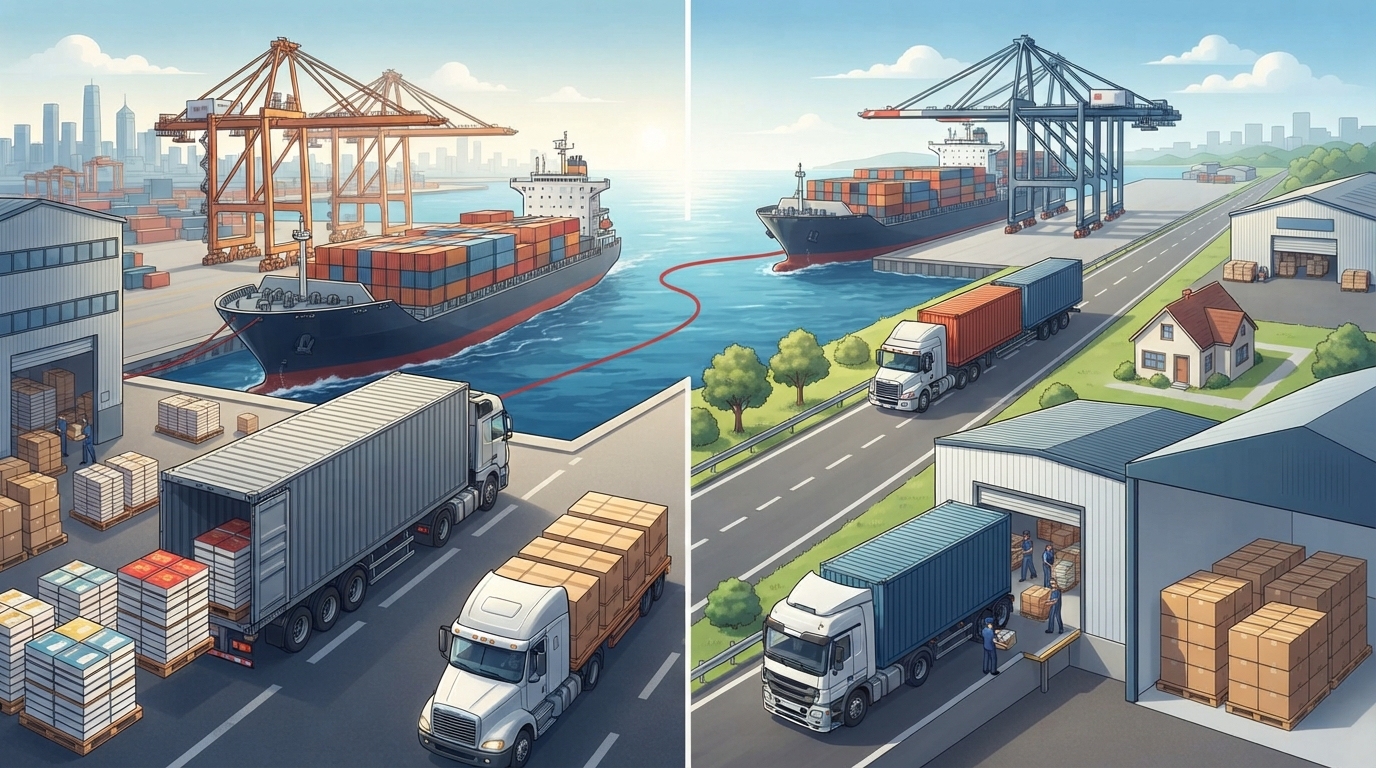
However, the lowest quoted factory price does not necessarily mean the lowest total cost. International freight, customs duties, quality inspections, and production lead times can affect the final landed cost.
When evaluating a supplier, consider:
- Experience producing tarot cards and other specialty card products
- Available cardstock and surface finishes
- Color consistency and quality-control procedures
- Custom packaging and guidebook capabilities
- Minimum order quantity (MOQ)
- Sample availability and production lead time
- Shipping options and export experience
Ask for photos of previous projects and physical samples where possible. A reliable manufacturer should be able to explain the production specifications and provide a detailed quotation based on your requirements.
5. How to Reduce Custom Tarot Card Printing Costs
You do not need to compromise the quality of your artwork to control manufacturing expenses. Several practical strategies can help reduce the cost per deck.
Order in Larger Quantities
Increasing the order quantity often lowers the unit cost because setup, prepress, and other fixed expenses are distributed across more decks.
However, bulk purchasing is worthwhile only when you have a realistic sales forecast and enough storage space.
Simplify Packaging
Consider using a well-designed tuck box instead of an elaborate rigid box for your first edition. You can introduce premium packaging after validating market demand.
Standardize Card Dimensions
Using a manufacturer’s existing production specifications may help reduce material waste and simplify production. Ask whether your preferred dimensions are compatible with standard cutting and finishing equipment.
Limit Special Finishes
Gold edges, foil stamping, embossing, and complex inserts can increase production costs. Prioritize the features that contribute most to your brand identity and customer experience.
Prepare Print-Ready Artwork
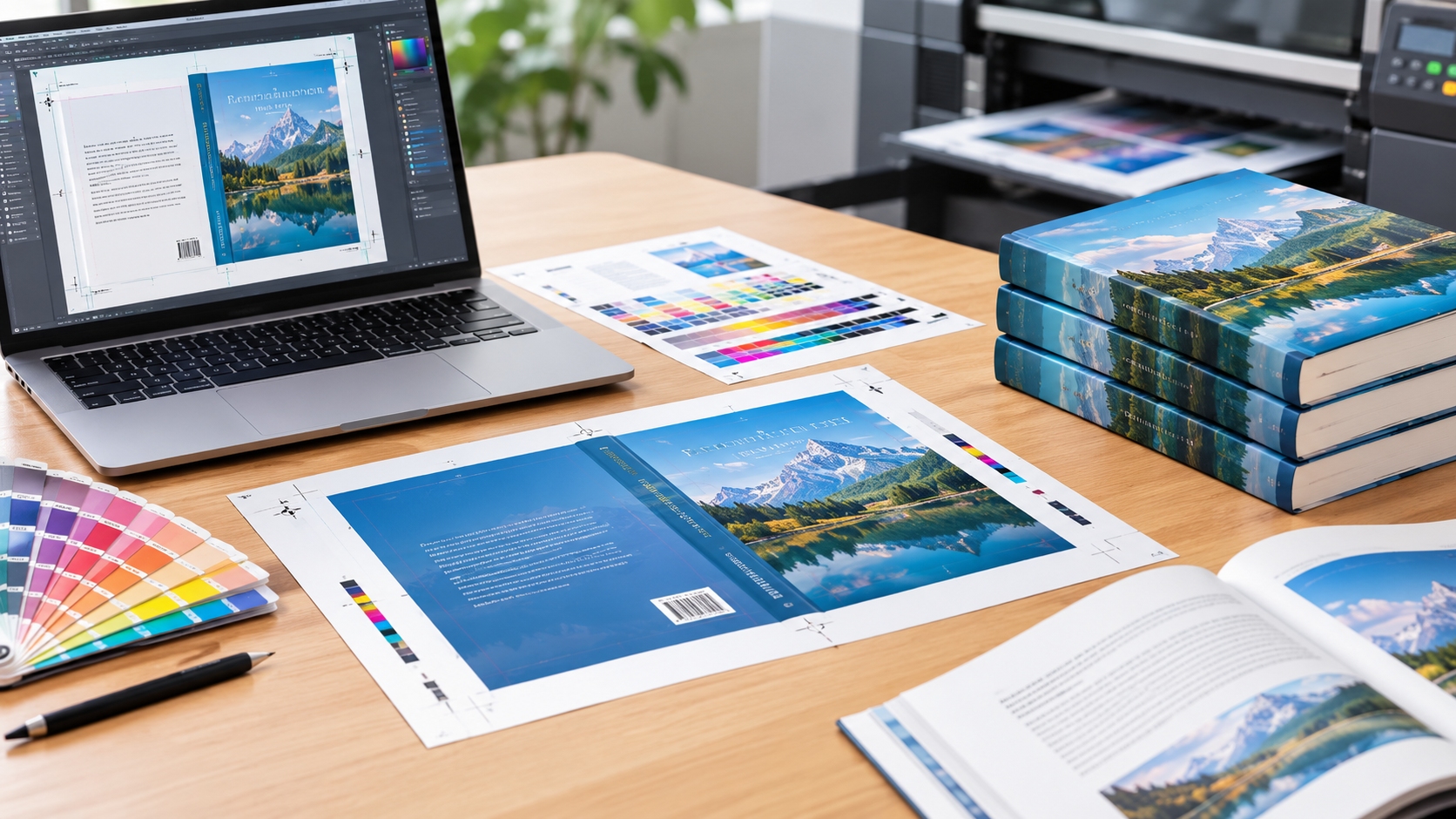
Correctly prepared artwork can reduce delays and revision expenses. Confirm bleed requirements, safe margins, image resolution, color settings, and file formats before submitting your designs.
Compare Complete Quotations
Request quotations for the same specifications from multiple manufacturers. Compare total costs, not just the advertised price per deck.
6. What Is the Minimum Order Quantity for Custom Tarot Cards?
Minimum order quantity varies by printing method and manufacturer. Some suppliers accept small digital-printing orders, while others specialize in larger offset-printing runs.
For planning purposes, you may encounter MOQs ranging from around 50–100 decks for certain short-run services to 500–1,000 decks or more for some factory-production arrangements. These are indicative examples rather than universal industry standards.
If you are an independent artist launching your first tarot deck, a smaller batch can help you test demand and collect customer feedback.
If you already have an established audience, a larger production run may provide better unit economics.
Before placing an order, clarify whether the MOQ applies to one design, one packaging configuration, or the total order. Multiple deck designs may require separate production arrangements.
7. How to Calculate the Total Cost of a Tarot Deck
The factory price is only one part of your budget. To estimate the actual cost of bringing a tarot deck to market, include all relevant expenses.
Total landed cost = manufacturing + artwork and setup + packaging extras + freight + duties and taxes + inspection and other applicable fees.
For example, suppose you order 1,000 tarot decks at a manufacturing price of $4 per deck.
| Expense | Illustrative amount |
|---|---|
| Card decks and standard packaging | $4,000 |
| Artwork preparation and setup | $300 |
| International shipping | $800 |
| Inspection and other fees | $200 |
| Estimated total before applicable taxes and duties | $5,300 |
| Estimated landed cost per deck | $5.30 |
This example is for budgeting purposes only. Actual freight, setup charges, and production prices can differ significantly.
If you sell each deck for $25, the difference between the retail price and the $5.30 landed cost is $19.70 per deck before marketing, fulfillment, platform fees, returns, and other business expenses. This difference is not the same as net profit.
8. How to Choose a Reliable Custom Tarot Card Printing Manufacturer
Choosing the right supplier involves more than comparing prices. Consistent card quality, accurate colors, reliable packaging, and dependable delivery are essential for building a successful tarot brand.
Start by preparing a clear specification sheet containing the following information:
- Number of cards and deck dimensions
- Cardstock type, weight, and finish
- Printing requirements and artwork files
- Edge treatment and corner style
- Packaging type and any guidebook requirements
- Target order quantity and delivery destination
Send for a sample or production proof prior to placing the full order. Agree on the production schedule, payment plan, shipping process and what to do if the product is defective.
Having a supplier who has good communication skills and offers clear specifications can minimize costly misunderstandings later in the process.
Conclusion
The price of tarot card printing is based on the number of cards, quality of printing and cardstock, finishing, packaging, and production volume. While a good general planning estimate, standard decks might run at about $2-$7 per unit for a 1000-deck production run, small runs and high-end editions may be quite expensive.
The ideal way is to determine product requirements, get full manufacturer quotes and test samples before ordering the big quantities.
From establishing a new brand of tarot cards, to making a special gift for someone, to finding wholesale tarot cards for your store, proper production planning can help you keep your products quality, manufacturing costs and future profit in check.
Frequently Asked Questions
How much does it cost to print 100 custom tarot decks?
A preliminary budget of $500–$1,500 may be reasonable for 100 standard decks, excluding certain setup, shipping, and tax expenses. Premium specifications may cost more.
How many cards are in a standard tarot deck?
A traditional tarot deck contains 78 cards, including 22 Major Arcana and 56 Minor Arcana cards.
Can I print tarot cards with my own artwork?
Yes. Many custom card printers support original illustrations, personalized card backs, custom packaging, and branded guidebooks, subject to their file requirements and production capabilities.
Is bulk tarot card printing more cost-effective?
Generally, yes. Larger quantities can reduce the unit manufacturing cost, although you should balance potential savings against inventory, storage, and cash-flow requirements.
What should I ask a tarot card printing supplier before ordering?
Confirm the MOQ, unit price, card specifications, packaging inclusions, sample cost, production time, shipping terms, and quality-control policy. These details help you compare suppliers accurately and estimate the full cost of your project.
Share on Social:


