

What Is the Difference Between a Digital Proof and a Physical Proof?
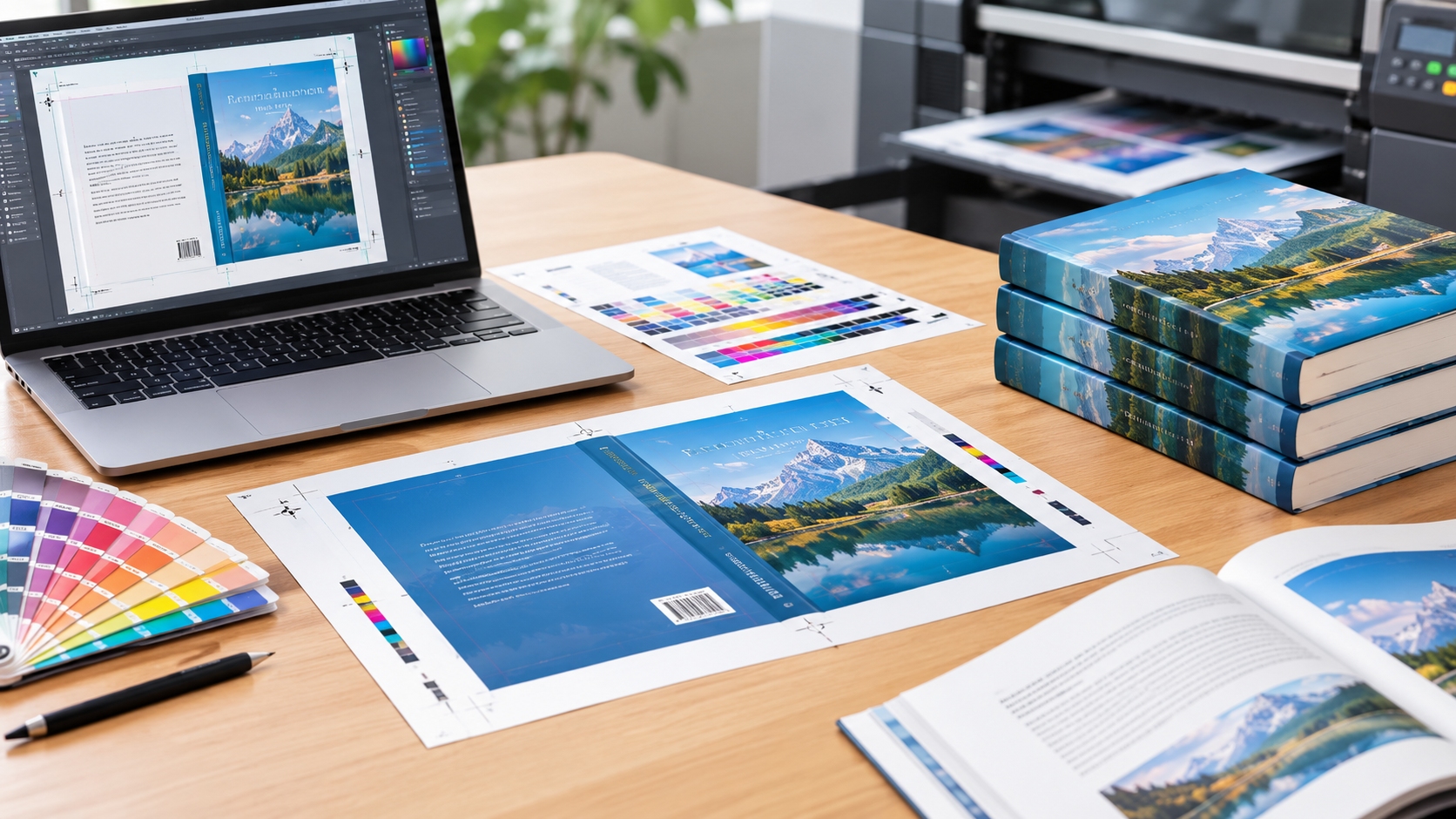

Once you have a book, catalog, brochure or other printed product ready, it is crucial to go through a proof before putting it into production for mass printing. A proof enables authors, publishers, designers and printing companies to view the layout, colors, text and images, as well as the overall look of the product before the final print run. There are two types of proofs commonly used: digital and physical proofs.
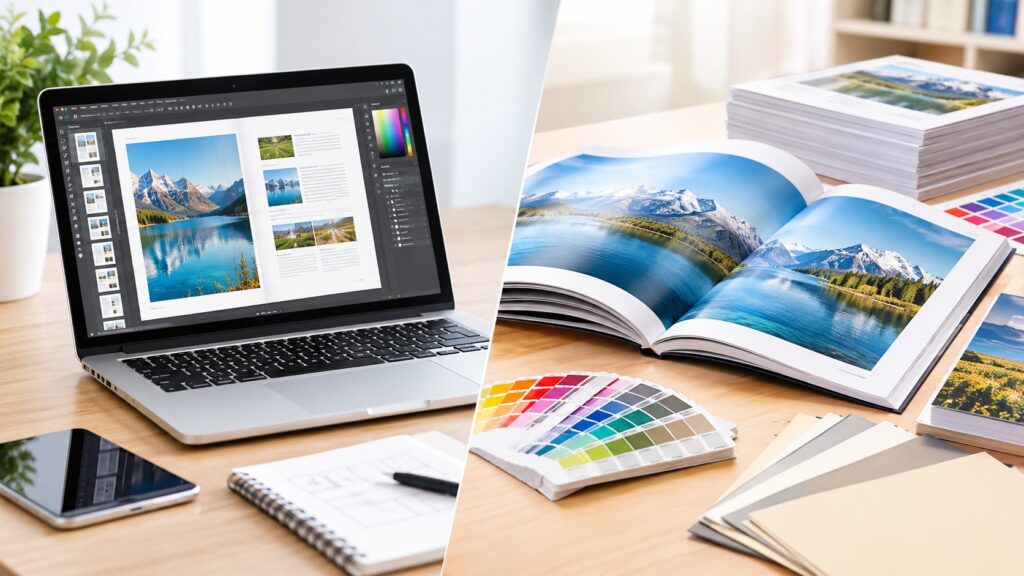
They both have a similar function, but they differ in their manner of production, in what they can show, and in their degree of fidelity to the completed product. Knowing the difference between digital proof and physical proof will guide you to select the appropriate proof type for your needs, minimize printing mistakes, manage costs, and better manage printed materials.
What Is a Digital Proof?
A digital proof is a preview of a printed piece, typically in PDF format or other digital format. It enables customers to see the design on computer, tablet or cell phone before it is printed.
Final artworks are usually used to create digital proofs by way of professional design and prepress software. Usually they display page formatting, text positioning, image positioning, margins, page numbering, and other design aspects.
Advantages of Digital Proofs
1. Fast turnaround
Digital proofs can often be generated and delivered within hours, depending on the complexity of the project and the printer’s workflow. Customers can review the file immediately without waiting for a physical sample to be produced or shipped.
2. Lower cost
Because digital proofs do not require paper, ink, binding, or shipping, they are generally less expensive than physical proofs. Many printing companies include a standard digital proof in their quotation.
3. Convenient collaboration
Digital files are easy to share with editors, designers, marketing teams, and other decision-makers. Multiple reviewers can examine the same document, leave comments, and request revisions without handling a physical sample.
4. Easy revisions
If a spelling error, incorrect image, or layout problem is discovered, the designer can update the artwork and generate a revised proof. This makes digital proofs particularly useful for projects that require multiple rounds of approval.
Limitations of Digital Proofs
The main limitation is that a digital proof cannot fully reproduce the experience of examining a printed product.
Screen colors depend on monitor calibration, brightness, display technology, and color settings. A color that appears vibrant on a screen may look different when printed on paper.
Digital proofs also cannot reliably demonstrate the actual paper texture, thickness, surface finish, binding strength, or physical dimensions of the finished product. They are therefore excellent for checking artwork but less suitable for evaluating every aspect of print quality.
What Is a Physical Proof?
A physical proof is a printed sample created to help customers evaluate how a design will look and feel as a real product. Depending on the printing method and the service offered, it may be produced using a digital printer, a production-equivalent printing process, or the actual production equipment.
Physical proofs can take several forms, including printed pages, color proofs, bound book samples, packaging prototypes, and complete preproduction samples.
For book printing projects, a physical proof may include the cover, interior pages, paper stock, and binding. For packaging projects, it may demonstrate the material, folding structure, dimensions, and finishing details.
Advantages of Physical Proofs
1. More realistic color evaluation
A physical proof allows customers to inspect printed colors under real lighting conditions. Depending on the proofing method, it can provide a more useful indication of how the final product will appear on the selected paper.
However, not every physical proof guarantees an exact color match. A proof printed using a different device, ink system, or paper may still differ from the final production run.
2. Accurate assessment of materials
Physical samples allow customers to feel the paper and evaluate its weight, texture, opacity, and stiffness. This is especially important for hardcover books, premium catalogs, children’s books, and luxury packaging.
3. Verification of binding and construction
For products involving binding, folding, cutting, or assembly, a physical proof can reveal problems that are difficult to identify on a screen. Customers can check page alignment, cover placement, spine width, folding accuracy, and overall construction.
4. Better understanding of the final product
A physical sample provides a tangible representation of the product. It helps customers judge whether the design, materials, and finishing choices meet their expectations before committing to a large production quantity.
Limitations of Physical Proofs
Physical proofs usually require more time and money than digital proofs. Production may involve sample preparation, printing, finishing, binding, and shipping.
The cost can vary depending on the product, quantity, proofing technology, and whether the sample uses actual production materials. International shipping can add further delays for customers working with overseas printing manufacturers.
Another important consideration is that a physical proof may not perfectly match the final production run unless it is produced under representative production conditions.
Digital Proof vs. Physical Proof: Key Differences
The main difference is that a digital proof evaluates the artwork on a screen, while a physical proof allows customers to examine a printed sample.
| Comparison factor | Digital proof | Physical proof |
|---|---|---|
| Format | PDF or digital file | Printed sample |
| Turnaround time | Usually faster | Usually slower |
| Cost | Generally lower | Generally higher |
| Text and layout checks | Excellent | Excellent |
| Screen-to-print color evaluation | Limited | More representative |
| Paper texture and thickness | Cannot be evaluated directly | Can be evaluated directly |
| Binding and construction | Limited assessment | Can be inspected |
| Sharing and collaboration | Easy to share online | Requires sample handling or shipping |
| Best use | Artwork and content approval | Material and finished-product evaluation |
The right choice depends on your project requirements, budget, schedule, and the level of quality control needed.
Which Proof Is Better for Book Printing?
For book printing, digital and physical proofs serve different purposes. The most effective approach often involves using both.
When to Choose a Digital Proof
A digital proof is generally sufficient for reviewing:
- Spelling, grammar, and punctuation.
- Page numbers, chapter headings, and table of contents.
- Image placement and text alignment.
- Margins, bleed, and page layout.
- Cover artwork and spine text placement.
- General design consistency across the book.
For standard paperback books, manuals, reports, and documents with straightforward layouts, a digital proof may be enough for the initial approval stage.
When to Choose a Physical Proof
A physical proof is particularly valuable when producing:
- Hardcover books with customized covers.
- Children’s board books with thick pages.
- Photo books and image-heavy publications.
- Premium catalogs and art books.
- Books requiring special paper, lamination, foil stamping, or embossing.
- Large print runs where production errors could result in significant financial losses.
For example, if you are printing 1,000 hardcover books, reviewing a physical sample can help you evaluate the cover material, paper quality, color reproduction, and binding before approving the entire order.
For children’s books, a physical proof is especially useful for checking page thickness, color consistency, rounded corners where applicable, and the overall durability of the finished construction.
How to Choose the Right Proofing Method
Selecting the right proofing method requires balancing cost, turnaround time, and quality expectations.
Step 1: Review the artwork digitally.
Start with a digital proof to identify spelling mistakes, layout inconsistencies, incorrect images, and formatting problems. Confirm that the printer has received the correct file version.
Step 2: Identify material-related risks.
Consider whether the project depends heavily on precise colors, specialty paper, binding, or finishing. If these factors are important, a physical proof may be necessary.
Step 3: Confirm the proofing method with your printer.
Ask whether the physical proof uses the intended paper, printing technology, inks, and finishing processes. For color-critical work, ask whether a calibrated contract proof is available.
Step 4: Check production specifications.
Verify the trim size, bleed, paper weight, cover specifications, binding method, and finishing requirements. A sample should be evaluated against the approved specifications rather than visual appearance alone.
Step 5: Provide final approval in writing.
Once the proof has been reviewed, clearly communicate approval or provide a consolidated list of corrections. Confirm that the printer will use the approved artwork for production.
Keep in mind that changes made after approval may affect production schedules and costs.
How Much Does Proofing Cost?
Digital proofing is often included in a printing quotation or offered at little additional cost. Physical proofing may involve a separate charge for sample production, materials, finishing, and shipping.
The exact price depends on the printing company, product specifications, proof type, and order quantity. A simple printed page will generally cost less to proof than a fully bound hardcover book or a complex packaging prototype.
When requesting a quote, ask whether the price includes digital proofing, physical sampling, revisions, shipping, and any additional setup charges. Also confirm whether the proofing fee can be credited toward the final production order.
Common Mistakes to Avoid When Reviewing Proofs
Even when a proof is available, overlooking important details can lead to expensive mistakes.
First, do not assume that a PDF accurately represents printed colors. Use appropriate color-management tools or request a physical color proof when color accuracy is critical.
Second, do not approve a proof before checking the entire document. Review the cover, interior pages, page sequence, and any special finishing requirements.
Third, avoid assuming that every physical proof is identical to the production run. Confirm whether the sample was produced using representative materials and processes.
Finally, do not rely solely on visual inspection. Compare the proof with the approved specifications and the printer’s production requirements.
Frequently Asked Questions
Is a digital proof the same as a PDF proof?
In most printing workflows, a PDF proof is a type of digital proof. It presents the artwork electronically for review and approval. Other digital proofing systems may use specialized online review platforms.
Does a physical proof guarantee perfect printing?
No. A physical proof reduces uncertainty, but it does not guarantee that every production copy will be identical. Differences can occur because of equipment settings, paper batches, ink behavior, finishing, and production conditions.
Can I skip a physical proof?
Yes, for many straightforward projects where content and layout are the primary concerns. However, skipping a physical proof may increase the risk of unexpected material, color, or construction issues for complex or premium products.
How long does proofing take?
Digital proofs should be received within hours or a few days depending on the printer and project. When binding is required, finishing or international shipping, etc., may be required and will take several additional days. Request your printer to provide you with a project-specific deadline.
Conclusion
The distinction between a digital proof and a physical proof is that of what you need to be sure of before making your product. Digital proofs are quick, inexpensive and perfect for text, layout and artwork. Physical proofs give you a better idea of the paper, color, binding and the final product.
In many printing projects, the most important choice to make is whether or not to check a digital proof first and a physical proof if materials, colors, construction etc. are important. Selecting the appropriate proofing technique and thoroughly examining all aspects before approval can help minimize production threats, prevent unnecessary expenses, and guarantee superior printing results.
When ordering a custom book printing project, inquire from your printing manufacturer what proofing options are available and what will be the most suited method for your product specifications, budget and quality requirements.
Share on Social:


