

Top 10 Questions to Ask a Book Printing Manufacturer

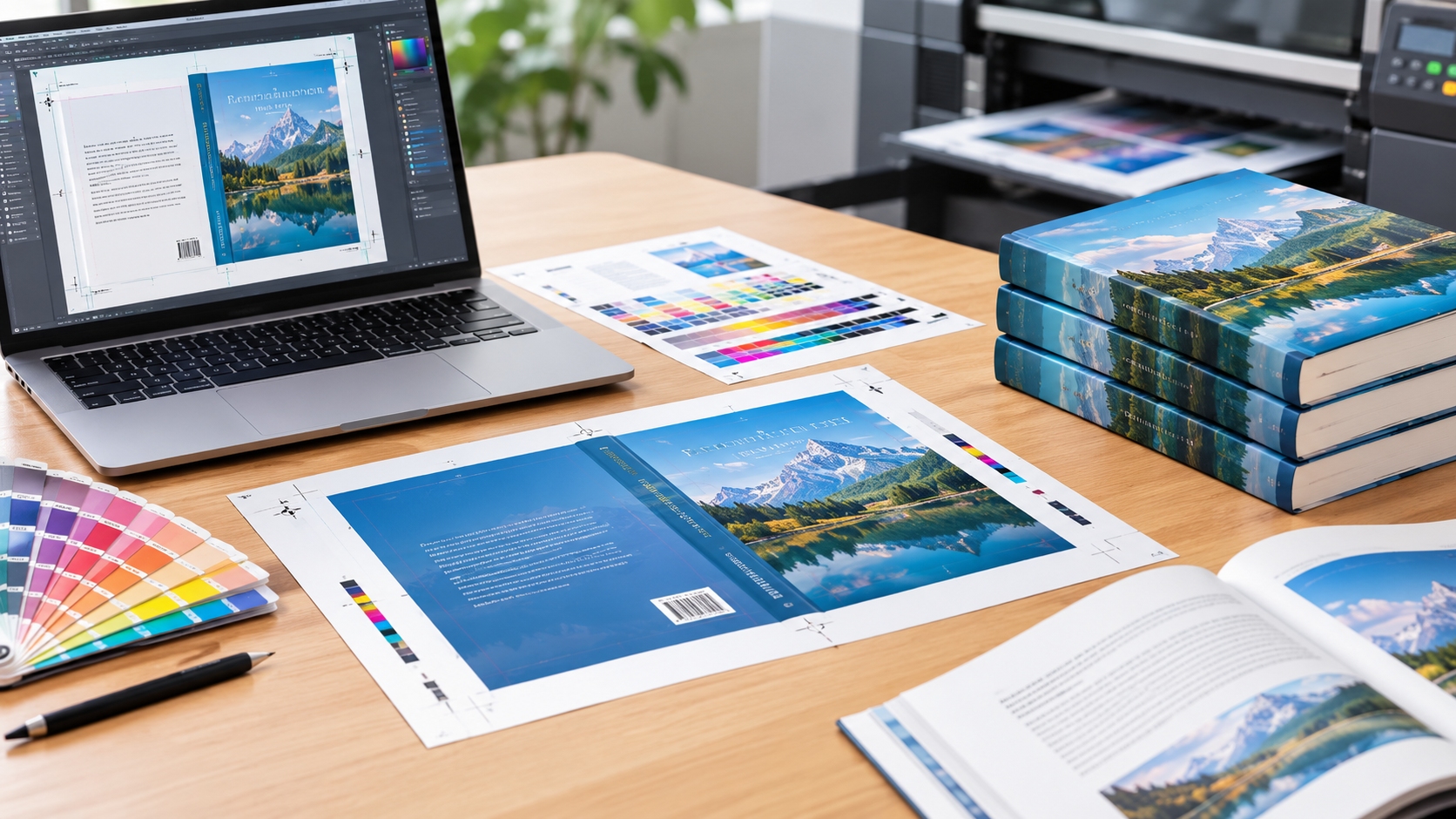

Before choosing a book printing manufacturer, ask about relevant production experience, materials, binding, proofing, quality checks, and delivery. A useful quotation should explain what will be manufactured, how it will be approved, and what the price includes.
For publishers, these conversations are more valuable than a broad promise of “premium quality.” You need answers that relate to your actual title, whether that means a paperback series, an illustrated hardcover, or a workbook.
The following ten questions help turn an initial inquiry into a clear production brief.
1. Have You Manufactured Books Similar to Ours?
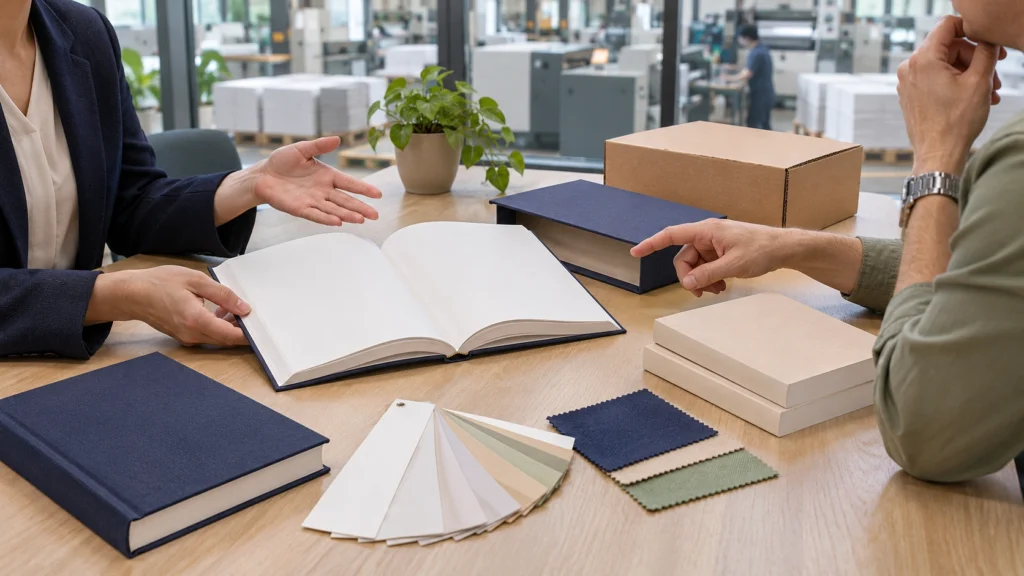
Start with relevant experience. A factory producing general commercial printing may approach a complex publishing project differently from a manufacturer regularly handling comparable books.
Explain your format, readership, page count, and special features. Then request samples resembling the proposed construction.
An oversized photography book is not a useful binding reference for a compact novel. Look for similarities in paper, thickness, binding, and finishing rather than cover appearance alone.
2. What Specifications Do You Need for an Accurate Quote?
A manufacturer should help identify missing information before presenting a firm production proposal.
Send a structured brief instead of relying on photographs and approximate descriptions. Reference images are useful, but they cannot establish paper weight, board thickness, or book-block construction.
| Quote requirement | Information to provide |
|---|---|
| Order quantity | Copies per title and edition |
| Finished format | Trim size and orientation |
| Interior | Page count, printing colors, and paper |
| Binding | Page attachment and cover structure |
| Finishing | Lamination, foil, edges, and accessories |
| Packaging | Individual protection and carton needs |
| Delivery | Destination and required arrival date |
Ask the printer to state its assumptions. This makes quotations easier to compare and reduces surprises later.
3. Which Paper Would You Recommend, and Why?
A helpful recommendation connects paper characteristics to the publication’s purpose.
For novels, readability, opacity, and finished weight may matter most. For art books, image reproduction and surface appearance deserve closer attention.
Ask for samples of the proposed stock and any alternatives. Compare thickness as well as GSM, since paper bulk affects the spine and packaging.
Also ask how material substitutions are handled. An alternative should require your approval before production.
4. How Will the Book Block and Cover Be Constructed?
Binding terminology can hide important differences. “Hardcover” identifies a rigid cover, while “sewn” explains how folded sections are joined.
When discussing custom hardcover book printing, request details about sewing or adhesive binding, endpapers, hinges, boards, and covering materials.
For paperbacks, ask about adhesive suitability and opening behavior. A manufacturer should explain the proposed structure clearly enough for you to compare it with a physical sample.
5. What File Requirements and Templates Will You Provide?
Confirm technical requirements before the designer exports final artwork.
Ask about bleed, safe areas, image resolution, fonts, color preparation, and PDF settings. Request a cover template based on the agreed paper, page count, and binding.
Spine dimensions should follow the production specification rather than an early estimate.
Clarify the scope of prepress checks, too. The printer may identify technical issues, but the publisher remains responsible for approving text, page order, and editorial content.
6. What Will Each Proof or Sample Demonstrate?
The word “proof” can describe several different approval tools. Ask what you will receive and which production decisions it helps confirm.
A digital proof cannot demonstrate cover texture. A blank dummy cannot establish printed color.
| Approval tool | Main purpose | Question to ask |
|---|---|---|
| Digital proof | Content placement and pagination | Does it include every final page? |
| Structural dummy | Size, thickness, and handling | Does it use the proposed materials? |
| Color proof | Agreed print appearance | How will production reference it? |
| Finished sample | Binding, finishing, and assembly | What differs from the bulk run? |
Record any differences before approval. Otherwise, both sides may believe they have agreed to something different.
7. How Will You Check Quality During Production?
Ask for checks that relate to your book’s construction.
Useful discussion points include page sequence, trimming, print appearance, binding, finishing alignment, and packing. For multiple editions, ask how artwork versions and components will be kept separate.
A hardcover book with a slipcase also needs a fit check using the finished book.
Agree on inspection arrangements and acceptance criteria before production begins. “We inspect everything” needs a more specific explanation.
8. What Is Included in the Price?
Ask the manufacturer to separate the base specification from optional features and additional services.
Proofs, custom samples, tooling, ribbons, dust jackets, individual wrapping, and transport may be included or charged separately. Neither arrangement is inherently problematic; unclear assumptions are.
For perfect-bound paperback books, compare identical paper, cover finishes, quantities, and delivery scope.
Confirm quotation validity and any agreed quantity allowance so the final invoice is easier to reconcile.
9. When Does the Schedule Start?
An estimated production period may begin after artwork approval, sample approval, or material confirmation.
Ask the manufacturer to identify these milestones. Then work backward from your required arrival date, allowing for revisions, inspection, packing, and transportation.
A useful schedule shows what you need to approve and when. It should also explain what happens if an approval is delayed.
For a series launch, discuss whether all titles must ship together or can be released separately.
10. How Will Reprints and Quality Concerns Be Handled?
Discuss repeat orders before the first run is complete.
Ask whether approved files, specifications, and physical samples will be retained. Confirm how changes in paper availability or covering materials will be communicated.
For quality concerns, establish the reporting process, required evidence, and contact person. Discuss how disagreements will be assessed against approved references.
Clear records help both sides. They also make reordering easier when your original project contact is unavailable.
Frequently Asked Questions
Should I contact several book printing manufacturers?
Yes. A focused shortlist lets you compare relevant samples, technical proposals, communication, and complete quotations using one consistent brief.
Can a manufacturer recommend specifications?
Yes, but explain the intended use, target selling price, and design priorities so its recommendations address your project.
Do I need finished artwork to request a quote?
Not always. Preliminary specifications can support an estimate, but changes to format, materials, or page count may change the price.
Who approves spelling and page order?
The publisher should approve editorial content and pagination. Technical file checks should complement your own review.
Should I request prices at different quantities?
Yes. Use quantities supported by your sales plan and compare total spending alongside the unit price.
Can I supply a reference book?
Yes. Identify which details should match and which should change, then record the agreed specifications in writing.
The manufacturer should propose an alternative for approval before using it. Review its effect on appearance, construction, cost, and schedule.
What makes a manufacturer’s response useful?
Specific answers, clear assumptions, relevant samples, and documented responsibilities give publishers a practical basis for choosing a production partner.
Share on Social:


