

Bible Printing Company in China: Leather, PU and Hardcover Bible Preferences by Region
Related Posts
Bulk Custom Book Printing in China for Publishers and Brands
September 30, 2026
Children’s Book Printing for Publishers: 2026 Interactive Book Trends
September 30, 2026
Bulk Journal Printing Quality Control: Binding Strength, Page Order and Trim Accuracy
September 29, 2026
Softcover Book Printing in China: Short Runs, Bulk Orders and Reprint Planning
September 29, 2026
Bible cover selection is not simply a design decision. It affects product positioning, durability, reading comfort, shipping weight, production cost, and the reader’s perception of quality.
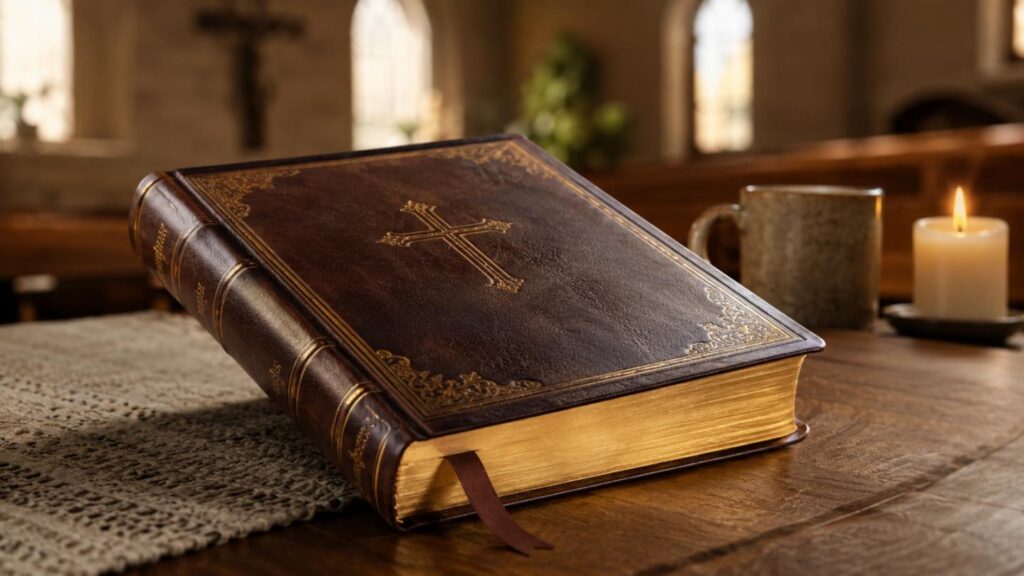
For publishers sourcing from a Bible Printing Company in China, regional preferences should be translated into measurable specifications. A premium leather Bible for North American gift retail requires a different structure from a hardcover edition intended for church distribution in Africa or a moisture-resistant PU Bible sold in Southeast Asia.
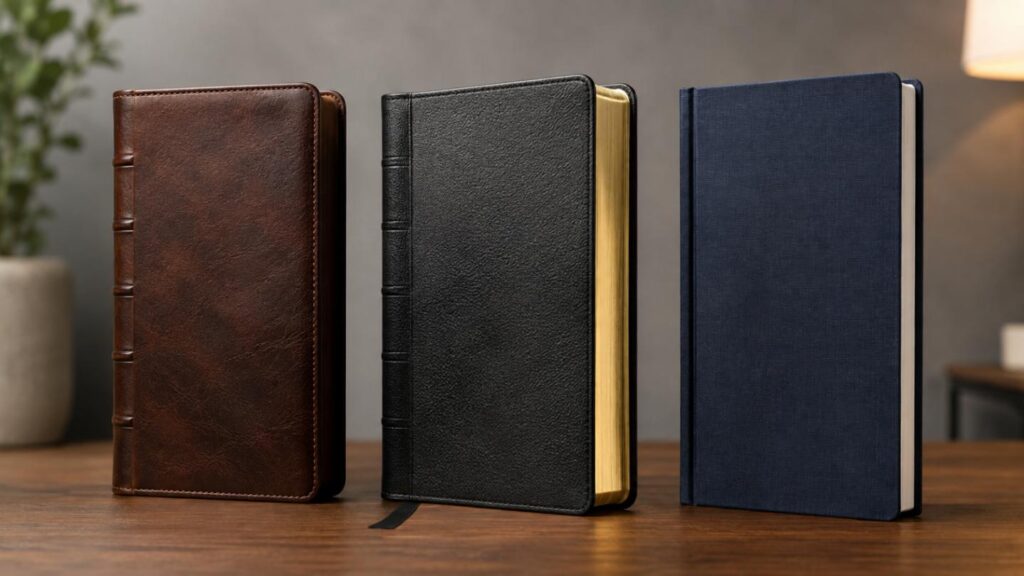
Leather, PU Leather, or Hardcover Categories
Each cover type matches specific price segments and applications.
| Cover Type | Construction and Feel | Most Suitable Applications | Main Advantage | Technical Considerations |
| Genuine Leather | Natural Leather with Grains and Textures | Premium Gifts and Commemorative Editions | Long Service Life,Premium Feeling and Comfortable to Hold | Higher cost, natural color variation, careful material grading |
| PU Leather | Synthetic Leather with Various Textures, Colors and Softness | Study Bibles, Zipper Bibles, Pocket Bibles, Gifts | Flexible, customizable and cost-efficient | Abrasion resistance, fold endurance and hydrolysis performance vary by grade |
| Hardcover | Boards and Printed Paper Wrapped Cover | Church, School, Family and Reference Bibles | Stability and Strength with a Protection Layer, Strong and Efficient Bulk Production | Determines the Level of Opening Performance |
A qualified Bible Printing Company in China should focus on the full-book structure and not just the cover construction. Factors such as flexible design, customizable layout, fun to carry, easy to handle, and holds together well
Regional Bible Cover Preferences
| Market | Typical Cover Preference | Main Purchase Drivers | Common Features |
| North America | PU leather, genuine leather, hardcover | Study functions, gift value, portability | Zippers, thumb indexes, red-letter text, ribbons |
| Europe | Hardcover, cloth binding, premium PU | Minimalist design, sustainability, edition consistency | Matte surfaces, restrained foil, clean typography |
| Latin America | Flexible PU, hardcover | Durability, price, Spanish-language editions | Gilded edges, embossing, decorative foil |
| Africa | Durable hardcover, economical PU | Bulk cost, transport strength, frequent use | Sewn sections, lightweight paper, reinforced cartons |
| Middle East | Hardcover, PU leather | Complex scripts, cultural design, bilingual content | Right-to-left layouts, decorative stamping |
| Southeast Asia | PU leather, lightweight hardcover | Moisture resistance, portability, material stability | Protective packaging, flexible covers |
North America: Feature-Rich Study and Gift Editions
North American Bible products frequently include:
• Study notes and cross-references
• Thumb indexes and multiple ribbon markers
• Red-letter sections
• Large-print layouts
• Zipper or magnetic closures
• Gift boxes or slipcases
PU leather is widely used because it provides a soft, premium appearance without the cost of genuine leather. Genuine leather is more suitable for commemorative, heirloom and collector editions.
Smyth-sewn Bible binding, which allows a book to open more easily and eliminates stress on the inner margins during repeated reading, is ideal.

Europe: Thoughtful Design and Practical Uses of Materials
European publishers tend to choose the same bindings used for European Bible publishers for matte finishes and decoration control.
Sustainability may affect:
• Paper sourcing
• Recycled material content
• Lamination choice
• Plastic-free packaging
• Product toughness and the expected period of use
A Bible publishing company in China serving European publishers must keep documented material specifications and repeatable color standards. Visually consistent prints become almost as important as the initial print runs.
Latin America: Flexible PU and Spanish Bible Editions
PU leather is a practical choice for Latin American markets because it balances flexibility, decorative potential and production cost. Spanish-language editions, including Reina-Valera versions, may feature:
• Gold or silver page edges
• Foil-stamped titles
• Embossed cover patterns
• Ribbon markers
• Flexible rounded corners
• Protective zipper structures
Because many editions are used regularly for church services and personal study, fold resistance and cover-to-book-block adhesion should be tested before mass production.
Africa: Durability and Distribution Efficiency
Bible projects for churches, schools, missions and nonprofit organizations often involve large quantities and long transportation routes. The key objective is usually dependable performance at a controlled unit cost.
Hardcover structures are suitable where the book requires strong protection during storage and repeated community use. Economical PU can be considered for personal editions, provided that tear strength and folding performance are verified.
Important production decisions include:
• Using 28–32gsm Bible paper to reduce book thickness and shipping weight
• Selecting sewn or reinforced binding for frequent opening
• Controlling carton weight for manual handling
• Adding moisture protection for ocean transport
• Strengthening outer cartons and pallet configurations
Middle East: Complex Scripts and Layout Direction
Arabic and bilingual Bible projects require more than a typical text replacement. Right-to-Left reading direction impacts the flow of the pages, covers, page numbering, indexes, and navigation elements.
When reviewing materials for a Bible Printing Company located in China, professionals should look at:
• Font files that are embedded in fonts that are compatible with fonts
• Paragraph settings that are right-to-left
• Footnotes, and/or cross-references that are aligned
• Page relationships that are bilingual
• Positions of chapter opening
• Designs of covers that include correct orientation of the spine
• Standards of sample-page approvals.
Southeast Asia: Humidity and Material Stability
High humidity can cause paper to take on moisture, absorb moisture, and even warp covers and boards and compromise the adhesives. Some PU materials can also age prematurely due to poor resistance to the influences of heat, humidity, and/or temperature.
Suitable controls include:
• Stable, tested PU covering materials
• Controlled paper moisture before binding
• Humidity-resistant adhesives
• Sealed inner packaging
• Moisture barriers or desiccants where necessary
• Dry warehouse and container-loading conditions
Lightweight hardcover and portable PU formats are often effective when material stability is prioritized.
Choosing the Right Bible Specification
Publishers should define the application before selecting the cover.
| Project Requirement | Recommended Specification |
| Premium gift edition | Genuine leather, embossing, gilded edges, sewn binding |
| Daily study Bible | PU leather, flexible spine, ribbons, thumb index |
| Church or school distribution | Hardcover, controlled-cost paper, durable binding |
| High-page-count edition | 28–32gsm Bible paper, Smyth sewing, reinforced spine |
| Humid-market distribution | Tested PU, moisture-controlled production, protective packaging |
| Multilingual edition | Font testing, prepress review, pagination control |
| Repeat publishing program | Approved material library, color standards, version tracking |
How CAIMEI Supports Regional Bible Projects
As an experienced Bible Printing Company in China, CAIMEI supports publishers from specification review and sampling through printing, binding, finishing and final inspection.
Thin Bible Paper Printing
CAIMEI works with 28gsm and 32gsm Bible paper for high-page-count editions. Production control focuses on:
• Ink density and text sharpness
• Registration accuracy
• Paper opacity and show-through
• Consistency across long print runs
• Readability of 6–8 pt dual-column text
Binding and Functional Components
Available options include Smyth-sewn, hardcover, leather, PU leather, zipper and lay-flat structures. Functional components can include thumb indexes, ribbons, locks, slipcases and protective boxes.
Multilingual Production
CAIMEI supports multilingual typesetting, red-letter printing, footnotes, maps, cross-references and complex pagination. Edition files and approved samples can be retained to improve consistency across reprints and revised versions.
Regional Finishing Options
Custom finishing may include:
• Hot foil stamping
• Embossing or debossing
• Gold or silver page edging
• Cover texture development
• Matte or gloss lamination
• Spot UV and protective coatings
With more than 20 years of book printing experience and a 30,000+ m² production facility, CAIMEI can support custom editions, repeat orders and long-term publishing programs.
Build the Bible Around Its Readers
Leather, PU and hardcover each provide different advantages. The correct choice depends on the reader, climate, page count, price position and distribution channel.
As a specialized Bible Printing Company in China, CAIMEI can review your target market, trim size, page count, paper, cover structure and order volume to develop a practical Bible printing specification.
FAQs
Q1. What Bible cover options are available at CAIMEI?
CAIMEI is capable of developing a range of Bible covers using authentic leather, PU leather, fake leather, printed hardcover, cloth-covered hardcover, and flexible cover systems. The option depends on the target market, selling price, predicted reading frequency, and anticipated usage duration.
Q2. Does CAIMEI print Bibles on thin Bible paper?
Yes, CAIMEI offers 28gsm and 32gsm Bible paper for high-page-count editions. Production emphasis is on text sharpness, and uniformity of ink density, registration, and opacity. Show through on the opposing pages is additionally reduced.
Q3. Can CAIMEI manufacture Bibles with Smyth sewing?
Yes. CAIMEI provides Smyth-sewn Bible binding for editions that will require frequent opening and extended use. Sewn sections of a book provide a significant improvement in the ability of the book to withstand continual opening and repeated use.
Q4. Does CAIMEI offer multilingual Bible printing?
CAIMEI supports English, Spanish, Arabic and other multilingual Bible projects. Its prepress services can accommodate dual-column text, bilingual layouts, footnotes, cross-references, red letter sections, maps and complicated pagination.
Q5. Can CAIMEI adapt Bible cover designs for different market areas?
Yes, as a specialized Bible printing company in China, CAIMEI can adapt cover materials, colors, textures, foil decorations, typography, and functional elements to regional preferences in North America, Europe, Latin America, Africa, the Middle East and Southeast Asia.



NAME
text text text text. text text text text. text text text text. text text text text. text text text text. text text text text. text text text text. text text text t text xt. text text text text. text text text text. text text text t text
Contact Us
In This Article
Related Posts
Bulk Custom Book Printing in China for Publishers and Brands
September 30, 2026
Children’s Book Printing for Publishers: 2026 Interactive Book Trends
September 30, 2026
Bulk Journal Printing Quality Control: Binding Strength, Page Order and Trim Accuracy
September 29, 2026
Softcover Book Printing in China: Short Runs, Bulk Orders and Reprint Planning
September 29, 2026


