

How to Print Custom Guided Journals in Bulk

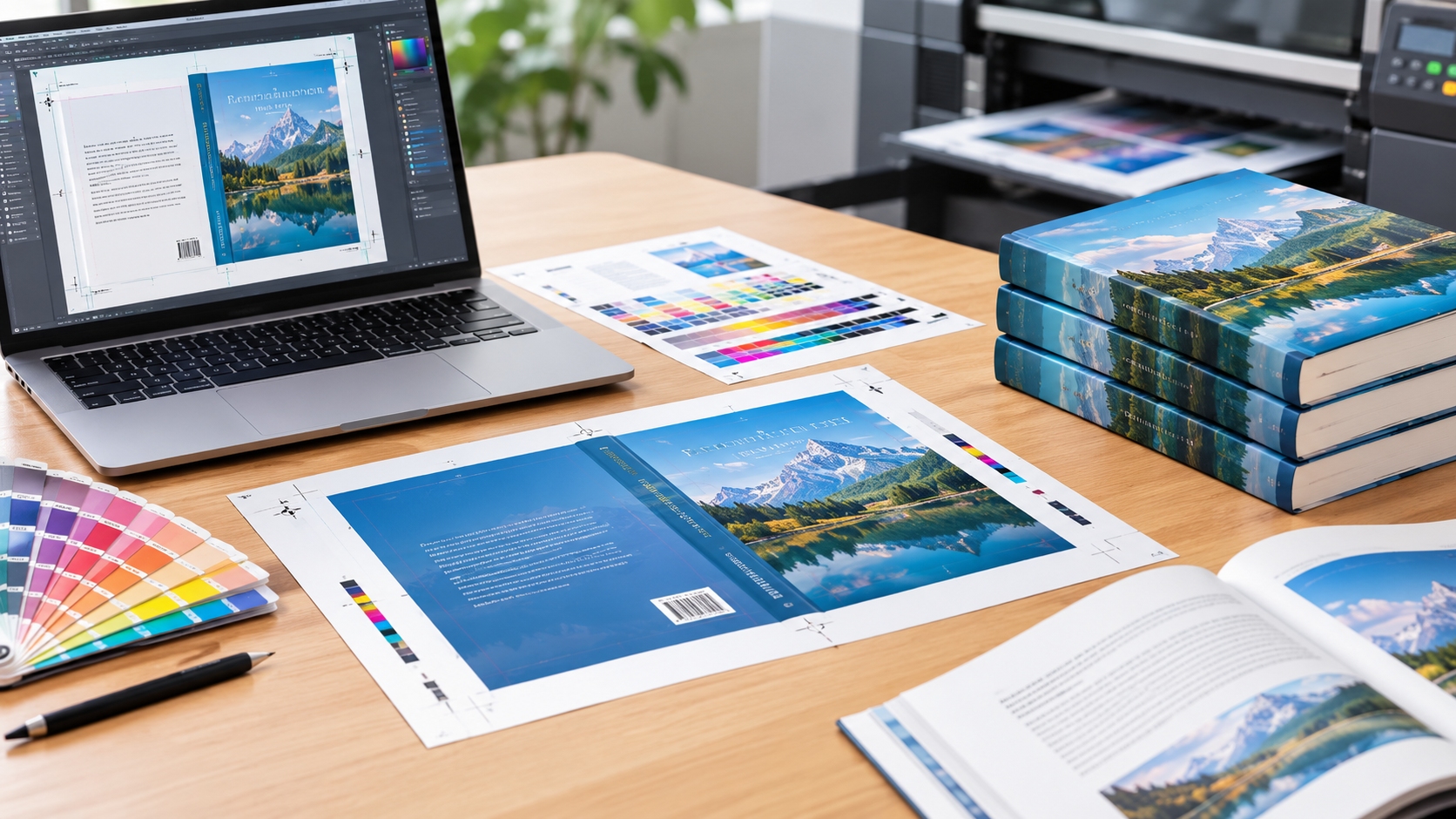

If they want to print custom guided journals in bulk, they should first decide on their sequence of prompts, paper and binding to suit the way people will write, and have a copy of their prompts printed as a full size sample for approval prior to printing. To get a quote, please provide the finished size, interior page count, print colors, cover requirements and quantity of the order. Include any extras (divider pages, ribbon markers, individual packaging etc.).
There are activities that a guided journal should have on each page. The reflection may be three lines long, a full page of notes, or a weekly check in that a customer can do in five minutes. The page count, layout and binding are all determined before choosing the cover finish.
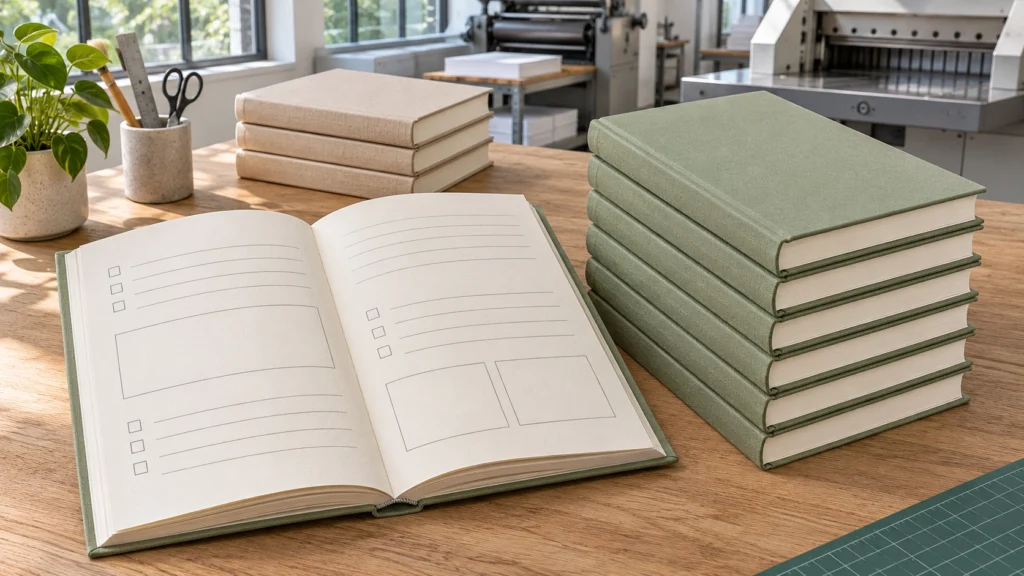
1. Map Out the Prompts Before Designing the Pages
Start with a page map. Record the opening instructions, regular reminders, check-ins and additional writing pages. Indicate the beginning of each part and indicate which pages are facing each other. If one prompt requires readers to revisit the answers on the next page, make sure that the answers are actually on a spread across the pages.
Let’s take a simple case. With 12 weeks x 2 pages per day, there are 168 pages just for the daily notes. Include a 2-page review each week and by the time you reach the introduction or the closing reflection, you will have reached 192 pages. That additional space may be worth it, but it will also impact the thickness and weight of the end product.
| Journal format | What to decide first | What to test |
|---|---|---|
| Daily reflection journal | Number of entries and writing space per prompt | Whether a typical answer fits comfortably |
| Weekly goal-setting journal | Where the planning and review pages sit | Whether readers can use both sides of the spread together |
| Course companion journal | Where exercises, notes, and dividers align with lessons | Whether participants can find the right section quickly |
| Undated wellness journal | How readers mark dates and resume after a break | Whether each entry makes sense on its own |
Print a few spreads at actual size and fill them out by hand. A tidy stack of five writing lines can look generous on screen. You’ll find out pretty quickly how much room you have when you try to answer the prompt yourself.
2. Choose Paper and Binding for the Writing Experience
Ask for paper samples and try them with the pens your customers are likely to use. A quick ballpoint test works for a training journal. For a premium retail edition, try gel and fountain pens as well. Look at both sides for ink penetration and show-through, then read the printed prompts under normal indoor lighting. Pale gray text and fine writing rules can be harder to see on paper than they are on a backlit screen.
Choose the binding around where and how people will write. A custom A5 spiral journal is a useful starting point for a journal that needs to stay open on a desk or fold back in a workshop. If separate sections include calendars, trackers, and longer reflections, a custom spiral planner notebook gives you a format to consider when planning frequent page turns and dividers.
For a gift edition, a custom PU leather notebook offers a different cover direction. Whichever cover you select, check writing access near the binding in the first, middle, and last sections of the sample. A prompt can be easy to read at the inner edge while leaving too little room for a hand and pen.
3. Prepare a Quote Brief That Covers the Finished Journal
Send the same specifications for each quantity you request. That makes it easier to see how the unit cost changes with volume. Ask the printer to identify any separate charges for samples, foil tooling, packaging, or freight so you can compare the full order cost.
| Specification | What to send |
|---|---|
| Finished size and quantity | Trim dimensions, orientation, and quantities you want priced |
| Interior | Page count, paper preference, black-only or color printing, and any special inserts |
| Binding | Preferred construction, opening requirements, and any dividers or pockets |
| Cover | Material, artwork, finish, and any foil stamping or embossing |
| Packing and delivery | Individual wrapping, retail boxes, carton labels, destination, and target delivery date |
If you’re still deciding between black-only and color interiors, get both options priced using the same layout and paper. Color can help readers spot a new section or distinguish one exercise from another. Pick a few representative pages and check whether it makes the journal easier to use before applying it throughout.
4. Check the Printed Sample Before Approving Bulk Production
Print interior and cover file following the printer’s format. Ensure there is no bleed, safe margins or cover dimensions prior to submitting the artwork to the printer. If the pdf is intended to be printed inside with blank pages, add pages inside to see how the sequence is supposed to be printed.
Check the PDF proof for missing prompts, wrong page order and layout errors. Test paper feel, writing space, color and opening behavior using the physical sample. When the sample is printed on any paper other than that used in the bulk run, ask what information it can accurately reflect.
Read the prompt and complete one full entry (from start to finish). Repeat near the end of the journal task. Finally, verify in writing the last version of the file, paper, binding and packaging. Please retain the approved sample for everyone to have a reference sample when they receive the bulk order.
Frequently Asked Questions
What paper weight should I sample for a guided journal?
Start by comparing 80–100 gsm writing stocks for an everyday journal. Test the same pens on each sample and check both sides. If your design has a high page count, compare the thickness of the finished samples as well.
Can I print different prompts on every page?
Yes. Supply the interior as a complete, ordered PDF. Check repeated layouts for accidental duplicate prompts, and make sure each exercise appears on the intended page or spread.
How many journals do I need to order in bulk?
Minimum order quantities depend on the printer and specifications. Request quotes at your expected launch quantity and the next volume you could realistically sell or distribute.
Can I use the same interior with different covers?
Ask the printer to quote each cover version and the quantity you need for it. Also specify how the versions should be packed and labeled, especially if they ship to the same warehouse.
Is a digital proof enough for a repeat order?
It can be enough to check artwork changes when you have an approved sample and the specifications stay the same. Request a fresh physical sample if the paper, binding, cover material, or page count changes.
Share on Social:


